I still remember the night I ruined three separate dinners in a row. First, the pasta water boiled over like Mount Vesuvius. Then the smoke alarm serenaded the dog while I frantically waved a dish towel. By the time the third attempt stuck to the pan so hard I considered chiseling it out, surrender felt like the only option. That was the moment my best friend texted, "Bet you can't make something healthy, creamy, ranch-flavored, and one-pan in under forty-five minutes." Challenge accepted. What came out of that chaotic kitchen was this Creamy Ranch Turkey Veggie Skillet, and it was so outrageously good—velvety sauce clinging to tender vegetables, juicy turkey, and that unmistakable ranch zing—that I stood over the skillet eating straight from the spatula. My friend walked in mid-bite, raised an eyebrow, and asked if I planned to share. Reader, the answer was no.
Most weeknight recipes play it safe, but this one flips the script. Picture everything you love about loaded baked potatoes, cozy stroganoff, and crisp-tender stir-fries, all married in a single pan. The sauce is luxurious without being heavy, the vegetables stay bright and snappy, and the ranch seasoning permeates every crevice so no bite is bland. If you've ever wished healthy comfort food wasn't an oxymoron, welcome home. And if you've ever stared into the fridge abyss wondering how to turn a pound of ground turkey and random produce into something your kids—or picky roommate—will inhale, consider this your culinary lifeline.
What makes this skillet legendary isn't just flavor, though flavor abounds. It's speed. It's pantry friendliness. It's the fact that the whole dish dirties exactly one large pan and maybe a cutting board if you're feeling tidy. You can serve it over rice, noodles, mashed potatoes, cauliflower rice, or straight from the skillet while standing at the counter in your pajamas. I won't judge; I've done all of the above. The recipe is engineered for real life: late work calls, hangry toddlers, empty fridges, and zero patience for complicated techniques. Yet it tastes like you spent the afternoon braising something fancy.
Stick with me, because I'm about to reveal the tiny tweaks that elevate this from "pretty good" to "why is this gone already?" You'll learn why frozen peas beat fresh here, how to keep zucchini from turning into mush, and the moment when you absolutely must stop stirring so the cream doesn't break. Let me walk you through every single step—by the end, you'll wonder how you ever made it any other way.
What Makes This Version Stand Out
Lightning Fast: From fridge to table in forty-five minutes flat, including chopping time. While the onions sizzle, you slice zucchini; while the turkey browns, you whisk the ranch. Multitasking is built right in, so dinner lands before the hangry monster appears.
Ranch Without the Bottle: Forget gloopy bottled dressing. A strategic mix of dry ranch seasoning, fresh garlic, and a kiss of cream delivers that herby tang in pure, concentrated form. Every vegetable is lacquered in flavor, not soggy or swimming.
One-Pan Wonder: Protein, vegetables, and sauce all happen in the same skillet. Translation: minimal dishes, maximum flavor layering. Those browned turkey bits stuck to the bottom? That's free fond that melts into the cream and catapults depth.
Color Explosion: Red bell pepper, orange carrots, green zucchini, emerald peas—this skillet looks like confetti. Kids (and adults who eat with their eyes first) dive in before you announce it's healthy.
Make-Ahead Magic: Tastes even better tomorrow. The ranch mingles overnight, vegetables soak up creamy goodness, and reheating is a thirty-second microwave stint or gentle stovetop warm-up. Meal prep heroes, rejoice.
Flexitarian Friendly: Swap ground chicken, beef, or plant-based crumbles. Lighten it with half-and-half, go dairy-free with coconut cream, or bulk it up with extra veggies. The blueprint adapts to whatever your household demands.
Restaurant Creaminess at Home: The sauce coats every piece like velvet but uses just enough cream to stay weeknight virtuous. The trick? A splash of broth and a quick reduction so flavors concentrate instead of dilute.
Inside the Ingredient List
The Flavor Base
Ground turkey is the canvas here, but not all packages are equal. Skip the anemic 99% fat-free stuff; it dries faster than August grass. Look for 93/7 or 92/8 lean-to-fat ratio for moisture without grease puddles. If turkey isn't your jam, ground chicken plays nice, and 90% lean beef brings steakhouse swagger. Vegetarian? Crumbled tempeh or a plant-based meat mimics texture while happily absorbing ranchy goodness.
Olive oil opens the show, but its real job is conducting heat so turkey browns instead of steams. Use a glug that thinly coats the pan bottom—too little and meat sticks; too much and dinner feels heavy. Avocado oil works if your smoke alarm is hypersensitive, but skip butter here; it burns before turkey fully cooks.
Ranch seasoning mix is the secret handshake. Buy a brand you like, or DIY with dried dill, parsley, chives, garlic and onion powders, salt, pepper, and a whisper of buttermilk powder. Either way, add it in two stages: first to season the meat, again to bloom in the cream. That double hit guarantees every molecule tastes like a backyard barbecue.
The Texture Crew
Bell peppers bring snap and candy-like sweetness. I mix red and yellow for color, but green works if you crave that 90s pizza-shop vibe. Slice them thin so they soften quickly yet keep a little backbone. Skip jarred roasted peppers; they're too wet and flirt with mushy disaster.
Zucchini is the moisture magician. It exudes just enough water to loosen the sauce without turning everything soupy. The trick is half-moons, not dinky dice—bigger pieces stay proud and don't vanish into the gravy. Salting and draining is overkill here; the skillet timing keeps them perky.
Carrots deliver earthy sweetness and a pop of orange. I shave them into ribbons with a vegetable peeler so they meld into the sauce while staying silky. Thick coins roll around like tires and refuse to cook evenly. If you're in a hurry, buy pre-shredded matchsticks and call it a day.
The Unexpected Star
Frozen peas are the sleeper hit. They thaw in the hot skillet within seconds, keeping bright color and candy-sweet pop. Fresh peas require shucking and blanching—ain't nobody got time—and canned peas taste like mushy pennies. Keep a bag in the freezer; you'll thank me at breakfast, lunch, and midnight snacks.
Red onion starts sharp but melts into gentle sweetness. Yellow onion works, but red's color streaks look gorgeous against the cream. Slice it pole-to-pole so the strands stay short; nobody wants a forkful of onion hammock.
The Final Flourish
Heavy cream is the silk scarf that drapes everything in luxury. You only need half a cup because we reduce it slightly, concentrating flavor and thickening naturally. Half-and-half works if you're counting calories, but don't attempt skim milk; it curdles and looks like dishwater. Plant-based? Use full-fat coconut milk and add a squeeze of lemon to mimic buttermilk tang.
Chicken broth loosens the sauce so it naps the vegetables, not glues them together. Reach for low-sodium; ranch seasoning already brings salt to the party. Vegetable broth keeps things vegetarian-friendly, while a splash of dry white wine adds restaurant mystique—just cook off the booze before adding cream.
Fresh parsley at the end is non-negotiable. It cuts richness with grassy brightness and makes colors pop like Instagram filter. Dried parsley tastes like dusty confetti—skip if fresh isn't available, but don't substitute.
Everything's prepped? Good. Let's get into the real action...
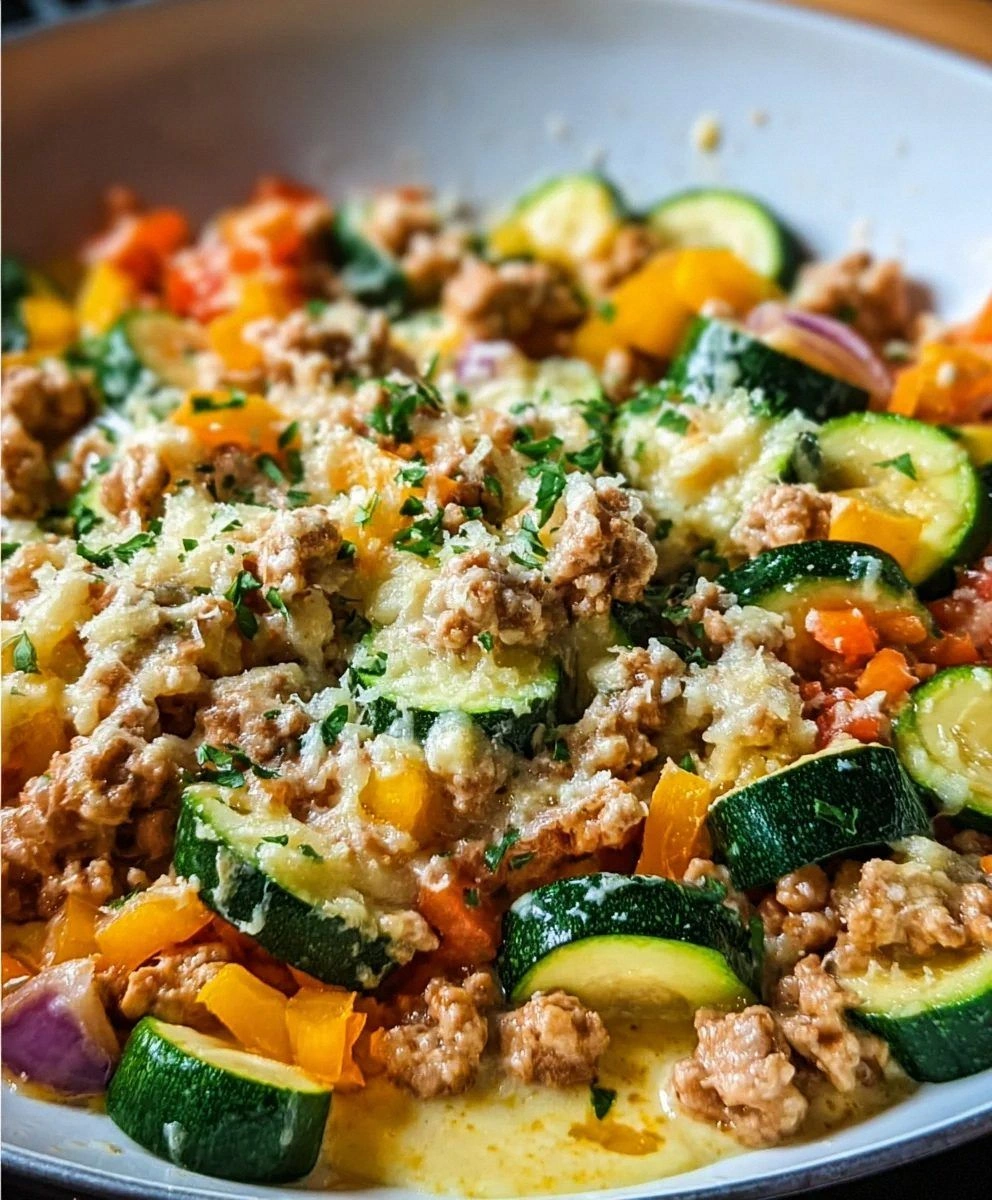
The Method — Step by Step
- Heat a 12-inch stainless or cast-iron skillet over medium for ninety seconds. You want it hot enough that a drop of water skitters like tap shoes, not splats. Swirl in two teaspoons of olive oil; it should shimmer immediately and race to the edges. Tilt the pan so oil coats every crater—this prevents turkey from fusing to the surface like barnacles.
- Add the ground turkey, but resist the urge to smash it flat. Use a wooden spatula to break it into hefty, walnut-sized chunks. Season with half the ranch mix, a half-teaspoon of salt, and several cracks of black pepper. Let it sit undisturbed for two full minutes; that's where the golden fond forms. When edges turn opaque, start flipping so the other side browns. Total cooking time is six to seven minutes; turkey should be mostly cooked but still faintly pink in spots.
- Scoot turkey to the perimeter, creating a central bullseye. Drizzle another teaspoon of oil into the bare spot and tumble in diced red onion plus minced garlic. Sauté just forty-five seconds—garlic burns faster than gossip spreads. When the aroma hits your nose like warm bread, fold everything together so turkey absorbs garlicky perfume.
- Now the vegetable parade. Add bell pepper strips and carrot ribbons. Stir for two minutes; they should glisten and start softening but still hold a perky snap. Listen for the sizzle pitch: you want lively pops, not lethargic hisses. If it sounds sleepy, bump heat a notch; if it's screaming, lower it.
- Time for zucchini half-moons. Spread them across the top like shingles, then resist stirring for one minute. This contact lets zucchini caramelize gently instead of releasing a tidal wave of water. After the bottom edges blush gold, fold everything together until vegetables look like confetti at a farmers' market parade.
- Pour in the chicken broth and scrape the bottom with your spatula's edge. Those brown bits dissolve into liquid gold, deepening sauce flavor. Let broth reduce by half—about two minutes—until it thickens to light syrup consistency. You'll know it's ready when a dragged path stays visible for a heartbeat before the liquid oozes back.
- Lower heat to medium-low. Add cream, remaining ranch seasoning, and frozen peas. Stir gently; peas will thaw in thirty seconds and turn jewel-green. Simmer for three minutes, just until sauce clings enough to coat the back of a spoon. If it looks gloppy, splash in another tablespoon of broth. Taste and adjust salt—remember, broth and seasoning already brought some to the party.
- Remove skillet from heat and let it rest for five minutes. I know, the aroma is torment, but this pause lets cream absorb into vegetables and prevents tongue-scorching tragedy. Scatter fresh parsley over the top, letting some leaves fall into the pan and some onto the rim for that rustic, I-woke-up-like-this vibe.
- Serve directly from the skillet at the table, or ladle over cooked pasta, rice, or cauliflower rice waiting in bowls below. Offer grated Parmesan or crushed red-pepper flakes on the side for rebels who crave extra kick.
That's it—you did it. But hold on, I've got a few more tricks that'll take this to another level...
Insider Tricks for Flawless Results
The Temperature Rule Nobody Follows
Most home cooks crank the burner to high for speed, but cream is temperamental. Anything above a gentle simmer causes fat to separate, leaving greasy freckles on your gorgeous sauce. Medium-low is your sweet spot after adding dairy. If you're nervous, keep a small bowl of ice water nearby; a teaspoon dunked into the sauce drops temp instantly and prevents curdling. A friend tried skipping this step once—let's just say it looked like cottage cheese had a bad day.
Why Your Nose Knows Best
Professional chefs judge doneness by aroma more than clocks. When garlic hits the pan, count slowly to thirty; when the smell turns from raw heat to nutty warmth, move on. Same with browning turkey: the moment you detect roasted chicken-wing perfume, start flipping. Trust those olfactory cues and you'll nail timing every time, even if your stove runs hot or cold.
The 5-Minute Rest That Changes Everything
Resting isn't optional vanity—it's built-in insurance. During those five off-heat minutes, starch from vegetables swells, cream thickens further, and flavors marry like they've been dating for years. Cutting the rest turns dinner into watery soup that slides off rice like a toddler on a slide. Set a timer, pour yourself a drink, and let chemistry finish the work.
Season in Layers, Not Showers
Sprinkling all your salt at the end creates a two-dimensional, surface-level taste. Instead, season turkey, then vegetables, then final sauce. Each layer absorbs just enough to amplify its own flavor, building complexity without over-salting. Think of it like dimming theater lights gradually rather than slamming the switch.
The Parsley Stem Secret
Don't discard parsley stems—mince them fine and add with garlic. They're packed with chlorophyll and herbal oils that boost freshness without extra cost. Save the delicate leaves for garnish so you get double mileage from one bunch. I've been doing this for years, and guests always ask why my skillet tastes brighter than theirs.
Creative Twists and Variations
This recipe is a playground. Here are some of my favorite ways to switch things up:
Southwest Fiesta Skillet
Trade ranch seasoning for taco spice, swap bell pepper for poblano, and stir in a cup of frozen corn. Finish with a squeeze of lime and a shower of pepper-jack cheese. Serve over cilantro-lime rice or scoop into warm tortillas for instant tacos. If you love smoky heat, add a diced chipotle in adobo.
Mushroom Lovers' Deluxe
Omit peas and double mushrooms—cremini, shiitake, or oyster all work. Let them brown deeply before adding cream; their umami doubles and sauce turns mahogany. A splash of soy sauce instead of salt gives mysterious depth. This version tastes like stroganoff's cooler cousin who studied abroad.
Buffalo Ranch Blast
Keep everything identical, but whisk two tablespoons of Buffalo wing sauce into the cream. The result is tangy-spicy with that orange glow that screams game-day. Top with crumbled blue cheese and serve alongside celery sticks for the full tavern experience without the sticky fingers.
Green Goddess Vibes
Replace parsley with a handful of fresh dill, tarragon, and chives blended into the cream before adding. It turns the sauce pastel-green and perfume-floral. Perfect for spring brunches and people who think ranch is too pedestrian. Add white beans for extra protein and creaminess.
Breakfast-for-Dinner Edition
Push finished skillet into a thin layer, crack four eggs on top, cover, and cook until whites set but yolks ooze. The cream sauce keeps eggs cloud-soft, and ranch plus runny yolk is basically liquid gold. Serve with buttered toast soldiers for dipping and call it the most luxurious shakshuka mash-up ever.
Coconut Curry Detour
Swap cream for full-fat coconut milk and ranch seasoning for yellow curry powder plus a teaspoon of fish sauce. Add sweet potato cubes with carrots and finish with Thai basil. You land somewhere between Indian korma and Thai jungle curry, all while still being weeknight easy.
Storing and Bringing It Back to Life
Fridge Storage
Cool leftovers to room temperature—no more than two hours on the counter—then ladle into airtight glass containers. The sauce stains plastic neon orange, so glass keeps things classy. Refrigerate up to four days, but flavor peaks at day two once herbs have fully mingled. Press plastic wrap directly onto the surface to prevent a skin from forming.
Freezer Friendly
Portion into freezer-safe bags, press out excess air, and freeze flat for up to three months. Thaw overnight in the fridge, not on the counter, to keep cream from separating. The vegetables will soften slightly after freezing, but flavors stay vibrant. Pro tip: freeze in muffin trays for single-serve pucks; pop two out for a quick lunch.
Best Reheating Method
Stovetop wins every time. Slide refrigerated skillet contents into a pan with a splash of broth or milk. Warm over medium-low, stirring gently, until just heated through. Microwave works in thirty-second bursts, stirring between, but avoid high power or cream breaks into oily specks. If sauce seems thick, loosen with a tablespoon of water and a squeeze of lemon for brightness revival.