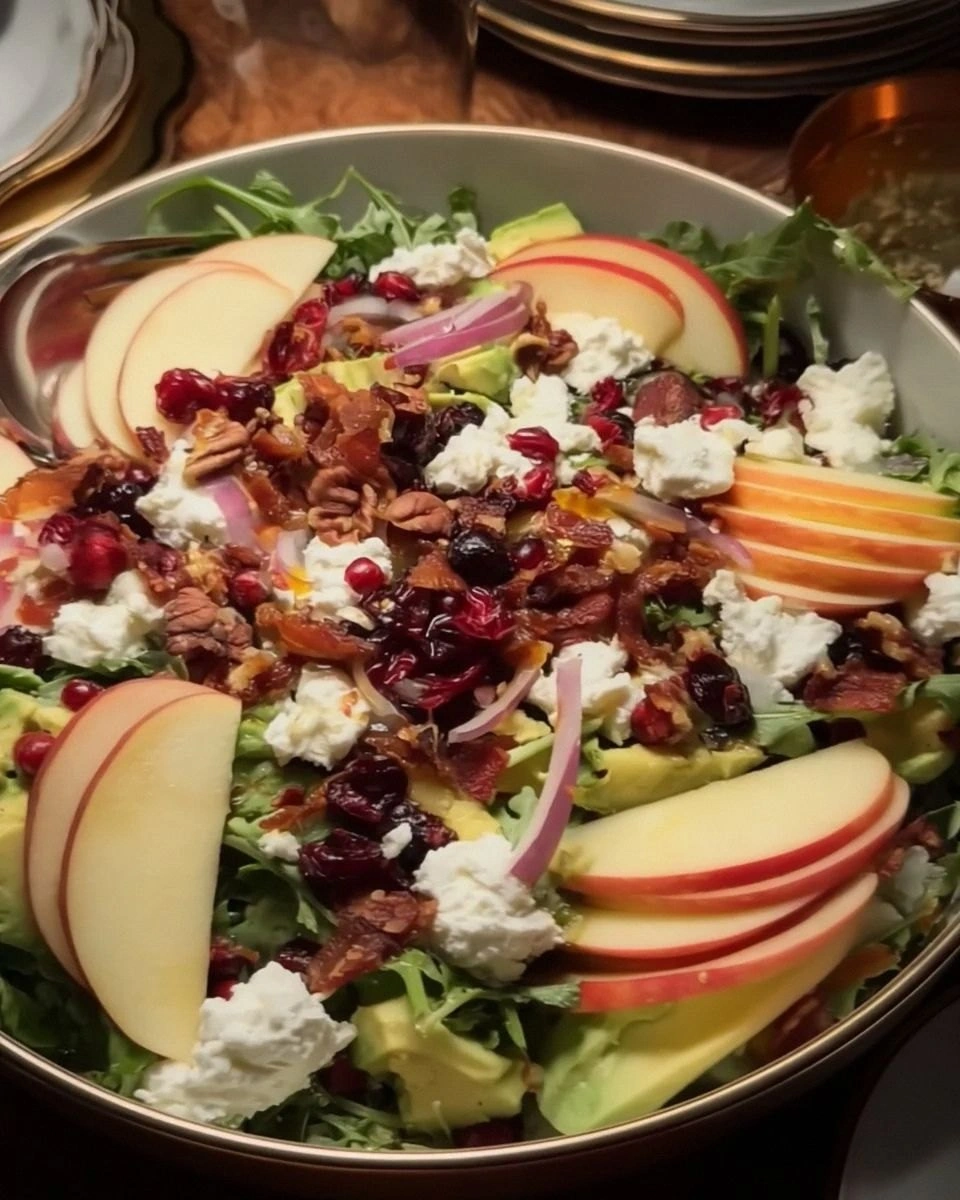
I still remember the day I ruined Thanksgiving. Well, not the whole day—just the salad course. I’d spent three days dry-brining the turkey, two days on pie, and approximately forty-five minutes slapping together a sad bowl of grocery-store greens with a few apple slices tossed on top like afterthoughts. My cousin took one bite, pushed the bowl away, and said, “This tastes like lawn clippings with a side of regret.” The table went quiet. Even the toddler dropped her crayon. I vowed, right then, to build a fall salad that could steal the show from the turkey. Fast-forward through a dozen test batches, a Honeycrisp bender that left my compost bin smelling like a cider house, and one near-miss incident involving caramel that glued a wooden spoon to my hair—this is the result. It’s autumn in a bowl: crisp shards of apple that snap like October twigs, feta that melts into tiny salty snowbanks, and a maple-mustard vinaigrette that tastes like someone distilled a flannel shirt and a campfire into liquid form. The first time I served it, my previously unimpressed cousin went back for thirds and whispered, “I didn’t even like salad until now.” Victory never tasted so leafy.
Picture this: the air outside smells like wet leaves and woodsmoke, your sweater sleeves are pushed up past your forearms, and your cutting board is a mosaic of ruby apples, emerald spinach, and amber squash cubes. You whisk together mustard and maple syrup and the scent is so nostalgic you half expect a marching band of trick-or-treaters to parade through your kitchen. That’s the vibe we’re chasing. This salad balances sweet, salty, tangy, and crunchy so precisely it could calibrate a scale. The apples stay crisp because of a quick citrus bath that would make a spa jealous. The feta gets a brief freeze so it crumbles into cool little pebbles instead of pasty clumps. And the roasted squash—oh, the squash—emerges from the oven with edges caramelized to the color of a sunset you swear you saw on a college road trip. If you’ve ever thought salad was a punishment food, I dare you to taste this and not go back for seconds. Actually, I double-dog dare you.
Most autumn salads dump everything in a bowl, toss, and pray. They get limp within minutes, the dressing pools at the bottom like a neglected pond, and someone always picks out the good stuff (looking at you, candied pecans) until only orphaned spinach remains. This version layers flavor and texture deliberately: warm squash against cold apples, creamy cheese against snappy seeds, silky vinaigrette against rugged greens. I’ll be honest—I ate half the batch before anyone else got to try it, standing at the counter in sock feet, fork in one hand, podcast blaring in the background, promising myself “just one more bite” until the bowl was embarrassingly empty. If that’s not a glowing endorsement, I don’t know what is.
Stay with me here—this is worth it. We’re going to roast squash low and slow so the natural sugars develop without burning. We’re going to massage kale like it owes us money, transforming it from bitter wallflower to silky belle of the ball. And we’re going to whisk up a dressing that uses mustard not just for heat but as an emulsifier so the oil and vinegar stay married longer than most celebrity couples. By the end, you’ll wonder how you ever settled for lawn-clipping salad. Let me walk you through every single step—by the end, you’ll wonder how you ever made it any other way.
What Makes This Version Stand Out
Apple Armor: A lightning-fast lemon bath prevents browning better than any “fruit fresh” powder, so your slices stay photo-ready from brunch to dinner. The citrus also amplifies the apple’s natural perfume—think of it as turning the volume up on a favorite song without distorting the melody.
Feta Freeze: Ten minutes in the freezer firms up the cheese so it crumbles into tidy snowflakes instead of smearing across the greens. You get these cool little bursts of salt instead of a chalky film, and the contrast against warm squash is pure magic.
Double Roast Squash: First at a gentle 325 °F to coax out sweetness, then a quick blast under the broiler for leopard-spot char. Most recipes pick one temperature and hope; we get both depth and flash, like a jazz solo followed by a drum drop.
Maple-Mustard Emulsion: The lecithin in Dijon grabs the maple syrup’s trace proteins and whips them into a velvety cloak that clings to every leaf. Translation: no puddle of shame at the bottom of the bowl.
Seed Brittle Bonus: Pepitas toast in the same pan as a whisper of maple sugar until they pop like sesame street popcorn. You end up with candied crunch that shatters like thin ice, not tooth-breaking rocks.
Make-Ahead Genius: Every component can live happily prepped in separate containers for up to three days. Morning-of, you just assemble and dazzle. Potluck hosts have called this their “secret weapon” for a reason.
Alright, let’s break down exactly what goes into this masterpiece...
Inside the Ingredient List
The Flavor Base
Honeycrisp apples are non-negotiable. Their cells snap apart with audible juice explosions, delivering a sweetness so clean it practically hums. Skip the mealy Red Delicious or the trendy but one-note Gala—this salad needs that shatter-crisp texture. If you absolutely must substitute, go with Pink Lady or SweeTango, but know you’re dating outside your league. Buy fruit that feels heavy for its size and has an unblemished blush stretching from stem to blossom end; those are sugar highways.
Butternut squash brings the cozy. I peel, cube, and roast it until the edges caramelize into dark amber, tasting faintly of toasted marshmallow. The natural sugars concentrate and the interior turns custardy, creating a hot-cold contrast against the chilled apples. You could swap in kabocha or acorn, but butternut’s long neck yields uniform cubes that roast evenly—no half-mush, half-raw situation.
The Texture Crew
Lacinato kale (a.k.a. dinosaur kale) is the rugged green that refuses to wilt. Its long, bumpy leaves look like they should taste like cardboard, but after a two-minute rubdown with a pinch of salt they relax into silky ribbons that hold dressing like velvet. Curly kale works too, yet lacinato has a milder, almost nutty flavor that plays nicely with sweet elements. Remove the woody stems or you’ll be chewing like a cow on cud.
Pepitas (hulled pumpkin seeds) are protein-packed crunch bombs. When toasted with a drizzle of maple syrup and a pinch of cayenne, they morph into candied confetti with a gentle kick. Watch them like a hawk—they go from golden to bitter charcoal faster than you can say “pumpkin spice.”
The Unexpected Star
Feta in brine, not the pre-crumbled plastic tub. Brine keeps the cheese moist and tangy; the dry stuff tastes like sidewalk chalk that gave up on its dreams. A brief freeze firms the block so you can crumble it into pebble-sized nuggets that scatter evenly instead of clumping like awkward middle-schoolers at a dance.
Pomegranate arils are the edible glitter that make everyone feel fancy. They pop between teeth, releasing tart juice that cuts through rich cheese and earthy squash. Buy a whole pomegranate, not the overpriced plastic cups; the seeds stay plumper and you get the therapeutic joy of whacking the heck out of it with a wooden spoon.
The Final Flourish
Extra-virgin olive oil needs to be peppery and green—taste it straight; if it makes you cough, that’s the polyphenols cheering. A mild oil disappears under the maple; a cheap one turns bitter when whisked with acid. I reach for a grassy Arbequina or a spicy Koroneiki that can stand up to the sweet-tart dressing.
Pure maple syrup (Grade A Amber) delivers rounded sweetness with hints of vanilla and caramel. Avoid pancake syrup, which is basically corn syrup wearing a fake mustache. If you’re in a pinch, honey works, but maple whispers “autumn” in a way bees can’t.
Everything’s prepped? Good. Let’s get into the real action...
The Method — Step by Step
- Preheat your oven to 325 °F (160 °C). Line a rimmed baking sheet with parchment paper; the rim prevents rogue squash cubes from staging an escape. In a bowl, toss 4 cups of peeled, ¾-inch butternut cubes with 1 tablespoon olive oil, ½ teaspoon kosher salt, and ¼ teaspoon freshly ground black pepper until every cube glistens like it’s heading to a disco. Spread in a single layer—crowding equals steaming, and we want roasting. Slide onto the middle rack and set a timer for 20 minutes; this gentle heat coaxes out sweetness without scorching the edges.
- While the squash roasts, prep your apples. Fill a medium bowl with cold water and squeeze in the juice of half a lemon, then drop the spent lemon in too (waste not, want not). Core and slice 2 large Honeycrisp apples into ¼-inch half-moons, dropping each slice straight into the bath. The acid forms an invisible force field against browning enzymes, buying you hours of photo-worthy brightness. If you hear a faint sizzle when the first slice hits, that’s the citric acid giving a standing ovation.
- Make the maple-mustard vinaigrette. In a jam jar, combine 3 tablespoons maple syrup, 2 tablespoons Dijon mustard, 2 tablespoons apple-cider vinegar, ½ teaspoon kosher salt, and a few grinds of pepper. Screw the lid on tight and shake like you’re trying to win a carnival game; the mustard acts as an emulsifier, marrying oil and vinegar into a glossy sauce. Let it rest while you continue; the flavors meld and the sharp edge of vinegar mellows into something you’d happily sip by the spoonful.
- Back to the squash—after 20 minutes, remove the sheet, give it a quick shake for even coloring, and return to the oven. Crank the heat to broil (high) for 3–4 minutes. Keep the door cracked and watch closely; you’re hunting for dark caramel freckles, not charcoal briquettes. The sugars bubble, the edges blister, and your kitchen smells like a donut shop that decided to go Paleo. Remove and let cool slightly; warm squash against cool apples is the textural yin-yang we crave.
- Toast the pepitas. In a dry skillet over medium heat, add ½ cup raw pepitas and shake the pan every 30 seconds until they start to pop like sesame seeds on Red Bull. Drizzle 1 teaspoon maple syrup and a pinch of cayenne over the seeds, toss quickly, and transfer to a plate; they’ll crisp as they cool. The syrup lacquers them in a thin, crackly shell that shatters between teeth, giving you candy without the dental guilt.
- Massage the kale. Strip the leaves from 1 large bunch of lacinato kale, discard the woody stems, and tear the greens into bite-sized pieces. Sprinkle with ½ teaspoon kosher salt and a tablespoon of olive oil, then knead like bread dough for 90 seconds. The fibers relax, color deepens, and volume shrinks by half. Taste a piece—it should feel silky, not like chewing on a backyard fence.
- Crumble the feta. Pop the block into the freezer for 10 minutes while you finish other tasks. Once firm, hold it over the salad bowl and use a fork to scrape off irregular crumbles that tumble like tiny icebergs. The chill prevents smearing, so you get distinct salty pockets instead of a pasty coating that dulls every other flavor.
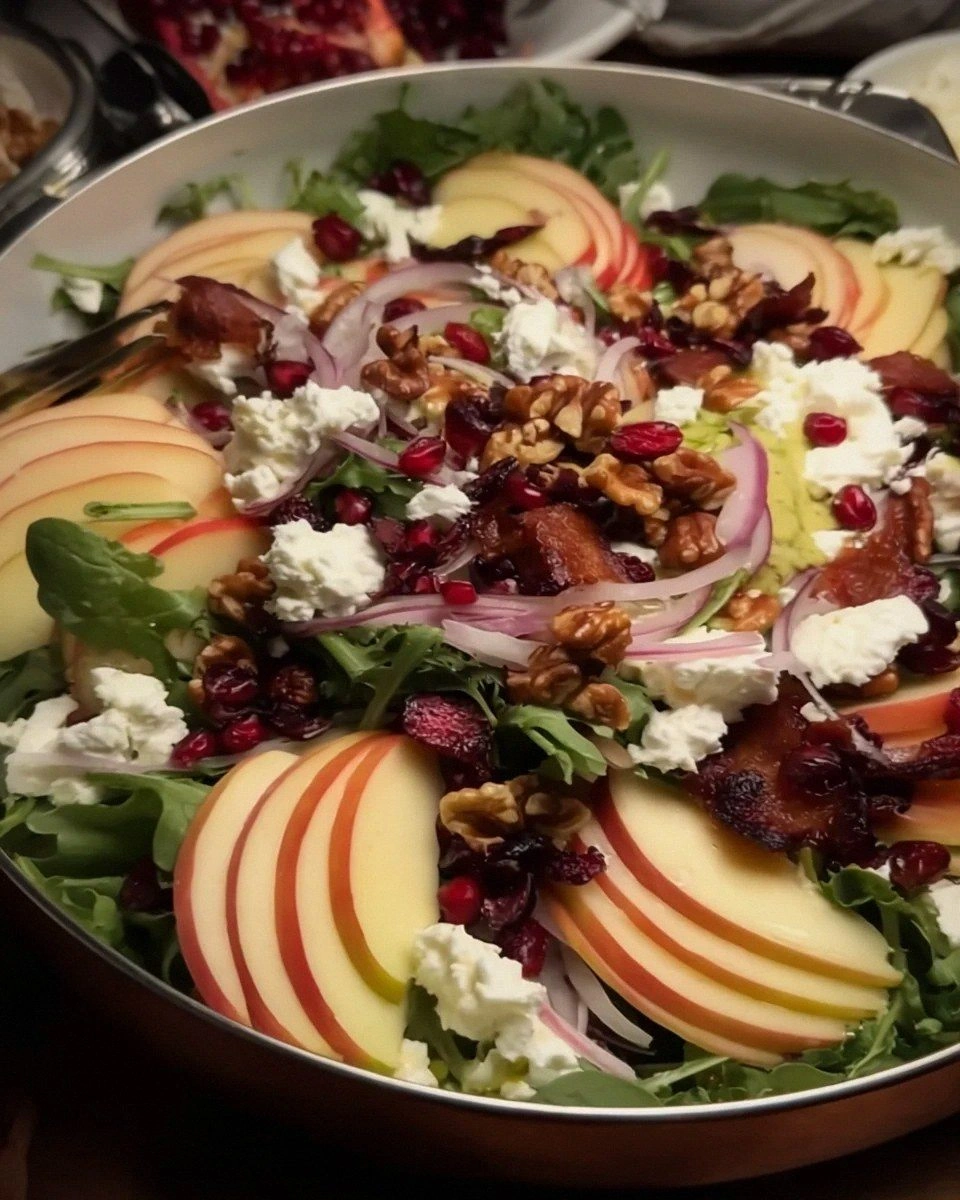
- Assemble. In your largest bowl, layer the massaged kale, roasted squash, drained apple slices, and half the pepitas. Drizzle with two-thirds of the dressing, toss gently with your hands (they’re your best tools), then add the feta and remaining pepitas on top. Reserve the final splash of dressing for the table; people love the drama of a last-second glossy drizzle. Serve immediately, preferably in shallow bowls that show off the Technicolor medley.
- Finish with flair. Scatter a handful of pomegranate arils over the top so they catch the light like tiny rubies. The tart pop is the exclamation point at the end of a well-crafted sentence. Stand back and watch faces light up; even salad skeptics will spear seconds before the main course hits the table.
That’s it—you did it. But hold on, I’ve got a few more tricks that’ll take this to another level...
Insider Tricks for Flawless Results
The Temperature Rule Nobody Follows
Roast the squash at 325 °F first, then blast under the broiler—never the reverse. Starting hot burns the exterior before the interior turns tender, leaving you with raw cubes wearing charcoal jackets. The low-temp phase breaks down cell walls, converting starches to sugars; the broiler delivers the Instagram-worthy spots. A friend tried skipping the gentle roast once and served squash that could chip a molar. Don’t be that friend.
Why Your Nose Knows Best
When toasting pepitas, rely on aroma more than color. They’re done when you smell warm, nutty popcorn—about 30 seconds before they darken. Seeds carry on cooking from residual heat; pull them early and let carry-over finish the job. If you wait for deep golden, you’ll taste acrid bitterness that no amount of maple can hide.
The 5-Minute Rest That Changes Everything
After massaging kale, let it sit covered at room temp for five minutes. The salt continues breaking down fibers, turning the leaves almost buttery. I discovered this by accident when my toddler demanded urgent help finding a LEGO; upon return, the kale had transformed from rugged to red-carpet ready. Now I build that pause into the workflow like a mandatory coffee break for greens.
Brine > Crumbles
Buy feta packed in brine and store any leftovers submerged in the same liquid. The salt solution prevents drying, so the cheese stays creamy and tangy for weeks. Dry, pre-crumbled feta is basically salty sawdust—convenient but soulless. Once you taste the brined version, you’ll join me in preaching the gospel of dairy baths.
Dressing Ratio for Dummies
Remember 3-2-1: 3 parts oil, 2 parts acid, 1 part emulsifier (mustard, honey, miso, etc.). For this salad that’s 6 tablespoons oil, 4 tablespoons vinegar, 2 tablespoons mustard. Memorize the ratio and you’ll never again serve a greasy puddle or a mouth-puckering acid bomb. My college roommate still texts me every Thanksgiving: “3-2-1 saved my life again.”
Creative Twists and Variations
This recipe is a playground. Here are some of my favorite ways to switch things up:
Pear & Blue Cheese Rodeo
Swap Honeycrisp for ripe red pears and feta for crumbled blue cheese. Add candied walnuts and a hit of hot honey in the dressing. The pears melt like perfumed butter while the blue brings funky depth that makes guests close their eyes and sigh.
Roasted Beet Velvet
Replace squash with roasted golden beets sliced into thin half-moons. They stain the kale sunset-orange and add earthy sweetness that plays beautifully with citrusy dressing. Wear gloves or you’ll look like you fought a marker set—and lost.
Crispy Chickpea Crunch
Skip pepitas and toss a can of drained chickpeas with smoked paprika, oil, and salt. Roast at 400 °F until crunchy, about 25 minutes. They turn into protein-packed croutons that vegans and carnivores fight over like the last slice of pizza.
Bacon & Bourbon Maple
Render 4 strips of bacon until crisp; reserve the fat. Whisk 1 tablespoon bourbon and 1 teaspoon maple syrup into the warm fat, then drizzle over the salad. Top with chopped bacon and prepare for applause so loud the neighbors wonder what you’re cooking. (A friend tried this and reported her husband proposed marriage for the second time.)
Grain Bowl Glow-Up
Fold in 2 cups of warm farro or wild rice to turn side salad into a filling main. The grains sop up dressing like edible sponges, stretching the recipe to feed a crowd without extra squash. Add a soft-boiled egg and you’ve got brunch that rivals any café.
Citrus Sunshine Swap
Sub blood-orange segments for apples and swap apple-cider vinegar for white balsamic. The ruby citrus bleeds into the dressing, turning it a dreamy blush pink that looks like summer sunset sneaking into fall. Serve on a gray day and watch moods lift faster than caffeine.
Storing and Bringing It Back to Life
Fridge Storage
Keep each component in separate airtight containers: kale in a zip-top bag with a paper towel to absorb moisture, squash in a shallow glass dish, apples in their lemon bath, feta submerged in brine, pepitas in a dry jar, dressing in a jam jar. Stored this way, everything stays bright for up to 4 days. Assemble just before serving for maximum crunch and color.
Freezer Friendly
Roasted squash freezes beautifully: spread cubes on a tray, freeze until solid, then bag. Thaw overnight in the fridge or 30 seconds in the microwave. Pepitas also freeze well; cool completely, then store in a sealed jar for up to 2 months. Do not freeze apples or dressed kale unless you enjoy sad, mushy science experiments.
Best Reheating Method
If you must reheat squash, spread it on a hot skillet for 2 minutes instead of microwaving. The direct heat revives caramelized edges and drives off excess moisture. For leftover dressed salad, revive wilted kale with a splash of cold water and a pinch of salt, then massage gently. Add a few fresh apple slices and a quick drizzle of dressing to perk everything back up.