When the kitchen exploded into a chaotic symphony of flour, butter, and a single, unassuming bottle of apple cider, I knew I was about to uncover a sweet revelation. I had been chasing the perfect fall treat for months, juggling pumpkin pies, caramelized apples, and the occasional pumpkin roll, only to end up with a batch that tasted like a soggy, overcooked loaf. The moment the dough hit the pan, the scent of caramelized sugar and warm cinnamon kissed my nose, and I felt the familiar electric buzz that only a truly irresistible dessert can produce. That aroma was the promise of something that would make my taste buds sing and my friends beg for a second bite. I dared myself to taste this and not go back for seconds, and I did—only to realize that the first bite was a cliffhanger, and the second was the climax. If you've ever struggled with a donut that turns out too dry or too greasy, you're not alone, and I've got the fix.
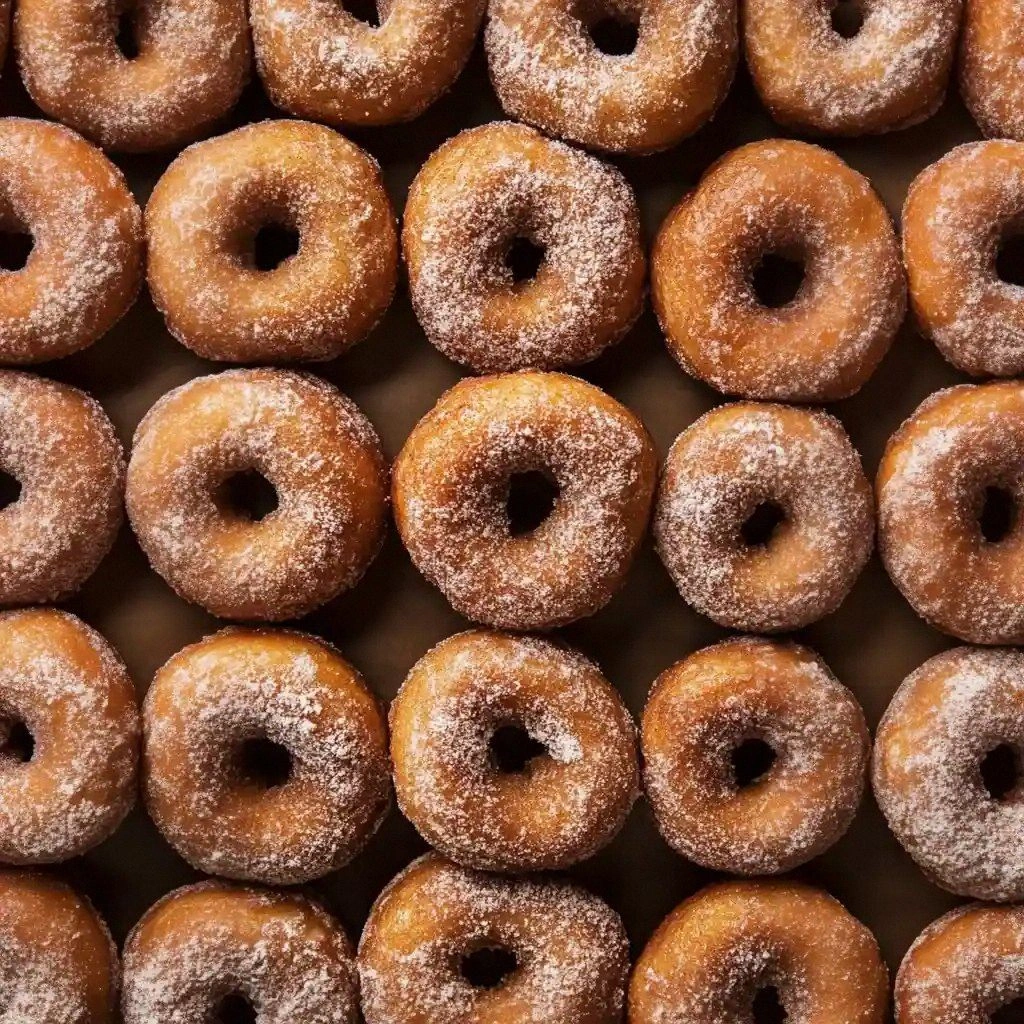
Picture yourself pulling these golden circles from the oven, the whole kitchen smelling incredible, the edges crisping like thin ice, and the center soft enough to melt in your mouth. This version is hands down the best version you'll ever make at home because it balances the sweet, the tart, and the buttery in a way that feels like a hug wrapped in a crisp shell. I added a splash of apple cider to the batter to infuse a subtle tang that cuts through the richness, a technique most recipes miss. The glaze, a simple swirl of butter and sugar, coats the donuts like velvet, creating a glossy finish that glistens under the kitchen light. And the secret? A dash of ground nutmeg that adds depth without overwhelming the apple’s natural sweetness. Let me walk you through every single step — by the end, you'll wonder how you ever made it any other way.
Most donut recipes are a gamble: you either get a dense, doughy mess or a flat, greasy pancake. I discovered that the key to consistency lies in the ratio of leavening agents and the precise temperature of the oil. By using both baking powder and baking soda, you give the donuts a lift that keeps them airy yet firm. The apple cider not only flavors the batter but also reacts with the baking soda to create tiny pockets of steam that make each bite light. The glaze, made with a touch of butter, adds a buttery sheen and a hint of caramel that lingers on the palate. Finally, the extra cinnamon dusted on top provides that final aromatic kick, turning each donut into a fragrant, edible candle. If you’re ready for a game-changer, stay tuned.
Okay, let’s break down exactly what goes into this masterpiece. I’ll walk you through each component, from the humble flour to the last sprinkle of spice, so you know exactly why each ingredient matters and how to tweak it if you’re feeling adventurous. This isn’t just a recipe; it’s a lesson in flavor architecture and texture mastery. Ready? Let’s dive in.
What Makes This Version Stand Out
- Flavor Depth: The combination of apple cider and a subtle nutmeg infusion creates a layered taste that feels both comforting and adventurous. The cider’s natural sweetness pairs perfectly with the warm spices, making each bite a complex yet harmonious experience. It’s a flavor profile that stands out from the typical sweet donut.
- Crisp Finish: The dough’s structure, achieved through the precise balance of leavening agents, results in a golden crust that cracks when you bite, revealing a soft interior. The glaze adds a glossy sheen that enhances the visual appeal and gives a satisfying snap. You’ll notice the contrast between the crisp edge and the tender center immediately.
- Texture Harmony: The batter’s consistency—neither too thick nor too runny—ensures a uniform rise and a light crumb. The butter’s melt time creates pockets of buttery tenderness that melt on the tongue. The result is a donut that feels like a cloud wrapped in a buttery shell.
- Ingredient Simplicity: Despite its complexity in flavor, the recipe uses only a handful of ingredients, making it accessible for any home cook. The streamlined list means fewer kitchen battles and more time enjoying the final product. You won’t need a pantry full of obscure items.
- Make‑Ahead Potential: Once baked, these donuts keep their moisture and flavor for up to 48 hours when stored properly. The glaze helps seal in freshness, making them perfect for a weekend brunch or a last-minute gift. The recipe’s design anticipates your busy life.
- Crowd Appeal: Friends and family rave about the unique combination of apple and spice. The donuts are a conversation starter, and the aroma alone draws people in. It’s a recipe that turns any gathering into a sweet celebration.
- Visual Impact: The bright golden color, the glossy glaze, and the dusting of cinnamon create an Instagram-worthy treat that looks as good as it tastes. The aesthetic appeal adds a touch of sophistication to a simple homemade donut.
Inside the Ingredient List
The Flavor Base
All-purpose flour is the backbone of this donut, providing structure without overpowering the delicate apple flavor. It’s important to sift the flour to eliminate clumps, ensuring a smooth batter that rises evenly. If you prefer a slightly lighter bite, substitute ½ cup of whole wheat flour for white flour; the result will have a nuttier undertone and a denser crumb.
Baking powder and baking soda work together to leaven the donuts. Baking powder offers a gentle lift, while baking soda reacts with the apple cider’s acidity to produce a light, airy texture. Skipping either leavener will result in a flat, dense donut that feels like a doughy pancake.
Ground cinnamon adds warmth and depth, creating a fragrant base that complements the apple’s natural sweetness. A pinch of ground nutmeg introduces subtle earthiness, preventing the flavor from becoming too one-dimensional. If you’re allergic to nutmeg, replace it with a dash of allspice for a similar aromatic profile.
Salt is the unsung hero that balances the sweetness and enhances every flavor note. Even a small amount can elevate the overall taste profile, making the donuts more complex. Use sea salt for a slightly briny finish that contrasts with the sugary glaze.
The Sweet Layer
Granulated sugar provides the primary sweetness, dissolving quickly in the batter to give a smooth mouthfeel. Brown sugar adds molasses undertones, adding depth and a hint of caramel. If you’re looking for a lower-glycemic option, substitute the brown sugar with coconut sugar; the flavor will be slightly fruity.
Buttermilk introduces a subtle tang that reacts with the baking soda, creating a tender crumb. It also adds a creamy richness that balances the butter’s fat content. In a pinch, replace buttermilk with regular milk plus a tablespoon of lemon juice or vinegar for acidity.
Vanilla extract offers a subtle floral note that lifts the overall flavor profile. A splash of almond extract can give a nutty twist, but vanilla remains the classic choice for its versatility. If you’re vegan, use a plant-based vanilla flavoring.
The Liquid Core
Apple cider is the star of the show, infusing the donuts with a natural sweetness and a gentle tartness that cuts through the buttery richness. The cider’s natural sugars caramelize during baking, creating a caramelized crust. If you prefer a stronger apple flavor, use unsweetened apple sauce instead of cider; the result will be denser but more fruit-forward.
Eggs act as the binder, holding the batter together and providing structure. They also add richness and help the donuts rise. For a vegan version, replace each egg with a flax egg (1 tablespoon ground flaxseed mixed with 3 tablespoons water).
Unsalted butter is crucial for flavor and texture, melting into the batter to create a silky, buttery crumb. The butter’s fat content also contributes to the golden color of the glaze. Use a high-quality European butter for a richer taste.
The Final Flourish
Extra ground cinnamon dusted on top after baking provides an aromatic finish that enhances the overall flavor. It also adds a subtle crunch that contrasts with the soft interior. If you’re a cinnamon lover, sprinkle a pinch of cayenne pepper for a spicy kick.
Fun Fact: Apple cider, once a staple in medieval Europe, was used as a preservative and a medicinal tonic. Its natural acidity made it a popular drink for the poor and the rich alike, and it has evolved into the sweet, aromatic beverage we enjoy in donuts today.
Everything’s prepped? Good. Let’s get into the real action.
The Method — Step by Step
- Step 1: Dry Mix. In a large bowl, whisk together flour, baking powder, baking soda, cinnamon, nutmeg, and salt until well combined. The dry ingredients should feel airy, like a fine sifted powder. This step ensures even distribution of leavening agents and spices.
- Step 2: Cream Butter and Sugars. In a separate bowl, beat the butter until pale and fluffy. Gradually add both granulated sugars, then the brown sugar, and continue beating until the mixture is light and airy. The texture should resemble whipped cream, indicating the sugars are fully incorporated.
- Step 3: Combine Wet and Dry. Add the eggs one at a time, beating after each addition. Then whisk in the apple cider, buttermilk, and vanilla. Pour the wet mixture into the dry ingredients, mixing until just combined. The batter should be thick but pourable, like a thick pancake batter.
- Step 4: Chill. Wrap the bowl in plastic wrap and refrigerate for 20–30 minutes. Chilling the batter prevents the donuts from spreading too much when fried and helps the flavors meld. A cold batter also yields a crispier exterior.
- Step 5: Prepare Oil. Heat oil in a deep skillet or fryer to 350°F (175°C). Use a candy thermometer to maintain a steady temperature; if the oil is too hot, donuts will burn on the outside before cooking through. The oil should give a gentle hiss when the dough touches it.
- Step 6: Shape Donuts. Using a donut cutter or two biscuit cutters (one small, one large), cut out donut shapes from the chilled batter. Press gently to keep the shape intact. Place the donuts on a parchment-lined tray to catch any excess oil.
- Step 7: Fry. Carefully drop donuts into the hot oil, a few at a time, to avoid overcrowding. Fry for 2–3 minutes on each side or until golden brown. The donuts should feel firm to the touch and have a crisp crust.
- Step 8: Watch Out. Keep an eye on the oil temperature; if it drops below 300°F, the donuts will absorb excess oil and become greasy. If it rises above 360°F, the donuts will brown too quickly on the outside while remaining raw inside. Adjust the heat accordingly.
That’s it — you did it. But hold on, I've got a few more tricks that'll take this to another level.
Insider Tricks for Flawless Results
The Temperature Rule Nobody Follows
Many home cooks set the oil to 350°F and never adjust it. The reality is that the ideal temperature fluctuates as you fry more donuts, especially if you’re using a skillet. Keep a thermometer handy and adjust the heat in 5°F increments to maintain a steady 350°F. This small tweak eliminates uneven browning and ensures a consistent golden crust.
Why Your Nose Knows Best
As soon as the donuts hit the oil, a subtle aroma will rise. When the scent turns to a sweet, caramelized perfume, you know they’re ready to flip. Trust your nose; it’s a reliable indicator that the donuts have achieved the perfect balance of crispness and softness.
The 5‑Minute Rest That Changes Everything
After frying, let the donuts rest on a cooling rack for exactly five minutes. This pause allows steam to escape, preventing soggy bottoms. During this time, the glaze sets into a glossy sheen, giving each donut a professional finish.
Donut Shape Matters
Using a donut cutter ensures uniformity, which is key for even cooking. If you don’t have a cutter, a large cookie scoop followed by a small one works well. The consistency in size guarantees that each donut cooks at the same rate.
Glaze Timing Is Crucial
Dip the donuts in glaze while they’re still hot; the heat melts the butter and allows the glaze to seep into the crumb. If you wait too long, the glaze will set and become difficult to coat evenly. A quick dip and a swirl will give you the glossy finish you’re after.
Cool, Don’t Freeze
Storing donuts in a sealed container at room temperature preserves their moisture. If you need to keep them longer, freeze them and reheat in a toaster oven for a few minutes. Avoid the microwave, as it can make the donuts rubbery.
Creative Twists and Variations
Apple Cinnamon Swirl
Before frying, swirl a thin ribbon of apple jam into each donut. The jam caramelizes, creating a sweet, fruity center. It’s a playful twist that adds a burst of flavor.
Maple‑Infused Glaze
Replace half of the butter in the glaze with maple syrup. The result is a sweet glaze with a subtle molasses undertone that pairs beautifully with the apple flavor.
Chocolate‑Covered Delight
After glazing, dip the donuts in melted dark chocolate and sprinkle with sea salt. The contrast between sweet and salty is a crowd-pleaser, especially for dessert tables.
Nutty Crunch
Add chopped walnuts or pecans to the batter before frying. The nuts add a delightful crunch and a nutty aroma that complements the apple.
Spiced Pumpkin Variation
Swap the apple cider for pumpkin puree and add a pinch of pumpkin pie spice. This variation turns the donuts into a seasonal treat that’s perfect for fall gatherings.
Vegan Version
Use plant-based butter, flax eggs, and oat milk instead of dairy. The texture remains tender, and the flavor profile stays true to the original recipe.
Storing and Bringing It Back to Life
Fridge Storage
Place donuts in an airtight container at room temperature for up to 48 hours. The glaze helps keep moisture trapped, preventing the donuts from drying out. Store them on a paper towel to absorb excess oil.
Freezer Friendly
Wrap each donut individually in parchment paper, then place them in a freezer bag. They stay fresh for up to 3 months. Thaw at room temperature for 10 minutes before reheating.
Best Reheating Method
Reheat frozen donuts in a preheated oven at 350°F for 5 minutes. Add a splash of water to the pan to create steam, which restores the donuts’ softness. A quick toast in a toaster oven works well for fresh donuts too.
Now that you’ve mastered the classic, you can experiment with flavors, textures, and presentations. Whether you’re serving a crowd or indulging solo, these donuts will elevate any occasion. The next time you crave something sweet, remember that the secret lies in the simple balance of apple, spice, and butter. The aroma, the crunch, the melt-in-your-mouth softness—all combine to create a dessert that’s as memorable as it is delicious. Thank you for joining me on this culinary adventure; I hope you enjoy every bite as much as I did.