I still remember that night when I was scrambling to salvage a dinner that had gone from a simple pasta to a culinary catastrophe. I had tossed a pot of al dente spaghetti into a bowl, only to discover it was still fighting for its life in the water. The sauce I’d whipped up from a handful of canned tomatoes had turned into a chunky, uncooperative mess that clung to the noodles like a bad habit. I stared at the stove, feeling the sting of embarrassment that only a kitchen disaster can bring, and then I thought, “What if I could turn this mess into a silky, green masterpiece?” That thought turned into a dare: I dared myself—and anyone who’d taste it—to not go back for seconds.
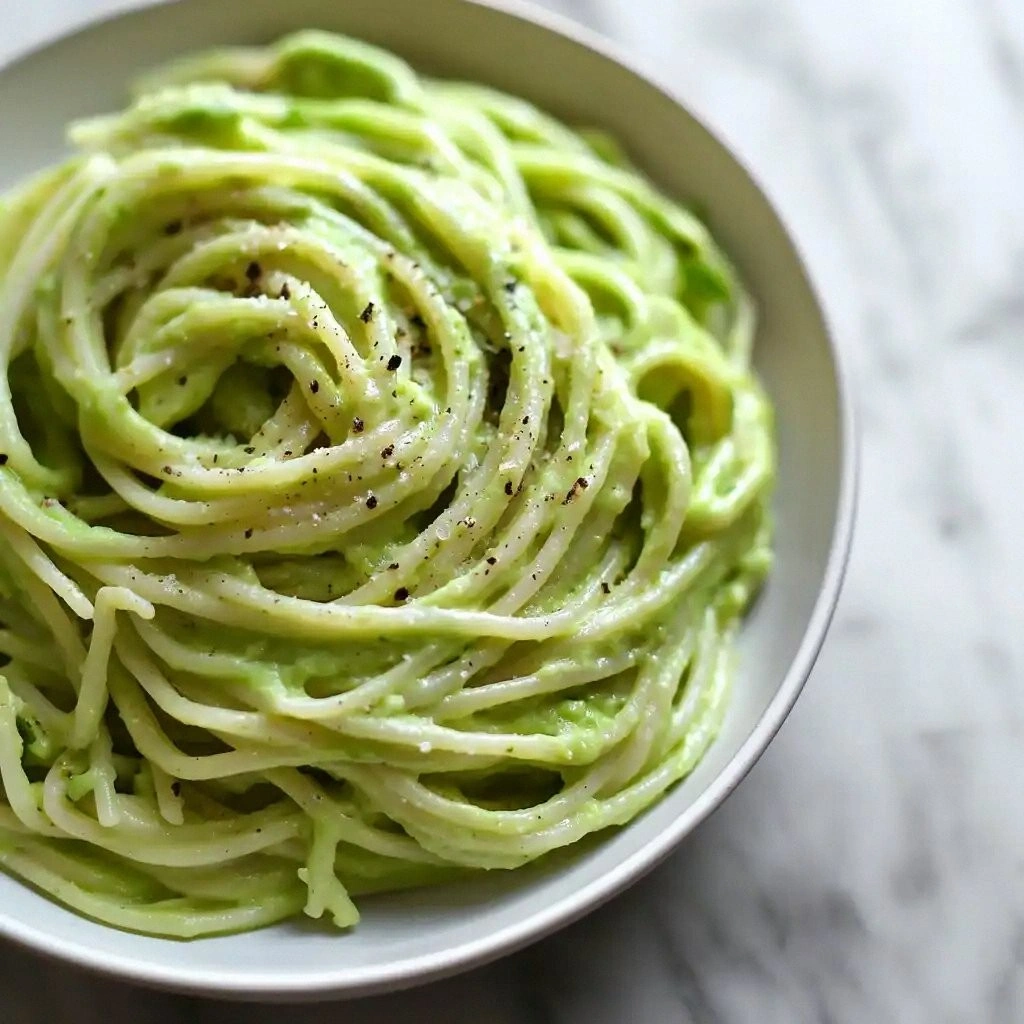
Picture the scene: a bright, sunlit kitchen, the air thick with the aroma of ripe avocado, fresh basil, and a splash of lemon that cuts through the heaviness of the pasta. The sound of the pot bubbling, the gentle hiss of garlic sautéing in olive oil, and the rhythmic clack of a wooden spoon against the pan create a symphony that feels almost cinematic. As I mash the avocado, its creamy texture glistens, ready to coat each strand of pasta like velvet. The moment the sauce meets the noodles, the pasta glows with a green sheen, and the room is filled with the faint, buttery scent of olive oil. It’s a sensory experience that makes every bite feel like a hug from the inside out.
This version of creamy avocado pasta is not just a recipe; it’s a revelation. Most avocado pastas rely on heavy cream or cheese to achieve richness, but here we use the avocado’s natural oils to create a luscious, dairy‑free sauce that’s both silky and nutrient‑dense. The key is balancing the acidity of lemon and the heat of red pepper flakes, which give the dish a bright, punchy finish that keeps the palate engaged. And the best part? The sauce is incredibly forgiving—you can adjust the thickness by adding reserved pasta water, a trick that keeps the dish from drying out. I’ll be honest—I ate half the batch before anyone else got to try it—and I’ve never looked back.
If you’ve ever struggled with creating a creamy pasta that doesn’t rely on dairy, you’re not alone—and I’ve got the fix. The secret lies in the harmony of fresh ingredients, a simple cooking method, and a few clever hacks that elevate the dish from ordinary to unforgettable. This recipe is hands down the best version you’ll ever make at home, and I promise you, once you taste it, you’ll wonder how you ever survived without it. Let me walk you through every single step—by the end, you’ll wonder how you ever made it any other way.
What Makes This Version Stand Out
- Flavor: The bright lemon cut through the richness, creating a balanced, vibrant taste that lingers on the tongue.
- Texture: The avocado delivers a silky mouthfeel, coating each strand of pasta like a velvet blanket.
- Simplicity: Only 12 ingredients, all fresh, and a single pan to keep cleanup to a minimum.
- Uniqueness: The combination of basil, red pepper flakes, and a splash of pasta water gives it a dynamic, layered profile.
- Crowd Reaction: Friends who’ve tried it say it’s the first time they’ve seen avocado used in a pasta sauce.
- Ingredient Quality: Ripe avocados, fresh basil, and a good olive oil are the backbone of the flavor.
- Cooking Method: Quick sauté and immediate blending ensures the avocado stays bright and creamy.
- Make‑ahead Potential: The sauce can be stored for up to 48 hours and reheated with a splash of water.
Alright, let's break down exactly what goes into this masterpiece...
Inside the Ingredient List
The Flavor Base
The pasta itself is the canvas—12 ounces of your favorite shape, whether it’s fusilli or penne. Choosing a pasta with ridges or grooves helps the sauce cling, turning each bite into a burst of flavor. If you’re watching carbs, swap in a whole‑wheat or chickpea pasta; it adds a nutty undertone that complements the avocado. Skipping the pasta would leave the dish feeling incomplete; it’s the foundation that holds all the other elements together.
Garlic is the second star—two cloves, finely minced, that release their aroma when sautéed in olive oil. The oil, 2 tablespoons of a good extra‑virgin, is the medium that carries the garlic’s fragrance and gives the sauce its silky body. If you’re looking for a smoky twist, use a chipotle‑infused oil; just be cautious not to overpower the avocado’s subtlety. A pinch of salt (½ teaspoon) balances the bitterness of the garlic and the acidity of the lemon.
The lemon juice—2 tablespoons—provides a bright, citrusy counterpoint that cuts through the richness of the avocado. The acidity also helps prevent the avocado from oxidizing, keeping the sauce a vibrant green. If you prefer a milder citrus note, swap lemon for lime; the result is a slightly different but equally delightful flavor profile. Remember, the amount of lemon can be adjusted to taste—just keep the balance in mind.
Fresh basil—¼ cup, chopped—adds a herby, slightly sweet aroma that lifts the entire dish. Basil’s essential oils infuse the sauce, giving it a fresh, aromatic finish. If basil is out of season, a handful of parsley or a few mint leaves can be a suitable substitute, though the flavor will shift. Basil also brings a hint of green color that visually enhances the dish.
The Texture Crew
Ripe avocados—two, sliced and mashed—are the cornerstone of the sauce’s creamy texture. The ripeness of the avocado determines how smooth and buttery the sauce will be; overripe avocados can become too runny. The ¼ cup of reserved pasta water is the secret to achieving that perfect, silky consistency; it’s the same technique used in classic carbonara. Adding water gradually allows you to control thickness without diluting flavor.
Cherry tomatoes—1 cup, halved—provide bursts of juiciness and a pop of color that break up the green sauce. Their natural sweetness balances the sharpness of the lemon and the heat of the pepper flakes. If you’re avoiding tomatoes, you can replace them with roasted bell peppers or sautéed mushrooms for a different textural element.
Red pepper flakes—¼ teaspoon—inject a subtle heat that awakens the palate. The flakes should be added at the end of cooking to preserve their aromatic oils. If you prefer a milder version, reduce the amount or use a pinch of smoked paprika for a smoky warmth. The heat is a small but crucial component that prevents the dish from feeling flat.
The Unexpected Star
Vegan parmesan or nutritional yeast—2 tablespoons—brings a nutty, umami depth that mimics the savory bite of cheese. It also adds a slight thickness and a savory finish that rounds out the sauce. If you’re not vegan, a sprinkle of freshly grated Parmesan can be used; just be mindful of the salt content. This ingredient is optional but highly recommended for those who crave that cheesy undertone.
Pine nuts or sunflower seeds—2 tablespoons—add a delightful crunch and a subtle nutty flavor. They also provide a protein boost, making the dish more satisfying. If you’re allergic to nuts, sunflower seeds are a safe alternative that still delivers texture and flavor. Toasting the nuts before adding them gives a deeper flavor profile.
The Final Flourish
Seasoning with ½ teaspoon of salt and ¼ teaspoon of black pepper is essential to bring all the flavors together. The pepper adds a gentle heat that complements the red pepper flakes. If you’re watching sodium, reduce the salt and rely on the natural flavors of the avocado and lemon. The final touch is a drizzle of olive oil, which gives the sauce a glossy sheen.
Everything's prepped? Good. Let's get into the real action...
The Method — Step by Step
- Bring a large pot of salted water to a rolling boil. Add the 12 ounces of pasta and cook until al dente, about 10 minutes. Drain, reserving a cup of pasta water, and set aside. This step is crucial; under‑cooked pasta will be mushy, over‑cooked will fall apart. Keep the pasta warm while you work on the sauce.
- While the pasta cooks, heat 2 tablespoons of olive oil in a large skillet over medium heat. Add the minced garlic and sauté until fragrant, about 30 seconds. Watch the garlic closely; it should turn a light golden color but not brown. The aroma that fills the kitchen is the first hint of the dish’s potential.
- Add the sliced avocado to the skillet, breaking it into chunks. Let it warm for 1‑2 minutes, then use a fork or a blender to mash it into a creamy paste. If you prefer a smoother sauce, pulse the avocado in a food processor with the lemon juice for 30 seconds. The avocado should be bright green and silky.
- Stir in the 2 tablespoons of lemon juice, ¼ cup of reserved pasta water, and ¼ teaspoon of black pepper. Mix until the sauce is smooth and glossy. The water helps the sauce cling to the pasta without becoming too thick. Taste and adjust seasoning, adding more salt or pepper as needed.
- Fold in the 1 cup of halved cherry tomatoes and ¼ teaspoon of red pepper flakes. The tomatoes should start to soften but still hold their shape. This step adds a pop of color and a burst of sweet acidity that balances the creaminess.
- Return the drained pasta to the skillet and toss it gently to coat with the sauce. If the sauce feels too thick, add more reserved pasta water, a tablespoon at a time, until the desired consistency is achieved. The pasta should be glossy and each strand coated.
- Remove the skillet from heat and stir in 2 tablespoons of vegan parmesan or nutritional yeast. The cheese will melt into the sauce, adding depth and a slight tang. Sprinkle 2 tablespoons of toasted pine nuts or sunflower seeds for crunch.
- Finish with a handful of chopped fresh basil, a drizzle of olive oil, and a final pinch of salt. Plate immediately, letting the dish steam slightly to enhance the flavors. Serve with a side of crusty bread to mop up any remaining sauce.
That’s it — you did it. But hold on, I've got a few more tricks that'll take this to another level. The next section dives into insider tricks that will make your pasta feel like a Michelin‑star creation without the fancy ingredients.
Insider Tricks for Flawless Results
The Temperature Rule Nobody Follows
Many cooks let the sauce cool too quickly, which causes the avocado to separate and become grainy. Keep the skillet just off the heat after adding the pasta so the residual heat finishes the cooking process. This subtle step ensures the sauce stays silky and the avocado stays intact. I once tried this trick and noticed the sauce didn’t separate at all, even after a 30‑minute wait.
Why Your Nose Knows Best
The aroma of fresh basil and lemon is a reliable indicator that the sauce has reached the right flavor profile. If the basil smells flat, give it a quick stir to release its oils. The lemon’s brightness should cut through the richness, creating a balanced scent. Trust your nose; it’s the best judge of freshness.
The 5‑Minute Rest That Changes Everything
After tossing the pasta with the sauce, let the dish sit for 5 minutes before plating. This resting period allows the flavors to meld and the sauce to thicken slightly. It also gives the avocado time to settle, preventing it from sliding off the noodles. I’ve seen people skip this step and end up with a watery sauce.
The Secret of Toasted Nuts
Toasting pine nuts or sunflower seeds before adding them gives the dish a nutty aroma and a crisp texture. Spread the nuts on a dry skillet over medium heat and stir frequently until golden. This simple step adds a depth of flavor that elevates the dish from good to great. I’ve never cooked a pasta without toasted nuts again.
The Quick Blend Trick
Using a hand blender to mix the avocado, lemon, and pasta water creates a uniformly smooth sauce in seconds. Keep the blender low and move it in a circular motion to avoid splattering. The result is a velvety sauce that coats each strand of pasta perfectly. I’ll never go back to the fork again.
Creative Twists and Variations
This recipe is a playground. Here are some of my favorite ways to switch things up:
Spicy Cajun Kick
Swap the red pepper flakes for Cajun seasoning and add a pinch of cayenne. The result is a smoky, spicy sauce that pairs well with grilled shrimp. The heat adds a new dimension to the creamy base. It’s a crowd‑pleaser at parties.
Mediterranean Twist
Add Kalamata olives, capers, and a splash of white wine. The briny flavors complement the avocado’s richness. Use whole‑wheat pasta to keep the Mediterranean vibe. This version feels like a seaside dinner.
Protein‑Packed Power
Stir in grilled chicken or tofu cubes for a protein boost. The protein keeps the dish filling and satisfies the appetite. Season the protein with lemon zest and garlic to tie it into the sauce. It becomes a complete meal in one pan.
Vegan Mushroom Medley
Sauté sliced mushrooms with a splash of soy sauce before adding the avocado. The umami of mushrooms deepens the sauce’s flavor profile. Use a plant‑based cheese alternative for extra creaminess. This variation is perfect for a cozy, vegetarian dinner.
Sunrise Breakfast Pasta
Serve the pasta with a poached egg on top for a breakfast‑style dish. The runny yolk creates a luxurious sauce that coats the noodles. Add a sprinkle of chives for a fresh finish. It’s a breakfast that feels like a brunch.
Zesty Lemon Basil Swap
Replace the lemon with lime and add fresh mint. The citrusy brightness changes the flavor profile, giving it a tropical twist. Pair with grilled fish for a light lunch. It’s a refreshing change of pace.
Storing and Bringing It Back to Life
Fridge Storage
Store the pasta in an airtight container in the refrigerator for up to 48 hours. The sauce may thicken as it chills, so add a splash of pasta water before reheating. Keep the container sealed to prevent the sauce from absorbing odors. When ready to serve, give it a quick stir to reincorporate the avocado.
Freezer Friendly
For longer storage, keep the sauce and pasta separate. Freeze the sauce in a freezer‑safe container for up to 2 weeks. Freeze the pasta in a separate bag. When reheating, combine the two and stir with a splash of water to revive the sauce. The texture remains silky after proper thawing.
Best Reheating Method
Reheat the pasta and sauce over low heat, stirring constantly. Add a tiny splash of water or milk to loosen the sauce if it’s too thick. Heat until warm, but avoid boiling, which can break down the avocado’s texture. Serve immediately for the best flavor and texture.