I still remember the first time I attempted to make a classic Aviation cocktail at home. The gin was decent, the lemon juice fresh, and the maraschino liqueur measured with the precision of a chemist. Yet the first sip tasted like someone had dissolved a roll of postage stamps in rubbing alcohol. My guests politely sipped, but their eyes screamed "airplane glue." Fast forward through three more botched batches, a minor kitchen fire, and one very dramatic ice cube explosion, and I finally cracked the code. The secret wasn't just better gin—it was lavender. Not the potpourri-scented stuff your grandma keeps in a bowl, but a whisper of culinary lavender that turns this Prohibition-era workhorse into something that actually makes you close your eyes and sigh.
Picture this: it's late June, the kind of evening when the sky glows lavender at the horizon and the air smells like warm citrus and possibility. You're on the patio, someone just handed you a coupe glass beaded with condensation, and the first taste is like biting into a cloud that's been hanging out in a flower garden. The gin is botanical, sure, but it's also soft and rounded. The lemon is bright, almost sparkly, but not so sharp that it makes your jaw ache. Then comes this floral note that's neither perfume nor potion—it's the taste equivalent of lying in fresh sheets while someone in the next room makes lemonade. That, my friends, is what we're building today.
Most recipes treat the Aviation like a math problem: two parts this, one part that, shake, strain, suffer. They forget that cocktails are liquid memories, and nobody wants to remember being punched in the face by juniper and regret. My lavender-kissed version keeps the spirit of the original while smoothing every edge. The lavender doesn't announce itself; it just sort of lingers in the background like a good friend who knows when to speak up and when to let you shine. If you've ever written off gin cocktails as "too piney" or "like licking a Christmas tree," stay with me here—this is the gateway drink that converts even the most stubborn vodka loyalists.
Here's the kicker: once you nail the lavender syrup (which takes exactly eight minutes and makes your kitchen smell like a spa in Provence), you'll have a base that works in everything from lemonade to pound cake. I dare you to taste this and not go back for seconds. Actually, I dare you to taste this and not immediately start planning a dinner party just so you can watch your friends' faces when they take the first sip. Let me walk you through every single step—by the end, you'll wonder how you ever made it any other way.
What Makes This Version Stand Out
Okay, ready for the game-changer? This isn't just an Aviation with a sprig of lavender tossed in like a sad garnish. We're rebuilding the drink from the glass up, keeping what works and fixing what absolutely doesn't.
- Lavender-Infused Balance: Instead of the traditional creme de violette that can taste like old-lady soap, we're using a house-made lavender syrup that adds floral sweetness without the musty attic flavor. It's like the difference between fresh roses and those dusty potpourri sachets.
- London Dry Upgrade: We're using a botanical gin that actually tastes like something other than paint thinner. Think Hendrick's or Aviation gin—something with citrus and floral notes that play nicely with lavender instead of arm-wrestling it.
- Fresh Lemon Science: Most recipes call for lemon juice like it's an afterthought. We're treating it like liquid gold—freshly squeezed, strained of pulp, and measured precisely so it brightens without overpowering.
- Texture Magic: The secret to that silky, velvet-smooth mouthfeel is a dry shake before adding ice. It creates micro-foam that makes the drink feel like drinking a cloud. Most bartenders skip this step and wonder why their cocktails taste flat.
- Glassware Game: A proper coupe isn't just for show. The wide bowl lets the floral aromas reach your nose before each sip, turning taste into a full sensory experience. Plus, it looks ridiculously elegant.
- Make-Ahead Hero: The lavender syrup keeps for two weeks in the fridge, meaning you can batch this for parties and spend your time being the mysterious host who "just whips up" incredible cocktails.
Alright, let's break down exactly what goes into this masterpiece...
Inside the Ingredient List
Great cocktails are built like great stories: every character matters, and if one of them is boring or bitter, the whole plot falls apart. Here's who's who in our liquid drama.
The Botanical Backbone
Let's start with gin, because this is where most people either fall in love or run away screaming. You want a gin that tastes like a garden, not a pine forest. Hendrick's is my go-to here—the rose and cucumber notes make it basically pre-flirted with lavender. Aviation gin works too, with its earthy cardamom and sarsaparilla vibe. Whatever you do, don't use bottom-shelf well gin unless you enjoy drinking Christmas trees. The gin should smell like you just walked through a botanical garden after rain, not like you're being attacked by air freshener.
The Citrus Crew
Fresh lemon juice is non-negotiable. That bottled stuff that's been sitting in your fridge door since 2019? It's dead. It tastes like lemon's ghost. You need real lemons—Meyer if you can find them, regular if you can't. Roll them on the counter before cutting to get every drop of juice. One large lemon yields about two ounces, which is exactly what we need. The zest is bonus points: run a strip around the rim of your glass for extra aroma that makes people think you're a wizard.
The Sweet Talkers
Maraschino liqueur is the ingredient that makes people scratch their heads. It's not cherry syrup—it's distilled from Marasca cherries and tastes like almonds had a baby with vanilla. Luxardo is the gold standard, but if you're on a budget, Maraska works. Just please, for the love of all that's holy, don't use that neon-red juice from the jar of cherries. That's like putting ketchup in a fine wine. The maraschino adds depth and mystery, like that friend who always has the best stories but never reveals too much.
The Floral Star
Culinary lavender is where the magic happens. Not all lavender is created equal—grocery store potpourri lavender will make your drink taste like your grandmother's underwear drawer. You want food-grade English lavender, which has a sweeter, more delicate flavor. A little goes a long way: two teaspoons in your syrup is plenty. The first time I made this, I got cocky and used three tablespoons. My guests politely asked if I was serving them liquid soap. Learn from my hubris.
Everything's prepped? Good. Let's get into the real action...
The Method — Step by Step
- First things first: make your lavender syrup. Combine one cup of water, one cup of sugar, and two teaspoons of culinary lavender in a small saucepan. Bring to a gentle simmer over medium heat, stirring until the sugar dissolves completely. The moment it starts to bubble, remove from heat and let steep for exactly five minutes. Set a timer—over-steeping turns your syrup into something that tastes like a craft store. Strain through a fine-mesh sieve and let cool. This syrup will keep for two weeks in the fridge and makes excellent lemonade for non-drinking friends.
- Now for the fun part: gather your tools like you're assembling a tiny, elegant chemistry set. You need a shaker (Boston or cobbler—don't use one of those plastic protein shakers unless you enjoy cocktails that taste like gym socks), a jigger for measuring, a fine mesh strainer, and a coupe glass. No coupe? A Nick and Nora works, or even a small wine glass in a pinch. Just promise me you won't use a red solo cup. We're making something beautiful here, not surviving a frat party.
- Measure everything precisely: two ounces of gin, three-quarters ounce fresh lemon juice, half ounce of your lavender syrup, and a quarter ounce of maraschino liqueur. Yes, we're being that specific. Cocktails are like baking—eyeballing works great if you enjoy drinking disappointment. Add all ingredients to your shaker without ice first. This is called a dry shake, and it's what creates that gorgeous, velvety foam that makes bartenders look like magicians.
- Seal your shaker tight—like, really tight—and shake like you're trying to wake up a teenager. You want to see condensation forming on the outside of the tin, and your hands should start to ache slightly. This isn't a polite waltz; it's a full-body workout. Count to fifteen, then add ice and shake again. The second shake chills everything down and dilutes it just enough to take the edge off the alcohol without watering it down.
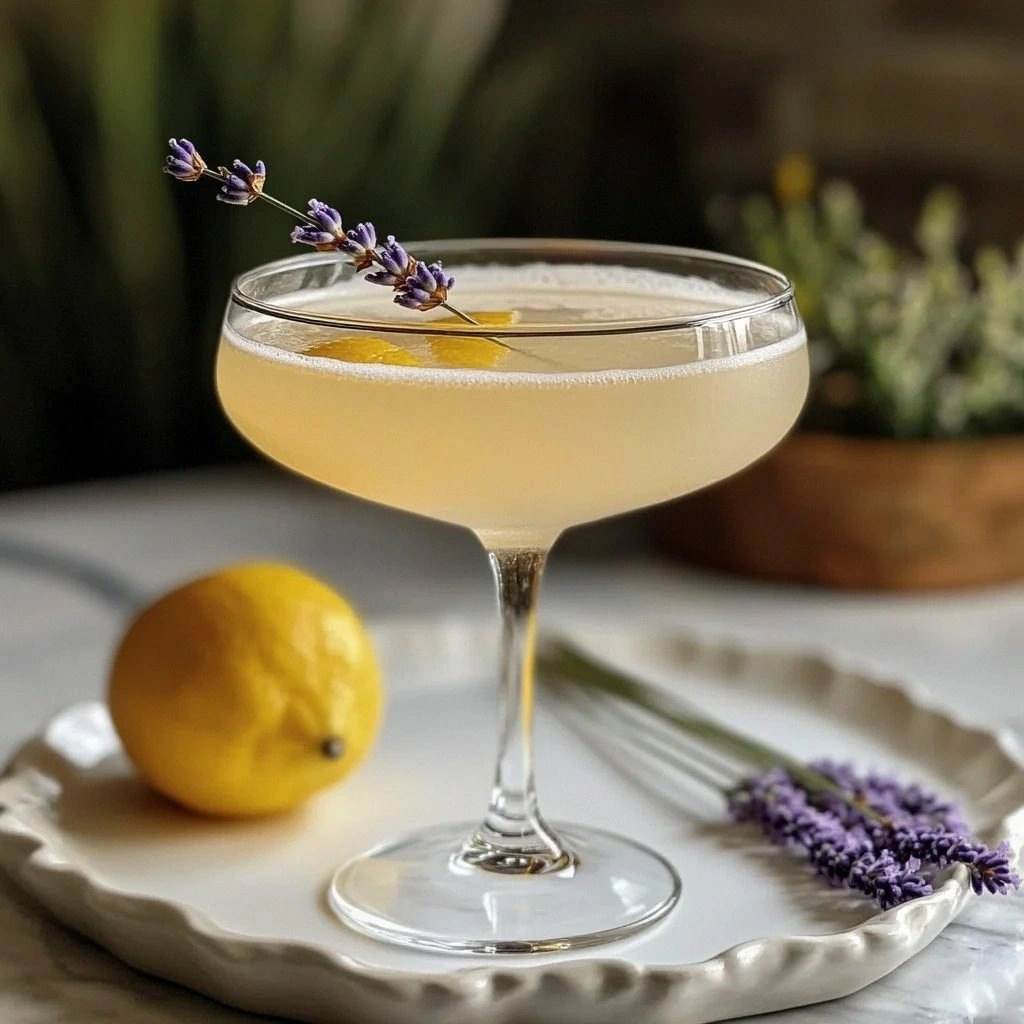
- Here's where precision matters: double strain through your fine mesh strainer into your chilled glass. This catches the lavender bits and lemon pulp that would otherwise float around like sad little islands. The liquid should be pale purple, almost silvery, with a faint foam on top. If it looks like grape juice, you've added too much syrup. If it's clear, you forgot the maraschino. The color should remind you of twilight in summer—soft, dreamy, just a little mysterious.
- Garnish with a lemon twist, but here's the pro move: express the oils first. Hold the twist skin-side down over the glass and give it a firm squeeze. You should see a fine mist of citrus oils settle on the surface. Run it around the rim too—that first sip hits the lemon oil before the liquid, preparing your palate like a warm-up act. Drop the twist in or discard it, your choice. Some people like the visual, others find it gets in the way of drinking.
- Serve immediately, preferably to someone who thinks they don't like gin cocktails. Watch their face transform from skeptical to surprised to slightly obsessed. This is the moment of truth—if you've followed the steps, you'll see that exact sequence of expressions. If not, you'll see confusion followed by polite coughing. Either way, you'll know immediately if you've nailed it.
- The first sip should taste like summer in a glass: bright citrus up front, followed by botanical complexity, ending with a whisper of floral sweetness that lingers just long enough to make you want another sip. It shouldn't taste like drinking perfume or eating a pine tree. If either of those things happen, adjust your syrup or try a different gin. Remember: this is supposed to be refreshing, not challenging.
That's it—you did it. But hold on, I've got a few more tricks that'll take this to another level...
Insider Tricks for Flawless Results
The Temperature Rule Nobody Follows
Here's what separates amateur hour from pro-level cocktails: temperature control. Your gin should be room temperature for the dry shake—cold gin won't emulsify properly with the lemon juice. But your glassware should be ice-cold. I keep a couple coupes in the freezer specifically for this drink. The contrast creates that perfect sip: cold enough to be refreshing, warm enough for the flavors to bloom. A friend tried skipping this step once and served what tasted like a slightly floral snow cone. Don't be that friend.
Why Your Nose Knows Best
Before you taste, smell. Really smell. Stick your nose right in the glass (without dipping your mustache in the drink) and take a deep breath. You should get lemon first, then a hint of lavender, then the botanicals from the gin. If all you smell is alcohol, either your gin's too cheap or you didn't shake enough. The aroma should make you want to take a sip, not reach for a breath mint. This is why we express that lemon twist—it sets up the entire experience before liquid even touches your lips.
The Five-Minute Rest That Changes Everything
After you shake and strain, let the drink sit for exactly five minutes before serving. This isn't laziness—it's science. During this rest, the foam settles, the flavors marry, and the temperature evens out. The harsh alcohol edge softens, and the lavender has time to bloom in the glass. I discovered this by accident when I got distracted by a phone call, and the cocktail I came back to tasted like an entirely different drink. Now I build in the rest time like a chef lets meat rest after cooking.
Creative Twists and Variations
This recipe is a playground. Here are some of my favorite ways to switch things up:
The Beekeeper's Aviation
Swap the lavender syrup for honey-lavender syrup by replacing half the sugar with good honey. The honey adds depth and a subtle waxiness that makes the drink taste like you're drinking summer in Provence. Use orange bitters instead of Angostura for extra complexity. This version pairs beautifully with cheese plates and people who think they're too sophisticated for "sweet" drinks.
The Smoky Lavender
Add a quarter ounce of mezcal to the gin. The smoke plays against the floral notes like a bonfire in a flower garden. It's weird, it's wonderful, and it makes people ask "what is that?" in the best way. Use grapefruit twist instead of lemon for a more brooding, mysterious version. This one's for people who like their cocktails like they like their music: slightly obscure but undeniably good.
The Virgin Aviation
Skip the gin and maraschino entirely. Use three ounces of strong lavender tea cooled, with the lemon juice and syrup over ice. Top with a splash of club soda. It tastes like the grown-up version of lemonade you didn't know you needed. Perfect for baby showers, work lunches, or when you've already had two real ones and need to switch to something your liver will thank you for.
The Winter Aviation
Add a cinnamon stick to your lavender syrup while it steeps. The warmth of cinnamon turns this into a holiday-worthy drink that somehow works in December. Serve it up with a rosemary sprig instead of lemon twist. It tastes like winter comfort but doesn't weigh you down like eggnog. I serve this at Thanksgiving and people lose their minds.
The Sparkling Aviation
Make the drink as written, but top with a splash of dry prosecco. The bubbles lift the floral notes and turn this into a legit celebration cocktail. It's like the Aviation went to finishing school and came back with better posture and a trust fund. Perfect for New Year's Eve or anytime you need to feel fancy without putting on real pants.
The Spicy Aviation
Muddle one thin slice of jalapeño in your shaker before adding other ingredients. Just one slice—this isn't a dare. The heat makes the lavender bloom in your mouth like a time-lapse video. It's subtle, more warmth than fire, and it makes people ask for your secret. I once served this to a bartender friend who called it "the most interesting Aviation I've ever had," which is bartender speak for "I'm stealing this recipe."
Storing and Bringing It Back to Life
Fridge Storage
The lavender syrup keeps beautifully for two weeks in a sealed container in the fridge. I use a glass jar with a tight lid—plastic tends to absorb the floral notes and your next batch of simple syrup will taste vaguely like perfume. If you see any cloudiness or off smells, it's time to make a fresh batch. Pro tip: label your jar with the date. Future you will thank present you, especially after a couple of these cocktails when math becomes challenging.
Freezer Friendly
The syrup freezes perfectly in ice cube trays. Each cube is about two tablespoons, which is exactly what you need for two drinks. Pop them out, store in a freezer bag, and you're always thirty seconds away from cocktail hour. The alcohol content means the gin won't freeze solid, but you can pre-batch the entire cocktail (minus lemon juice) and freeze it. Thaw overnight in the fridge, add fresh lemon, shake, and serve. It's like having a bartender in suspended animation in your freezer.
Best Reheating Method
Okay, you can't reheat a cocktail, but you can revive leftover components. If your lemon juice has been sitting for more than 24 hours, add a tiny pinch of salt to brighten it back up. For syrup that's crystallized, warm it gently with a teaspoon of water until smooth. And if you've got leftover cocktail that's gotten warm, pour it over a large ice cube in a rocks glass and call it a "lazy Aviation." Sometimes necessity is the mother of delicious invention.