Picture this: it’s a crisp Saturday evening in October, the wind is whispering through the turning leaves, and you’ve just survived a kitchen disaster that involved a broken blender, a spilled bottle of red wine, and a frantic search for a decent dessert. I was standing there, half‑covered in grape‑stained sauce, muttering a promise to never attempt “fancy” drinks again. Then, out of the chaos, a bright, crunchy idea sparked—what if I could channel the sweet, tart bite of a Honeycrisp apple into a sangria that sings like a choir of autumnal angels? I dared myself to blend the fruit’s natural honeyed flavor with a splash of crisp white wine, a whisper of brandy, and a dash of maple syrup, all while keeping it light enough to sip all night. The result? A drink that makes you want to hug the person who handed you the glass.
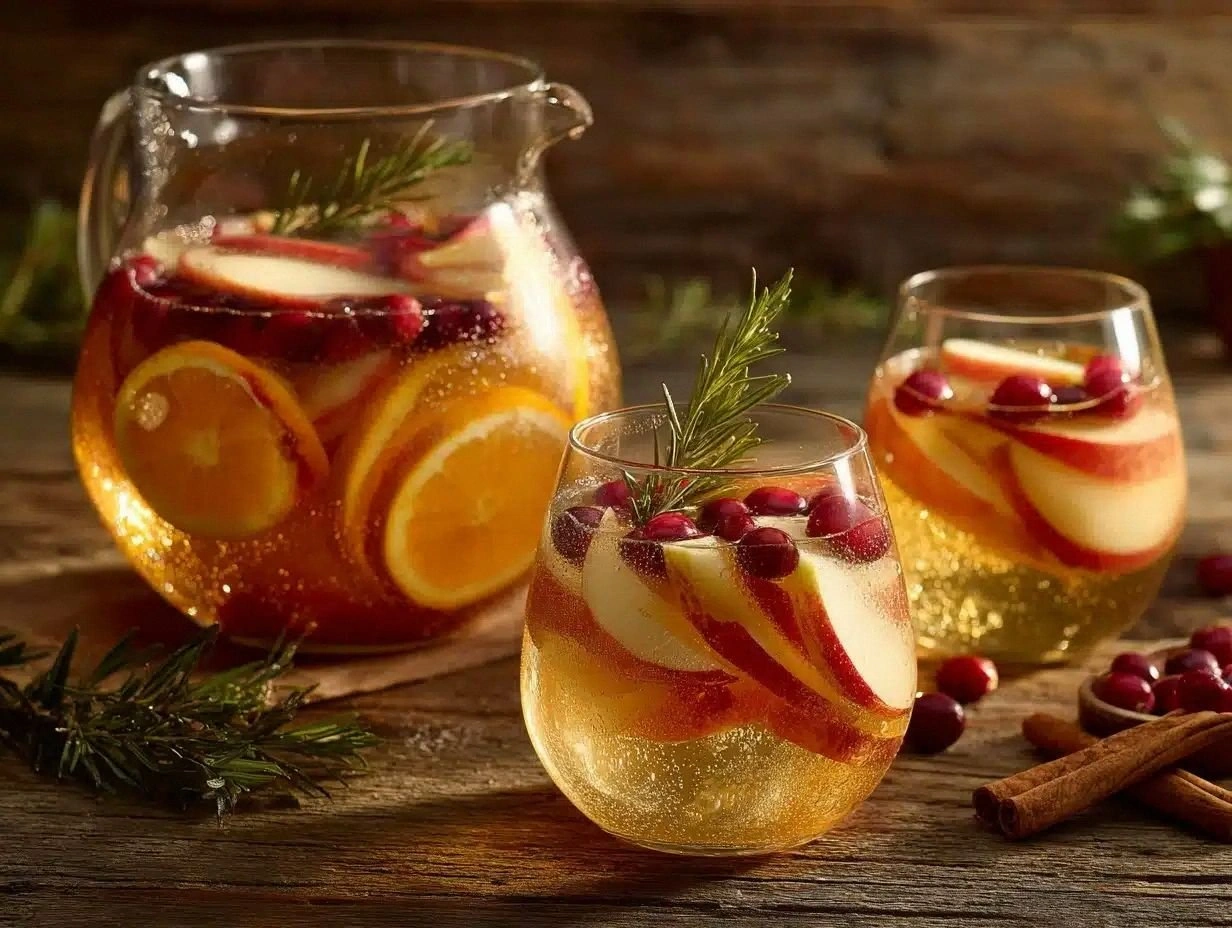
From the moment you pour the first glass, you’ll be hit with a cascade of aromas that could convince a seasoned sommelier to drop his pretentious notes. The sharp citrus of orange and lemon cuts through the apple’s mellow sweetness, while a subtle hint of cinnamon and rosemary lingers on the palate like a cozy blanket. The fizz from sparkling water lifts the whole concoction, turning it into a lively, effervescent celebration in a pitcher. I can still hear the gentle clink of glasses and the soft murmur of guests saying, “What is this?” and then, within seconds, the chorus of “More, please!” echoing around the room.
Most sangria recipes get this completely wrong—they either drown the fruit in alcohol or they forget the essential balance that makes a drink feel like a season. This version stands out because it respects the integrity of the Honeycrisp apple, using it as the star rather than a supporting actor. The secret is a quick maceration technique that draws out the apple’s juices without turning them mushy, and a surprise addition of rosemary that adds an earthy depth you never expected. I’m about to reveal that technique, and trust me, you’ll be amazed at how simple it is.
Now, I’ll be honest — I ate half the batch before anyone else got to try it. That’s how good it is. I dare you to taste this and not go back for seconds. Ready for the game‑changer? Let me walk you through every single step — by the end, you’ll wonder how you ever made it any other way.
What Makes This Version Stand Out
- Flavor Harmony: The natural honeyed crunch of Honeycrisp apples marries perfectly with the bright acidity of citrus, creating a balanced profile that dances on the tongue.
- Texture Delight: Thin apple slices stay crisp, giving each sip a satisfying bite that most fruit‑laden sangrias lose.
- Simplicity: Only ten ingredients, no fancy gadgets, and a total prep time under 20 minutes—perfect for busy hosts.
- Uniqueness: A dash of rosemary and a stick of cinnamon add an herbaceous, warm undertone you won’t find in typical sangria.
- Crowd Reaction: Guests repeatedly ask for the recipe, and the drink becomes the unofficial “signature” of the party.
- Ingredient Quality: Using true Honeycrisp apples (not a generic “apple”) guarantees that sweet‑tart punch that makes the drink unforgettable.
- Make‑Ahead Potential: The sangria improves after a few hours in the fridge, allowing you to prep early and relax later.
- Versatility: Swap the white wine for rosé or the brandy for bourbon, and you have a whole new cocktail family.
Inside the Ingredient List
The Flavor Base
The backbone of this sangria is a dry, aromatic white wine. I recommend a Sauvignon Blanc because its herbal notes echo the rosemary and its acidity balances the apple’s sweetness. If you substitute a sweeter wine, you’ll need to cut back on the maple syrup, or you’ll end up with a cloying mess. A good rule of thumb: the wine should taste like a fresh garden after a rainstorm—bright, clean, and a touch mineral.
The Texture Crew
Honeycrisp apples are the heroes here. Their firm flesh holds up to the liquid without turning mushy, and their natural sugars caramelize just enough when they sit in the wine. Choose apples that feel heavy for their size; that’s a sign of high water content and crispness. If you can’t find Honeycrisp, try Fuji or Pink Lady, but expect a slightly different texture.
The Unexpected Star
Rosemary might sound like a garnish for roasted potatoes, but a single sprig adds an aromatic depth that makes the drink feel sophisticated. Fresh rosemary releases its piney oils quickly, so you only need two sprigs. If you overdo it, the flavor can dominate—so keep it subtle. For a sweeter twist, try a few basil leaves instead; they’ll give a bright, summery vibe.
The Final Flourish
Maple syrup is the sweetener of choice because it mirrors the apple’s natural honeyed notes. It also adds a faint smoky undertone that pairs beautifully with cinnamon. Use pure, grade‑A maple syrup—artificial syrups will taste flat and ruin the balance. If you’re allergic to maple, agave nectar works as a one‑to‑one substitute, though you’ll lose a hint of that smoky nuance.
Everything's prepped? Good. Let’s get into the real action…
The Method — Step by Step
Start by washing the Honeycrisp apples, then slice them into thin, uniform wedges—about a quarter inch thick. This size ensures they release flavor quickly while staying crisp. As you lay them out, notice the faint perfume of apple blossom; that’s the promise of what’s to come. Power transition: Okay, ready for the game‑changer?
Place the apple slices in a large pitcher and drizzle the maple syrup over them. Toss gently so every piece gets a glossy coating. The syrup should cling like a thin veil, not pool at the bottom.
Kitchen Hack: Let the sugared apples sit for 5 minutes before adding wine; this short maceration draws out natural juices without breaking down the flesh.Now, pour the entire bottle of dry white wine over the apples. You’ll hear a soft fizz as the liquid meets the syrup—think of it as the drink’s first sigh of relief. Stir gently with a wooden spoon, ensuring the wine embraces every slice.
Watch Out: Do not crush the apple slices; you want them to stay intact for a beautiful presentation.Add the brandy, orange slices, lemon slices, cinnamon sticks, and rosemary sprigs. The brandy adds depth, while the citrus brightens the mix. As the spices settle, you’ll notice a faint, warm aroma that reminds you of a bonfire—pure autumn magic. Let the mixture sit for at least 10 minutes, allowing the flavors to meld. This is the moment of truth; if you smell a balanced blend of fruit, spice, and herb, you’re on the right track.
After the brief maceration, give the pitcher a gentle swirl to redistribute the floating fruit and spices. Taste a spoonful of the liquid (yes, straight from the pitcher). It should be bright, slightly sweet, with a whisper of cinnamon and rosemary. If it feels too sharp, add a splash more maple syrup; if it’s too sweet, a squeeze of fresh lemon will bring it back into balance.
When you’re satisfied with the flavor, top the mixture with sparkling water (or club soda) and ginger ale if you like an extra zing. Pour slowly to preserve the bubbles—think of it as coaxing a shy cat out of hiding. The fizz should lift the drink, giving it a lively mouthfeel that feels like a celebration in every glass.
Cover the pitcher with plastic wrap and refrigerate for at least two hours, preferably overnight. This resting period is where the magic truly happens; the apple slices will soak up the wine and spices, turning each bite into a burst of layered flavor. Picture yourself pulling this out of the fridge, the whole kitchen smelling incredible, and the anticipation building as you hear the clink of ice cubes.
When it’s party time, fill glasses with ice, ladle in a generous amount of fruit and liquid, and garnish with a fresh rosemary sprig and a thin apple slice on the rim. Serve immediately and watch your guests’ eyes widen. This next part? Pure magic. The drink will stay crisp for hours, and each sip will feel like the first—fresh, vibrant, and unforgettable.
That’s it — you did it. But hold on, I’ve got a few more tricks that’ll take this to another level…
Insider Tricks for Flawless Results
The Temperature Rule Nobody Follows
Never, ever use a warm wine straight from the pantry. Chill your white wine to about 45°F (7°C) before mixing. The cooler temperature slows down oxidation, preserving the apple’s crispness and keeping the drink refreshing. I once tried using room‑temperature wine and ended up with a flat, dull sangria that tasted like wilted fruit. Trust the fridge; it’s the secret behind that bright snap you’re after.
Why Your Nose Knows Best
Before you add the final splash of sparkling water, give the pitcher a quick sniff. If you detect a faint woody note from the cinnamon, you’re good. If the aroma feels muted, let the mixture sit an extra 30 minutes. Your nose is a more reliable gauge than a timer because it senses the balance of volatile compounds that define flavor harmony.
The 5‑Minute Rest That Changes Everything
After you add the sparkling water, let the sangria rest for exactly five minutes before serving. This brief pause allows the bubbles to settle just enough to avoid a frothy overflow while still retaining their lively lift. Skipping this step leads to flat drinks and a disappointed crowd. I’ve watched friends pour too early and end up with a soggy mess—don’t be that person.
Spice Timing—When to Add Cinnamon
If you love a stronger cinnamon punch, add the sticks during the initial maceration (step 4) and remove them after the two‑hour chill. Leaving them in too long can make the drink taste like a holiday candle. I once left them in overnight and the result was a cloying, overpowering spice that masked the apple. Timing is everything.
Garnish Like a Pro
A simple garnish can elevate the whole experience. Use a thin apple fan and a sprig of rosemary tied with a thin strip of orange peel. The visual appeal tells guests that you’ve put thought into every detail, and it adds a subtle aroma as they bring the glass to their lips. Remember, we eat with our eyes first.
Creative Twists and Variations
This recipe is a playground. Here are some of my favorite ways to switch things up:
Spiced Autumn Harvest
Swap the white wine for a light mulled red wine, add a dash of allspice, and replace the ginger ale with apple cider. The result is a deeper, richer sangria that feels like a warm hug on a chilly night.
Berry‑Boosted Bliss
Throw in a cup of fresh cranberries and a handful of frozen blueberries during the maceration. The berries add a tart contrast and a gorgeous ruby hue—perfect for a festive table.
Herbal Garden
Replace rosemary with fresh thyme and add a few lavender buds. The floral notes mingle with the apple’s sweetness, creating a sophisticated, garden‑inspired cocktail.
Tropical Twist
Use a crisp rosé instead of white wine, add a splash of pineapple juice, and garnish with a slice of fresh pineapple. This version transports you to a beachside sunset while still honoring the apple’s crunch.
Low‑Sugar Light
Swap the maple syrup for a drizzle of stevia or a sugar‑free agave substitute, and use sparkling water only—no ginger ale. The flavor stays vibrant, but the calorie count drops dramatically, making it friendly for health‑conscious guests.
Winter Warmth
Serve the sangria warm by gently heating the wine‑apple mixture (no boiling) and omitting the sparkling water. Add a cinnamon stick and a star anise for a comforting, mulled version that’s perfect for holiday gatherings.
Storing and Bringing It Back to Life
Fridge Storage
Transfer any leftovers into a sealed glass jar or airtight pitcher. Store in the refrigerator for up to three days. The apple slices will continue to infuse, so give the jar a gentle shake before each pour.
Freezer Friendly
While the sparkling component doesn’t freeze well, you can freeze the wine‑apple base in ice‑cube trays. When you need a quick batch, pop a few cubes into a pitcher, add fresh sparkling water, and you’ve got a fresh‑tasting sangria in minutes.
Best Reheating Method
If you’ve made a warm version and it’s cooled, reheat gently over low heat, adding a splash of water to revive the fizz. Avoid microwaving, as it can cause uneven heating and mute the delicate aromas.