Love this? Pin it for later!
Roasted Orange-Glazed Duck with Winter Root Vegetables for Special Occasions
Imagine the scene: snow softly falling outside, candles flickering on the table, and the intoxicating aroma of perfectly roasted duck mingling with bright citrus and earthy root vegetables. This is not just dinner—this is the kind of meal that creates memories. After years of perfecting this recipe, I can confidently say it's become my signature dish for every winter celebration, from intimate anniversary dinners to festive holiday gatherings.
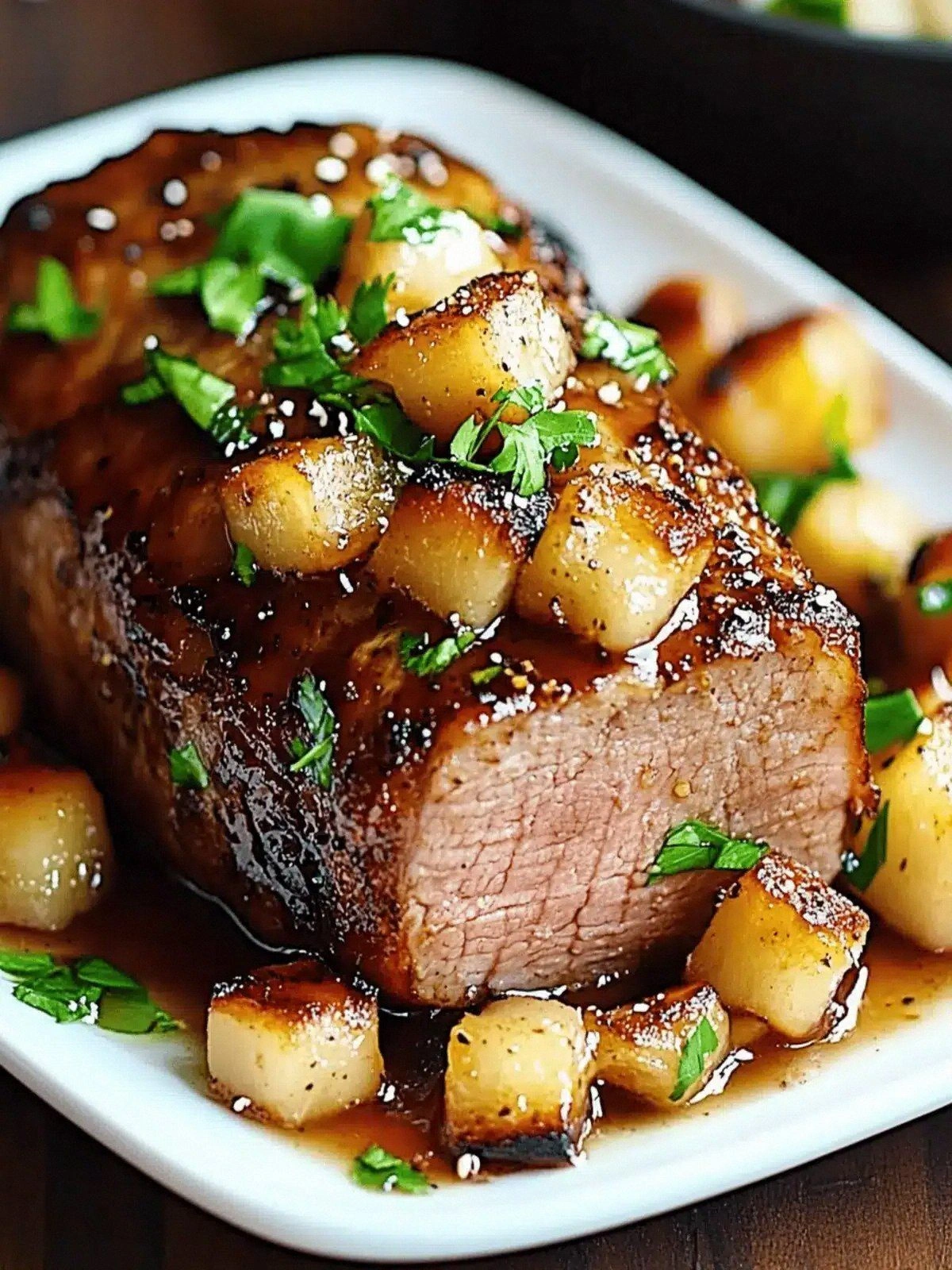
What makes this dish truly special isn't just its restaurant-quality presentation (though your guests will definitely be impressed). It's the way the duck skin crisps to golden perfection while the meat stays incredibly juicy, and how the orange glaze creates this magical lacquer that balances richness with brightness. The winter vegetables—sweet parsnips, earthy beets, and caramelized carrots—roast alongside, absorbing all those incredible duck drippings. Trust me, once you master this technique, you'll find yourself looking for excuses to celebrate.
Why This Recipe Works
- Restaurant-Quality Results: The scoring and rendering technique ensures perfectly crispy skin every time
- Balanced Flavors: The orange glaze cuts through duck's richness while enhancing its natural flavors
- One-Pan Wonder: Everything roasts together, creating layers of flavor while simplifying cleanup
- Impressive Presentation: The glistening glaze and colorful vegetables create a stunning centerpiece
- Make-Ahead Friendly: Most components can be prepared in advance, perfect for entertaining
- Seasonal Perfection: Uses winter's best produce at peak flavor and availability
- Customizable: Easily adapt vegetables or glaze to preference or what's available
Ingredients You'll Need

Quality ingredients make all the difference in this elegant dish. Here's what you'll need and why each component matters:
For the Duck
Whole Duck (5-6 lbs): Look for plump birds with creamy white skin and minimal tears. Fresh is ideal, but frozen works well—just ensure it's completely thawed and patted dry. I prefer Pekin duck for its mild, sweet flavor and good meat-to-bone ratio. The key is removing the backbone and flattening (spatchcocking) for even cooking.
Orange Zest & Juice: Use unwaxed, organic oranges since you'll be using the zest. Blood oranges create a stunning ruby glaze, but regular navel oranges work beautifully. The zest adds aromatic oils while the juice provides the base for our glaze.
Star Anise: This star-shaped spice adds subtle licorice notes that pair magnificently with duck. If unavailable, substitute with a pinch of Chinese five-spice powder.
For the Winter Vegetables
Parsnips: Choose medium-sized roots that feel firm and heavy. Peel just before using as they discolor quickly. Their natural sweetness intensifies when roasted.
Beets: Golden beets won't stain everything red like their purple cousins, creating a beautiful color contrast. Look for small-to-medium specimens with smooth skin.
Carrots: Rainbow carrots add visual appeal, but regular orange carrots work perfectly. Smaller carrots are sweeter; if using large ones, cut them on the diagonal for better presentation.
Shallots: Their delicate, sweet flavor becomes incredibly rich and jammy when roasted. You can substitute pearl onions if preferred.
For the Orange Glaze
Orange Marmalade: Provides pectin for a beautiful sheen and concentrated citrus flavor. Choose a less bitter variety for balance.
Grand Marnier or Cointreau: Adds depth and complexity to the glaze. The alcohol cooks off, leaving behind sophisticated flavor notes.
How to Make Roasted Orange-Glazed Duck with Winter Root Vegetables for Special Occasions
Prep the Duck (Day Before if Possible)
Remove duck from packaging and pat completely dry with paper towels, both inside and out. Using sharp kitchen shears, remove the backbone by cutting along both sides. Flip breast-side up and press firmly on the breastbone to flatten. Score the skin in a crosshatch pattern, cutting through the fat layer but not into the meat. Season generously with salt, including under the skin. Place on a wire rack over a baking sheet, uncovered, in the refrigerator overnight. This crucial step ensures maximum crispiness.
Pro Tip: The overnight drying period is key to achieving that coveted crispy skin. If you're pressed for time, at least 4 hours in the fridge helps.
Prepare the Orange Glaze
In a small saucepan, combine orange juice, marmalade, Grand Marnier, soy sauce, rice vinegar, and star anise. Bring to a gentle simmer over medium heat, stirring occasionally. Reduce by half until it coats the back of a spoon, about 15-20 minutes. Remove from heat, strain to remove solids, and let cool slightly. The glaze will continue to thicken as it cools.
Make-Ahead: Prepare the glaze up to 3 days in advance and store refrigerated. Rewarm gently before using.
Prep the Vegetables
Peel and cut vegetables into uniform pieces—about 1-inch chunks for hearty vegetables. Keep beets separate to prevent staining. Toss parsnips, carrots, and shallots with olive oil, salt, pepper, and fresh thyme. Reserve the beets in a separate bowl with their own seasoning to maintain their vibrant color.
Initial Roast
Preheat oven to 425°F (220°C). Remove duck from refrigerator 30 minutes before cooking. Arrange vegetables in a single layer on a large rimmed baking sheet, keeping beets separate. Place duck on top of vegetables, skin-side up. Roast for 20 minutes to render fat and start crisping the skin.
Reduce Heat and Continue
After 20 minutes, reduce oven temperature to 375°F (190°C). Continue roasting for another 40-50 minutes, depending on duck size. Baste with rendered fat every 15 minutes. The duck is done when the thickest part of the thigh registers 165°F (74°C) on an instant-read thermometer.
Glaze Application
In the final 15 minutes of cooking, begin glazing. Brush a thin layer of orange glaze over the duck and vegetables. Return to oven for 5 minutes, then repeat twice more, building layers of glossy, flavorful coating. Watch carefully to prevent burning—the sugar in the glaze can caramelize quickly.
Rest and Serve
Transfer duck to a cutting board and tent loosely with foil. Let rest for 10-15 minutes—this allows juices to redistribute, ensuring moist meat. Meanwhile, return vegetables to oven if they need more time, or keep warm on the stovetop. Carve duck into portions, arranging on a warm platter surrounded by the roasted vegetables. Drizzle with any remaining glaze and garnish with fresh herbs.
Expert Tips
Perfect Skin Technique
Pour boiling water over the duck before scoring. This helps tighten the skin and opens pores for better fat rendering.
Temperature Monitoring
Invest in a good instant-read thermometer. Duck breast is best served medium-rare to medium (135-140°F), while legs need to reach 165°F.
Fat Management
Save the rendered duck fat—it's liquid gold for roasting potatoes or sautéing vegetables. Strain and store refrigerated for up to 3 months.
Glaze Consistency
If your glaze becomes too thick, thin with a splash of orange juice or stock. Too thin? Continue simmering until desired consistency.
Vegetable Timing
Add vegetables in stages based on their cooking times. Root vegetables can handle the full cooking time, while softer vegetables can be added later.
Make-Ahead Strategy
Prepare the glaze and vegetables up to 3 days ahead. Score and season the duck the night before for maximum flavor development.
Variations to Try
Citrus Swap
Replace orange with a mixture of blood orange and tangerine for deeper color and complex flavor. Add candied ginger for warmth.
Asian-Inspired
Add ginger, lemongrass, and a splash of rice wine to the glaze. Serve with bok choy and garnish with sesame seeds and scallions.
Herb Garden
Infuse the glaze with fresh thyme, rosemary, and sage. Add whole herb sprigs to the roasting pan for aromatic vegetables.
Mediterranean Twist
Add olives, fennel bulbs, and cherry tomatoes to the vegetables. Replace Grand Marnier with Ouzo and add fresh oregano.
Storage Tips
Make-Ahead Components
The orange glaze can be prepared up to 1 week in advance and stored refrigerated in an airtight container. Vegetables can be prepped and stored separately in the refrigerator for up to 3 days. The duck can be scored and seasoned 24 hours before cooking—this actually improves the final result.
Leftover Storage
Store leftover duck and vegetables separately in airtight containers. Duck meat will keep for 3-4 days refrigerated, while vegetables are best consumed within 2-3 days. Wrap duck portions tightly in foil to prevent drying out. The glaze can be refrigerated for up to 1 week.
Reheating
For best results, reheat duck in a 300°F oven, covered with foil to prevent drying. Add a splash of stock or water to create steam. Vegetables can be reheated in the same pan. Avoid microwaving as it makes the skin rubbery. Duck can also be served room temperature or cold in salads.
Frequently Asked Questions
Yes, duck breasts work beautifully! Score and season as directed, then start skin-side down in a cold, dry pan. Render fat over medium heat for 6-8 minutes until skin is crispy. Flip and cook 3-4 minutes more for medium-rare. Apply glaze in the final 2 minutes of cooking. Reduce vegetables to a smaller pan and adjust cooking time accordingly.
Cointreau or Triple Sec are excellent substitutes. For a non-alcoholic version, use orange juice concentrate and add 1/2 teaspoon of vanilla extract for complexity. The alcohol cooks off during reduction, but if avoiding completely, consider adding a few drops of orange blossom water for aromatic depth.
The sugar in the glaze can caramelize quickly. Apply glaze in thin layers only during the last 15 minutes of cooking. Keep the oven door slightly ajar and watch closely. Move the duck to a lower rack if browning too quickly. The glaze should be applied at 375°F, not during the initial high-heat roasting phase.
Absolutely! This is an excellent entertaining dish. Prepare the glaze and vegetables up to 3 days ahead. Score and season the duck the night before. On party day, simply roast and glaze. The duck stays warm well, so you have flexibility with timing. Consider serving with a simple green salad to balance the richness.
Pinot Noir is the classic pairing—its bright acidity complements the orange while earthy notes enhance the duck. Burgundy or Oregon Pinot work beautifully. For white wine lovers, an off-dry Riesling or Gewürztraminer provides lovely contrast. The hint of sweetness balances the glaze's citrus notes.
Use an instant-read thermometer inserted into the thickest part of the thigh without touching bone. Duck is safe at 165°F, but many chefs prefer 155°F for breast meat, allowing carryover cooking to finish the job. The juices should run clear when pierced. Remember, duck can be served slightly pink, unlike chicken.

Roasted Orange-Glazed Duck with Winter Root Vegetables for Special Occasions
Ingredients
Instructions
- Prep the duck: Score skin in crosshatch pattern, season with salt, and refrigerate uncovered overnight if possible.
- Make the glaze: Combine orange juice, marmalade, Grand Marnier, soy sauce, rice vinegar, and star anise in a small saucepan. Simmer until reduced by half, about 15-20 minutes. Strain and set aside.
- Prepare vegetables: Toss parsnips, carrots, and shallots with olive oil, salt, pepper, and thyme. Keep beets separate to prevent staining.
- Initial roast: Preheat oven to 425°F. Arrange vegetables on large rimmed baking sheet, keeping beets separate. Place duck on top, skin-side up. Roast 20 minutes.
- Continue cooking: Reduce temperature to 375°F and roast 40-50 minutes more, basting with fat every 15 minutes.
- Glaze and finish: In final 15 minutes, brush with orange glaze every 5 minutes, building layers. Duck is done when thigh registers 165°F.
- Rest and serve: Let duck rest 10-15 minutes before carving. Serve with roasted vegetables and remaining glaze.
Recipe Notes
For extra crispy skin, pour boiling water over the duck before scoring. Save rendered duck fat for roasting potatoes—it's incredibly flavorful! The glaze can be made up to 1 week in advance.