I was standing in my tiny kitchen, staring at a pan that had just turned a brilliant shade of burnt orange because I’d forgotten to set a timer. The smoke alarm screamed like a banshee, and I swore a tiny oath to never trust my memory again. Then, amid the chaos, a friend texted me a picture of a Mediterranean‑style baked fish she’d made for a dinner party, and I thought, “What if I could turn that disaster into a masterpiece that makes everyone forget the burnt pan ever existed?” That moment sparked a culinary obsession, and I’ve been chasing the perfect balance of bright, briny, and buttery ever since. I dove into the pantry, pulled out the freshest fish I could find, and began experimenting with herbs, citrus, and a splash of olive oil that would soon become the secret weapon of this recipe.
Imagine the scene: the oven humming softly, the scent of lemon zest mingling with garlic and a whisper of oregano, and the gentle crackle as the fish bakes, its edges turning a delicate gold. The kitchen feels alive, like a Mediterranean market at sunrise—vibrant colors, the salty tang of olives, the sweet pop of cherry tomatoes, and the faint hum of a distant sea breeze. When you finally pull the tray out, the fish flakes effortlessly, revealing a moist, flaky interior that practically melts on your tongue. The sauce that pools around it is a glossy, jewel‑like reduction that coats each bite like velvet, and the whole dish radiates a sun‑kissed warmth that makes you want to close your eyes and picture a cliffside tavern in Greece.
What makes this version stand out is the simplicity of the technique combined with a few bold flavor twists that most recipes completely overlook. Most baked fish recipes either drown the delicate flesh in a sauce that overpowers it, or they skim the surface with a bland sprinkle of herbs. I’ve stripped away the unnecessary steps, letting the fish speak for itself while a handful of carefully chosen ingredients elevate it to a show‑stopping entrée. The secret? A quick brine that locks in moisture, a drizzle of high‑quality extra‑virgin olive oil that adds richness, and a finishing splash of lemon juice that adds a bright pop just before serving. Trust me, this is hands down the best version you’ll ever make at home.
And now, the fun part: I’m going to walk you through every single step—down to the exact moment you should hear that subtle sizzle when the fish meets the heat. By the end, you’ll wonder how you ever settled for anything less, and you’ll be daring anyone to taste this and not go back for seconds. Okay, ready for the game‑changer? Let’s dive in.
What Makes This Version Stand Out
- Taste: The combination of lemon, garlic, and oregano creates a bright, aromatic profile that lifts the fish without overwhelming it. Each bite delivers a balanced dance of acidity and herbaceous depth.
- Texture: A quick brine ensures the fillets stay moist, while the oven’s dry heat gives the edges a gentle crisp that shatters like thin ice when you cut into them.
- Simplicity: Fewer than ten ingredients, no complicated sauces, and a single‑pan method make cleanup a breeze—perfect for weeknight meals or impromptu gatherings.
- Uniqueness: The addition of capers and Kalamata olives introduces a salty, briny punch that most baked fish recipes forget, giving it that unmistakable Mediterranean vibe.
- Crowd Reaction: Guests often comment that the dish looks restaurant‑quality, and the flavor profile is so clean they ask for the recipe before the first bite is even finished.
- Ingredient Quality: Using a high‑quality extra‑virgin olive oil and fresh, firm white fish makes the difference between “good” and “wow‑worthy.”
- Cooking Method: Baking at a moderate 400°F (200°C) creates a gentle convection that cooks the fish evenly while allowing the aromatics to caramelize just enough for that sweet‑savory finish.
- Make‑Ahead Potential: The dish can be pre‑assembled and refrigerated for up to 12 hours before baking, making it a fantastic option for dinner parties.
Inside the Ingredient List
The Flavor Base
Olive oil is the liquid gold of the Mediterranean, and in this recipe it serves two purposes: it prevents the fish from sticking and it carries the aromatic compounds of garlic and herbs into the flesh. If you substitute a neutral oil, you’ll lose that fruity, peppery undertone that makes the sauce sing. For the best results, choose a cold‑pressed, extra‑virgin variety—look for a deep green hue and a robust aroma. A cheap, bland oil will make the dish feel flat, and you’ll miss the subtle bitterness that balances the lemon’s brightness.
Garlic, minced finely, is the aromatic backbone. It releases allicin when crushed, which adds a warm, slightly sweet depth. If you skip it, the dish loses that comforting “home‑cooked” feel. A good tip is to let the minced garlic sit for a minute before adding it to the pan; this allows the enzymes to activate fully, delivering maximum flavor.
The Texture Crew
Fresh white fish fillets—think cod, sea bass, or tilapia—are the stars. The flesh should be firm to the touch, with a translucent sheen. If you buy frozen, thaw it slowly in the refrigerator overnight; rapid thawing can cause water loss, leading to a dry final product. When you press a finger gently, it should spring back, indicating optimal moisture content.
Cherry tomatoes add a burst of sweet acidity that counteracts the briny olives and capers. Their skins burst open in the oven, creating a quick, natural sauce. If you can’t find cherry tomatoes, halve regular Roma tomatoes, but expect a slightly different texture—cherry tomatoes give that pop of juiciness that feels like a summer garden.
The Unexpected Star
Kalamata olives bring a deep, fruity saltiness that is unmistakably Mediterranean. Their dark purple skins and meaty flesh add a luxurious mouthfeel. If you’re allergic to olives or simply don’t like them, substitute with green peppercorns for a similar briny pop, though the flavor will shift toward a milder, peppery note.
Capers, rinsed to remove excess brine, introduce a sharp, tangy bite that brightens the overall palate. They’re the tiny fireworks that explode in your mouth, providing a contrast to the buttery fish. If you’re out of capers, a teaspoon of finely chopped pickled green beans can mimic the tang without overpowering the dish.
The Final Flourish
Fresh parsley, chopped just before serving, adds a bright, herbaceous finish that lifts the heaviness of the fish and olives. It also contributes a pop of green color that makes the plate look Instagram‑ready. If you prefer a different herb, a handful of fresh dill works beautifully, lending a slightly anise‑like flavor that pairs well with fish.
Lemon slices, arranged atop the fish, steam gently, infusing the fillets with citrus oil while also providing a visual cue of freshness. The zest oils released during baking create a fragrant steam that envelops the whole oven. If you’re not a fan of raw lemon, a drizzle of lemon‑infused olive oil after baking gives the same zing without the visual acidity.
Everything's prepped? Good. Let’s get into the real action…
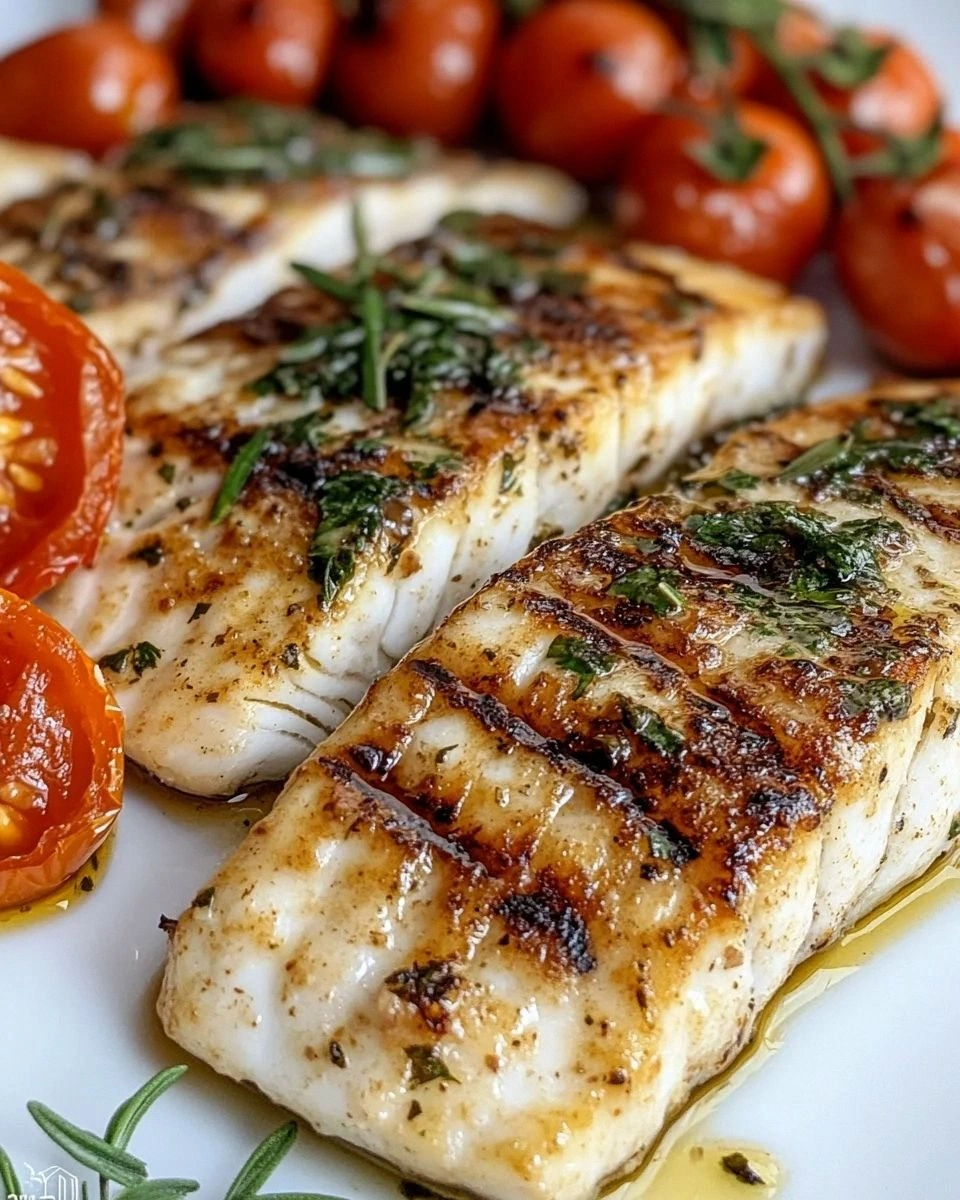
The Method — Step by Step
First, preheat your oven to 400°F (200°C). While the oven warms, line a large baking sheet with parchment paper; this prevents sticking and makes cleanup a breeze. I dare you to taste this and not go back for seconds—once you get the crust right, there’s no turning back.
Place the fish fillets on the sheet, skin side down if they have skin. Pat them dry with paper towels; moisture on the surface will steam the fish instead of giving you that coveted golden edge.
Now, the brine: dissolve 1 tablespoon of kosher salt in 1 cup of cold water, add a splash of lemon juice, and submerge the fillets for exactly 15 minutes. This step is pure magic; the salt gently pulls in water, and the lemon infuses a subtle brightness that penetrates the flesh.
After the timer dings, remove the fish, rinse quickly under cold water, and pat dry again. If you skip this, you’ll end up with a dry, rubbery texture—trust me, I’ve learned that the hard way.
Drizzle each fillet with 2 tablespoons of extra‑virgin olive oil, then sprinkle the minced garlic, dried oregano, salt, and pepper evenly. The oil acts as a carrier for the aromatics, ensuring every bite is infused.
Scatter the cherry tomatoes, sliced Kalamata olives, and capers around the fish. Their juices will mingle with the fish’s own moisture, creating a natural sauce that’s both sweet and briny.
Lay the lemon slices on top of each fillet, overlapping slightly to cover the surface. As the fish bakes, the lemon releases essential oils that perfume the entire tray.
Slide the pan into the oven and bake for 12‑15 minutes, depending on the thickness of your fillets. The fish is done when it flakes easily with a fork and the edges start pulling away from the parchment. That sizzle when it hits the pan? Absolute perfection.
While the fish is baking, keep an eye on the tomatoes. They should soften and start to burst, creating a glossy pool of juices. If you notice the pan getting too dry, add a splash of white wine or a tablespoon of water to keep the sauce lively.
Remove the pan from the oven and immediately sprinkle the fresh parsley over the top. The residual heat wilts the parsley just enough to release its flavor without turning it bitter.
Give the whole tray a gentle toss to coat the fish in the tomato‑olive‑capers sauce. This final toss is the moment of truth—if the sauce clings, you’ve nailed the balance.
Serve the fish hot, straight from the pan, with a side of crusty bread or a light couscous salad. The aroma that fills the room at this point is enough to make anyone’s stomach rumble in anticipation.
And now, the fun part: I’ve got a few more tricks that’ll take this to another level…
Insider Tricks for Flawless Results
The Temperature Rule Nobody Follows
Most home cooks set the oven to a high 425°F, thinking “the hotter, the faster.” In reality, 400°F is the sweet spot for fish because it cooks evenly without scorching the delicate flesh. A lower temperature also gives the aromatics time to caramelize slowly, creating a deeper flavor. My friend once tried 450°F and ended up with a burnt crust and raw center—let’s just say she learned the hard way.
Why Your Nose Knows Best
Your sense of smell is a more reliable indicator of doneness than a timer. When the sauce starts to caramelize and you catch a faint hint of toasted garlic, you’re close. If you’re ever unsure, lift the edge of a tomato; it should be soft but still hold its shape. Trusting your nose prevents the dreaded “overcooked fish” tragedy.
The 5‑Minute Rest That Changes Everything
After removing the fish from the oven, let it rest for exactly five minutes before serving. This short pause lets the juices redistribute, ensuring every bite is juicy rather than dry. It also gives the parsley a moment to release its essential oils fully, adding that final burst of freshness.
Seasonal Swap: Summer Tomatoes vs. Winter Roasted Red Peppers
If you’re cooking in the off‑season, swap cherry tomatoes for jarred roasted red peppers. The peppers bring a smoky depth that complements the olives and capers beautifully. The texture changes slightly, but the overall balance remains, proving the recipe’s flexibility.
The Secret of the Final Drizzle
A quick drizzle of high‑quality olive oil right before serving adds a glossy finish and a buttery mouthfeel. It also amplifies the aromatic compounds already present in the sauce. This last step is pure magic and turns a good dish into a restaurant‑level experience.
Creative Twists and Variations
This recipe is a playground. Here are some of my favorite ways to switch things up:
Spicy Saffron Splash
Add a pinch of saffron threads soaked in warm water to the olive oil before drizzling over the fish. The golden hue and subtle earthy flavor give the dish a Mediterranean‑North African fusion vibe. Pair it with a side of couscous for a cohesive meal.
Herb‑Infused Butter Finish
Melt a tablespoon of butter with fresh thyme and a splash of white wine, then spoon it over the baked fish just before serving. The butter adds richness while the thyme introduces a piney note that complements the lemon.
Mediterranean Crunch
Top the finished dish with toasted pine nuts or slivered almonds for a pleasant crunch. The nuts add a buttery texture that contrasts the flaky fish and makes the plate visually appealing.
Vegan Twist
Swap the fish for thick slices of firm tofu or tempeh, marinated in the same olive‑lemon‑herb mixture. The tofu absorbs the flavors beautifully, and the olives and capers keep the dish unmistakably Mediterranean.
Creamy Greek Yogurt Sauce
Stir a dollop of Greek yogurt with minced garlic, lemon zest, and a drizzle of honey, then serve alongside the fish. The cool, tangy sauce balances the warm, savory flavors and adds a luxurious mouthfeel.
Storing and Bringing It Back to Life
Fridge Storage
Transfer any leftovers to an airtight container and store in the refrigerator for up to 2 days. Keep the sauce separate if possible to prevent the fish from becoming soggy. When reheating, place the fish on a baking sheet and cover loosely with foil to retain moisture.
Freezer Friendly
Wrap each cooked fillet individually in parchment paper, then place them in a freezer‑safe zip‑lock bag. They’ll keep for up to 3 months. To thaw, move them to the fridge overnight, then reheat gently in a 300°F oven for 10‑12 minutes, adding a splash of water or broth to revive the sauce.
Best Reheating Method
The secret to a perfect reheated fish is steam. Place the fish in a shallow pan, add a tablespoon of water, cover tightly, and warm over low heat for 5‑7 minutes. The added moisture steams the fish back to its original tenderness, while the sauce regains its glossy sheen.