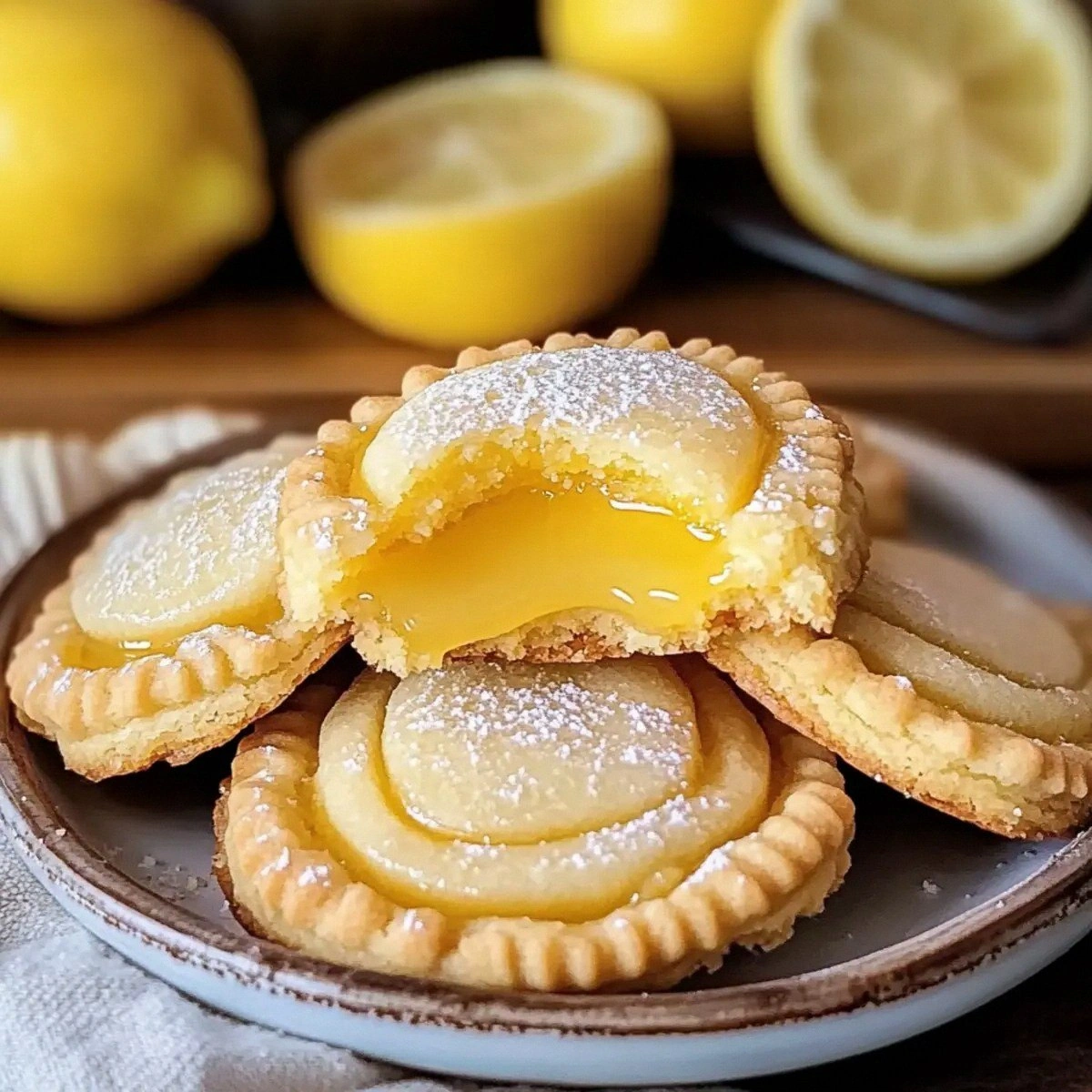
I was halfway through a frantic work‑from‑home day when my roommate shouted, “You have to try my new lemon thing!” I rolled my eyes, but the scent that drifted from the kitchen was nothing short of a citrus bomb—sharp, bright, and oddly comforting. The moment I tasted that first spoonful, I knew I was standing on the precipice of a flavor revelation that would change my cookie game forever. Most lemon cookies I’ve made either taste like bland biscuits with a dash of lemon or end up soggy and gummy, but this version? It’s a buttery, melt‑in‑your‑mouth marvel that balances tartness with a silk‑smooth custard core. I dare you to taste this and not go back for seconds; the combination is so addictive that I’ll be honest — I ate half the batch before anyone else got to try it.
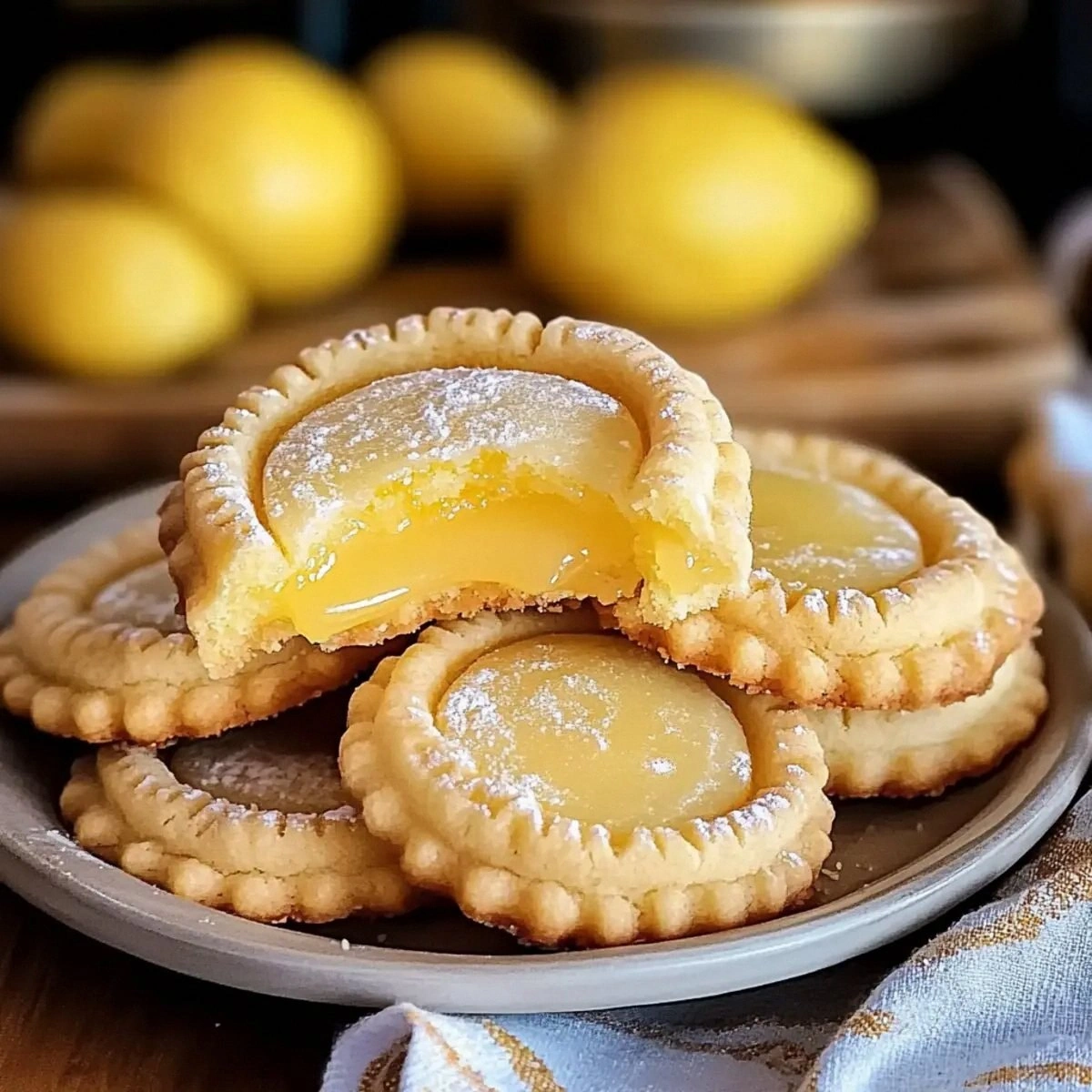
Picture yourself pulling a tray of golden‑brown discs from the oven, the kitchen instantly filling with a perfume that screams summer even in the dead of winter. The edges are crisp, like a thin sheet of caramelized sugar, while the centers stay soft enough to melt on your tongue, releasing a zingy lemon curd that’s as bright as a sunrise over the Mediterranean. When you bite, the buttery crust cracks, the curd oozes, and a wave of tangy delight crashes over your taste buds, making you feel like you’ve just discovered a secret treasure hidden in a humble cookie. Most recipes get this completely wrong—either the curd leaks out during baking or the cookie stays dry—so I’ve cracked the code and am ready to spill every secret.
What makes this batch truly special is a handful of techniques that sound simple but are absolute game‑changers. First, I whisk the lemon curd on a gentle simmer, coaxing it into a thick, glossy custard that clings to the butter without breaking. Then, I fold the cold butter cubes into the dough, creating a flaky texture that contrasts beautifully with the smooth interior. Finally, I chill the dough just long enough to let the flavors marry, yet not so long that the butter hardens into a rock. The result? A cookie that feels like a buttery cloud with a citrus core that snaps you awake. I’m about to walk you through every single step — by the end, you’ll wonder how you ever made it any other way.
Okay, ready for the game‑changer? The secret ingredient that most people overlook is a pinch of sea salt sprinkled into the curd. It amplifies the lemon’s brightness and cuts through the sweetness, giving you that sophisticated flavor balance you’d expect from a pastry chef’s kitchen. And there’s a technique you won’t find on any generic blog: a brief blast of high heat at the end of baking to caramelize the edges just enough for that satisfying crunch. Trust me, this is hands down the best version you’ll ever make at home, and I’m thrilled to share it with you.
What Makes This Version Stand Out
- Flavor Explosion: The tangy lemon curd is layered inside a buttery dough, creating a contrast that makes every bite a surprise party for your palate.
- Texture Harmony: A crisp, golden edge gives way to a melt‑in‑your‑mouth center, delivering both crunch and creaminess in perfect proportion.
- Simplicity: Despite the impressive results, the ingredient list is short and the steps are straightforward, so even a kitchen rookie can nail it.
- Unique Technique: Chilling the dough just right and finishing with a high‑heat burst ensures the curd stays inside while the exterior caramelizes.
- Crowd Reaction: Guests invariably ask for the recipe immediately, and the “I dare you to taste this and not go back for seconds” challenge never fails.
- Ingredient Quality: Using fresh lemon juice and zest, plus high‑quality butter, elevates the flavor from good to unforgettable.
- Cooking Method: Baking at a moderate temperature first, then a brief high‑heat finish, locks in moisture and creates that coveted edge.
- Make‑Ahead Potential: The dough can be pre‑shaped and frozen, and the curd can be stored, making last‑minute baking a breeze.
Inside the Ingredient List
The Flavor Base
Fresh lemon juice is the heart of this recipe; its bright acidity cuts through the richness of butter and sugar, creating a balanced flavor profile. I always squeeze the lemons myself—pre‑bottled juice lacks the nuanced aroma that makes the curd sing. If you ever skip this step, expect a flat, one‑dimensional taste that feels more like a sweet butter cookie than a lemon masterpiece. A good tip: roll the lemons on the countertop before juicing to release more juice.
The Texture Crew
Unsalted butter appears twice: once cold and cubed for the dough, and once softened for the filling. The cold butter creates flaky layers when folded into the flour, while the softened butter blends smoothly with powdered sugar to form a silky frosting‑like curd base. If you substitute margarine, the flavor will suffer, and the texture will become greasy rather than buttery. Choose a butter with at least 80% fat for the best mouthfeel.
The Unexpected Star
A pinch of sea salt might seem trivial, but it amplifies the lemon’s brightness and balances the sugar, preventing cloying sweetness. This tiny crystal is the silent hero that turns a good cookie into a great one. If you’re on a low‑sodium diet, you can reduce it, but don’t eliminate it entirely—you’ll miss that subtle depth.
The Final Flourish
All‑purpose flour provides the structural backbone, while baking powder gives a gentle lift, ensuring the cookies stay tender. The powdered sugar in the filling adds sweetness without the gritty texture of granulated sugar, keeping the curd smooth. If you’re gluten‑free, a 1:1 blend of rice flour and potato starch works surprisingly well, though the texture will be slightly denser. When buying lemons, look for ones that are heavy for their size and have a glossy, vibrant skin—that’s a sign of high juice content.
Everything's prepped? Good. Let’s get into the real action…
The Method — Step by Step
Start by making the lemon curd. In a medium saucepan, whisk together the fresh lemon juice, lemon zest, egg yolks, granulated sugar, and a pinch of salt. Place the pan over low heat, stirring constantly until the mixture thickens to a custard‑like consistency—about 8‑10 minutes. Watch for the subtle steam that signals the curd is reaching the perfect texture; it should coat the back of a spoon without looking watery.
Watch Out: If the heat is too high, the eggs will scramble—keep it low and steady.Once thickened, remove the curd from heat and whisk in the cold, cubed butter one piece at a time. The butter should melt into the curd, creating a glossy, velvety finish. Transfer the curd to a shallow bowl, cover with plastic wrap pressed directly onto the surface to prevent a skin from forming, and let it cool to room temperature. This cooling step is crucial because it firms up the curd, making it easier to pipe later.
Kitchen Hack: Chill the curd for exactly 20 minutes; this timing ensures it’s firm enough to pipe but still soft enough to spread.While the curd chills, prepare the cookie dough. In a large bowl, whisk together the all‑purpose flour, baking powder, and sea salt. In a separate bowl, cream the softened butter with powdered sugar until light and fluffy—about 2‑3 minutes on medium speed. The mixture should look pale and airy, a sign that the butter has incorporated enough air for a tender crumb.
Gradually add the dry flour mixture to the butter‑sugar blend, mixing on low speed until just combined. Over‑mixing will develop gluten and give you a tough cookie, which is the opposite of what we want. At this point, gently fold in the vanilla extract, which adds a subtle depth that rounds out the lemon’s sharpness. The dough will feel slightly sticky but manageable; if it’s too wet, sprinkle a tablespoon of flour and continue.
Now for the magic: incorporate the cold butter cubes. Toss the cubes into the dough and use a pastry cutter or your fingertips to cut them in until the mixture resembles coarse crumbs. This step creates pockets of butter that melt during baking, producing those coveted flaky edges.
Kitchen Hack: If the dough feels too crumbly, add a splash of cold milk—just enough to bring it together without losing the butter pockets.Wrap the dough in plastic wrap and chill for 30 minutes. This rest period allows the gluten to relax and the butter to firm up, which prevents excessive spreading on the sheet pan. While the dough chills, preheat your oven to 350°F (175°C) and line two baking sheets with parchment paper. The anticipation builds as the kitchen starts to smell faintly of butter.
Once chilled, portion the dough into two‑inch balls using a cookie scoop. Place each ball on the prepared baking sheet, leaving about two inches of space between them. Using the back of a spoon, gently press a small indentation into the center of each ball—this is where the lemon curd will nestle later. The indentation should be shallow enough to hold the curd without breaking the dough.
Pipe or spoon about a teaspoon of the cooled lemon curd into each indentation. Be careful not to overfill; the curd will expand slightly as it bakes. Once filled, gently roll the dough around the curd, sealing the edges to encase the filling completely. This step feels like a secret handshake between butter and lemon, and it’s where the cookie earns its “melt‑in‑your‑mouth” reputation.
Bake the cookies for 12‑14 minutes, or until the tops turn a light golden hue and the edges begin to pull away from the parchment. That sizzle when it hits the pan? Absolute perfection. For an extra crunch, crank the oven up to 425°F (220°C) for the final 2 minutes—just watch them closely to avoid burning. Remove the cookies and let them cool on the sheet for 5 minutes before transferring to a wire rack. The cooling period lets the interior set, ensuring the curd stays luscious inside.
Finally, dust the cooled cookies with a light sprinkling of powdered sugar for a snowy finish. Serve them warm or at room temperature; the contrast between the warm crust and cool curd is pure bliss. That moment when you bite through the crisp edge and the lemon curd bursts? Pure magic. That's it — you did it. But hold on, I've got a few more tricks that'll take this to another level…
Insider Tricks for Flawless Results
The Temperature Rule Nobody Follows
Never bake these cookies straight from the freezer at a low temperature; the outer layer will set before the interior has a chance to rise, leading to a dense texture. Instead, let the dough rest at room temperature for 5‑10 minutes after taking it out of the freezer, then pop it into a pre‑heated oven. This ensures even heat distribution and that coveted edge‑to‑center contrast. A friend once tried skipping the room‑temp step and ended up with a cookie that resembled a hard biscuit—let’s just say it didn’t win any applause.
Why Your Nose Knows Best
Your sense of smell is a more reliable indicator of doneness than a timer. When the cookies are about to finish, you’ll notice a faint caramel aroma that wasn’t there at the start. That sweet, buttery perfume means the edges have browned just enough to create that delicate crunch. If you rely solely on the clock, you risk over‑baking and losing that melt‑in‑your‑mouth interior.
The 5‑Minute Rest That Changes Everything
After baking, let the cookies rest on the sheet for exactly five minutes before moving them. This short pause allows the steam trapped inside to redistribute, keeping the curd from leaking out and the crumb from becoming crumbly. It also gives the butter a chance to settle, which enhances the buttery flavor. Skipping this step results in a cookie that feels dry and the curd that can ooze out, making a mess on your cooling rack.
Butter Temperature Tango
The two butter preparations—cold cubes and softened butter—must be at opposite temperatures. If both are softened, the dough will spread too much; if both are cold, the dough will be tough to shape. This temperature dance creates layers that melt at different rates, delivering that signature flaky‑yet‑tender bite. Think of it as a culinary ballet where each butter piece knows its role.
Zest Timing Trick
Add the lemon zest at the very end of the curd‑making process, right before you whisk in the butter. This preserves the volatile oils that give the zest its punchy aroma. If you add it too early, the heat will evaporate those oils, leaving you with a muted lemon flavor. A quick zest‑grater flick over the finished cookies adds an extra pop of fragrance right before serving.
Creative Twists and Variations
This recipe is a playground. Here are some of my favorite ways to switch things up:
Berry Burst
Swap half of the lemon juice for raspberry puree and add a teaspoon of finely chopped freeze‑dried raspberries to the curd. The tartness of the berries pairs beautifully with the buttery dough, creating a summer‑time treat that feels like a picnic in a bite.
Herbal Hint
Stir in a tablespoon of finely chopped fresh thyme into the dough. The herb’s earthy undertones balance the lemon’s brightness, making these cookies a sophisticated accompaniment to a cup of tea.
Chocolate Swirl
Melt ¼ cup of dark chocolate and drizzle it over the cooled cookies, or fold a tablespoon of cocoa powder into the dough for a subtle chocolate‑lemon duet. The bitterness of the chocolate deepens the flavor profile, turning the cookie into a dessert worthy of a fine dining menu.
Spiced Citrus
Add a pinch of ground cardamom or ginger to the curd for an exotic twist. These warm spices complement the lemon’s zing, making the cookies perfect for cooler evenings when you crave something comforting yet bright.
Nutty Crunch
Fold in a quarter cup of toasted almond slivers into the dough before shaping. The nuts add a satisfying crunch that contrasts the soft interior, and the nutty flavor harmonizes with the citrus for a truly textured experience.
Storing and Bringing It Back to Life
Fridge Storage
Place the cooled cookies in an airtight container with a paper towel at the bottom to absorb excess moisture. They’ll stay fresh for up to five days, and the lemon curd will actually become more set, making each bite even more decadent. If you notice any condensation, replace the paper towel.
Freezer Friendly
Arrange the cookies on a baking sheet and freeze them individually for 2‑3 hours. Once solid, transfer them to a zip‑top freezer bag. They’ll keep for up to three months. To reheat, pop them straight into a pre‑heated 300°F (150°C) oven for 6‑8 minutes; the heat revives the buttery crust while the curd thaws gently.
Best Reheating Method
When you’re ready to serve, place the cookies on a microwave‑safe plate, add a tiny splash (about a teaspoon) of water next to them, and microwave for 10‑12 seconds. The water creates steam that rejuvenates the curd, making it silky again without drying out the cookie. Alternatively, a quick toast in a toaster oven for 2 minutes works wonders for a crispier edge.