Picture this: a frantic Saturday night, the oven humming, a half‑finished batch of cookies cooling on the counter, and a sudden, insistent craving for something sweet, chewy, and undeniably coconutty. I was halfway through a classic chocolate chip cookie when my roommate dared me to make a dessert that could survive the apocalypse of my kitchen chaos. I laughed, I rolled my eyes, and then I grabbed a can of sweetened condensed milk, a bag of shredded coconut, and two egg whites, thinking, “How hard can a simple macaroon be?” Spoiler alert: it was the hardest, most rewarding experiment of my culinary life, and the result was a batch of coconut macaroons that could make a grown man weep with joy.
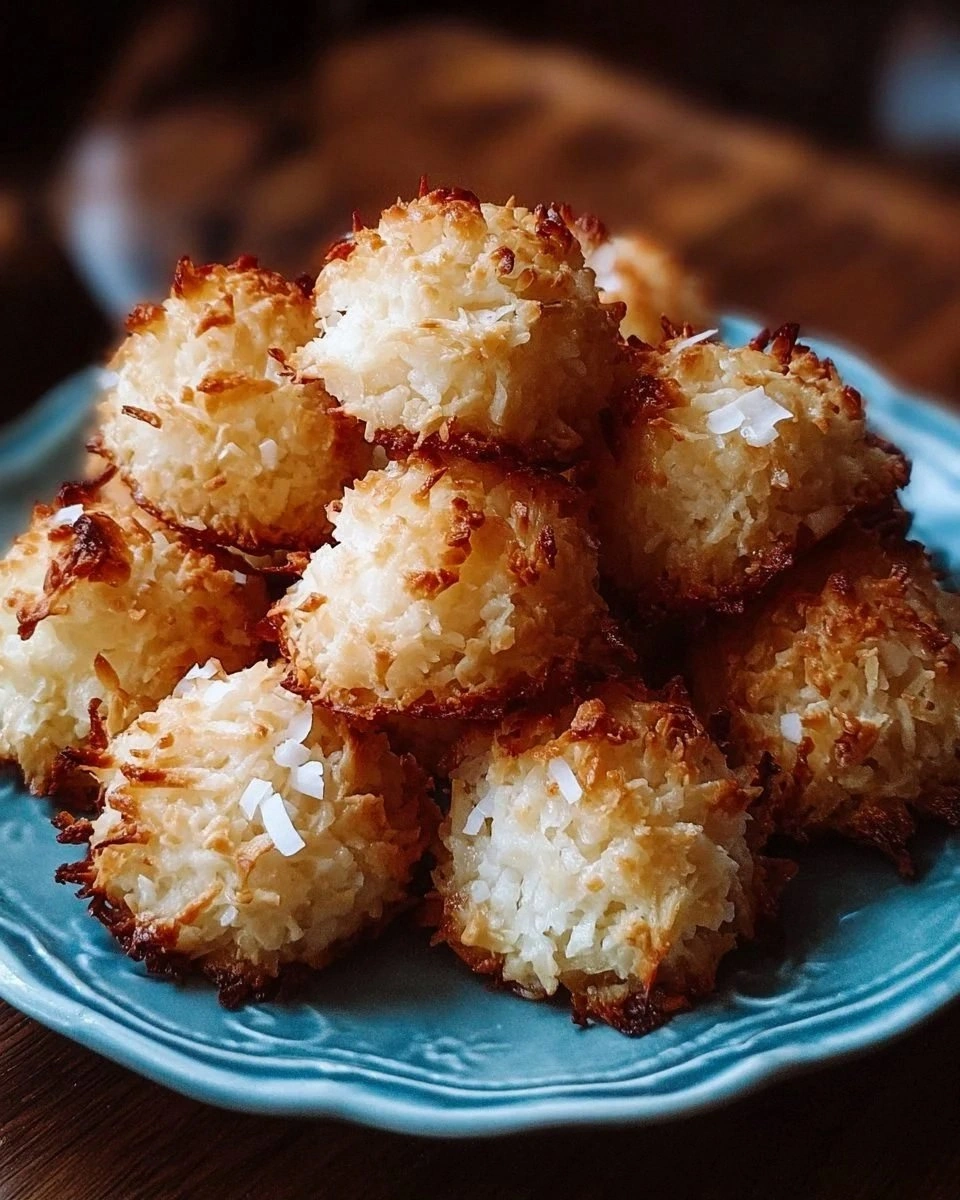
The moment I pulled the first tray out of the oven, the kitchen was flooded with a perfume that could only be described as tropical sunrise meets grandma’s kitchen. The air was thick with toasted coconut, a sweet vanilla whisper, and a faint, buttery undertone that made my nose do a little happy dance. The macaroons themselves were golden‑brown on the edges, their tops cracked just enough to reveal a glossy, caramelized surface that glistened like tiny moons. When I bit into one, the exterior gave a delicate snap, then melted into a chewy, buttery center that was both dense and airy, like a cloud that had decided to stay for breakfast.
What makes this version a cut above the rest? Most recipes either over‑sweeten, under‑bake, or miss that magical texture balance that makes a coconut macaroon truly unforgettable. I’ve tried everything from the classic “just mix and bake” method to more elaborate versions that call for almond flour, coconut oil, or even a dash of rum. Most of them end up either dry as desert sand or soggy like a rain‑soaked sponge. My version, however, hits the sweet spot every single time because it uses the perfect ratio of coconut to condensed milk, a dash of vanilla for depth, and the exact amount of egg whites needed to bind without weighing it down.
And here’s the kicker: I’m about to reveal a tiny technique involving the condensation of milk that most bakers overlook. It’s a secret that transforms the humble condensed milk into a glossy, caramel‑like glaze that clings to each bite, giving you that irresistible shine and a subtle caramel note that lingers on the palate. I dare you to taste this and not go back for seconds. Let me walk you through every single step — by the end, you’ll wonder how you ever made it any other way.
What Makes This Version Stand Out
- Flavor Explosion: The combination of sweetened coconut and condensed milk creates a rich, buttery taste that’s more indulgent than any store‑bought version.
- Texture Perfection: A crisp, caramelized edge meets a chewy, melt‑in‑your‑mouth center, delivering a contrast that’s pure sensory bliss.
- Simplicity: Only five ingredients, no exotic flours or oils, making it a pantry‑friendly hero for any night of the week.
- Ingredient Quality: Using high‑quality shredded sweetened coconut and real vanilla extract elevates the flavor profile dramatically.
- Crowd‑Pleaser: Whether you’re feeding kids, a brunch crowd, or a sophisticated cocktail party, these macaroons disappear in minutes.
- Make‑Ahead Magic: They keep wonderfully for up to a week, and even freeze beautifully, so you can prep ahead for holidays.
- Versatile Base: The neutral sweetness makes them perfect for drizzling, dipping, or sandwiching with chocolate.
- Eco‑Friendly: No wasteful packaging, just a handful of dry ingredients and a can of condensed milk.
Inside the Ingredient List
The Flavor Base
The star of the show is shredded sweetened coconut. This isn’t just any coconut; the sweetened variety brings a built‑in sugar boost that balances the richness of the condensed milk. If you skip it or use unsweetened coconut, you’ll end up with a bland, overly dry macaroon that feels more like a chew toy than a dessert. For the best texture, opt for medium‑grated coconut—fine enough to blend smoothly but still large enough to give you that satisfying bite. Pro tip: buy a bulk bag and store it in an airtight container; the fresher the coconut, the brighter the flavor.
The Texture Crew
Sweetened condensed milk is the liquid gold that binds everything together. Its thick, caramel‑like consistency coats each coconut flake, ensuring a glossy finish after baking. If you substitute regular milk or cream, you’ll lose that signature sheen and the macaroons may spread too much. In a pinch, you can use evaporated milk plus a tablespoon of sugar, but the result won’t be quite as decadent. When measuring, use a proper measuring cup and avoid the temptation to skim the top; the full volume is essential for that perfect chew.
Egg whites act as the structural backbone. The proteins coagulate during baking, giving the macaroons their slight rise and firm yet tender interior. Over‑whipping the whites can lead to a foamy texture that collapses, while under‑whipping leaves the mixture too loose. Aim for soft peaks—just enough to hold shape without turning into a meringue. If you’re allergic to eggs, a tablespoon of aquafaba (chickpea water) works surprisingly well as a vegan substitute.
The Unexpected Star
Vanilla extract might seem like a background player, but it adds a fragrant depth that rounds out the sweetness. A teaspoon of pure vanilla brings a warm, floral note that makes the macaroons feel more luxurious. Using imitation vanilla will still work, but you’ll miss out on that subtle complexity that makes the flavor linger on the tongue.
The Final Flourish
A pinch of salt is the silent hero that cuts through the sugar and amplifies every other flavor. It’s amazing how a tiny grain can transform a dessert from cloyingly sweet to perfectly balanced. If you’re using sea salt, you’ll even get a faint mineral crunch on the surface, which adds another layer of texture. Skipping the salt is a common mistake that leaves the macaroons tasting flat and one‑dimensional.
Everything's prepped? Good. Let's get into the real action...
The Method — Step by Step
Preheat your oven to 350°F (175°C). While the oven warms, line two baking sheets with parchment paper. This prevents sticking and gives the macaroons a uniform golden edge. I like to rotate the sheets halfway through baking to ensure even browning—trust me, the difference is night and day.
In a large mixing bowl, combine the 3 cups of shredded sweetened coconut and the pinch of salt. Toss them together with your hands for about 30 seconds. This step isn’t just about mixing; it’s about coating each coconut flake with salt, which will later amplify the sweet notes.
Kitchen Hack: If you’re short on time, give the coconut and salt a quick blitz in a food processor—just 2 seconds—so the salt distributes evenly.In a separate bowl, whisk the 2 large egg whites until they reach soft peaks. This should take about 2 minutes with a handheld mixer on medium speed. The goal is to incorporate air without turning the whites into a stiff meringue. Once you see the peaks curl gently, set the bowl aside.
Now, gently fold the 1 cup of sweetened condensed milk into the coconut mixture. Use a rubber spatula and a folding motion to avoid deflating the egg whites later. You’ll notice the mixture becoming glossy and thick—this is the caramel‑like base that will give your macaroons that signature shine.
Add the 1 teaspoon of vanilla extract to the bowl, followed by the whisked egg whites. Fold everything together carefully, ensuring the egg whites are evenly distributed but not over‑mixed. The batter should look slightly airy, with a light, fluffy texture that hints at the final rise.
Using a heaping tablespoon or a small ice‑cream scoop, portion the batter onto the prepared parchment. Space each mound about 2 inches apart; they will spread slightly as they bake. For perfectly uniform macaroons, dip the scoop in a little water before each use—this prevents sticking and gives you consistent sizes.
Slide the trays into the preheated oven and bake for 12‑15 minutes. Keep an eye on the edges; they should turn a light golden brown, and the tops will develop tiny cracks that look like a moon’s surface.
Watch Out: If you leave them in too long, the edges will harden and the centers will become dry. Set a timer and trust the visual cues.When the macaroons are done, remove the trays and let them cool on the parchment for 5 minutes, then transfer to a wire rack. This allows the steam to escape, preventing sogginess on the bottom. As they cool, the glossy tops will set, creating that irresistible snap when you bite into them.
Optional finishing touch: drizzle melted chocolate over the cooled macaroons or dust them with a pinch of sea salt for a sweet‑salty contrast. This is where you can get creative—think toasted almond slivers, a drizzle of caramel, or even a sprinkle of toasted coconut flakes for extra crunch.
Serve warm or at room temperature. Pair them with a cup of tea, a glass of chilled white wine, or simply enjoy them straight from the rack. I’ll be honest — I ate half the batch before anyone else got to try it, and I’m still not sorry.
That's it — you did it. But hold on, I've got a few more tricks that'll take this to another level...
Insider Tricks for Flawless Results
The Temperature Rule Nobody Follows
Most home bakers bake at a “one size fits all” temperature, but the secret to perfect macaroons is a slightly lower oven heat for a longer bake. Set your oven to 325°F (160°C) if you have a convection setting; this ensures the interior cooks gently while the exterior browns slowly, giving you that coveted chewy center without a dry edge. I once tried baking at 400°F to speed things up, and the result was a burnt crust with a raw middle—trust me, patience pays off.
Why Your Nose Knows Best
Before you even peek at the timer, trust your sense of smell. When the macaroons start releasing a fragrant, toasted coconut aroma, you’re approaching the perfect doneness. If the scent turns slightly caramelized, pull them out immediately; over‑baking will turn that sweet perfume into a bitter, burnt smell. This sensory checkpoint is a game‑changer—no more guessing, just instinct.
The 5‑Minute Rest That Changes Everything
After removing the macaroons from the oven, let them rest on the baking sheet for exactly 5 minutes before moving them to a rack. This short pause lets the residual heat finish cooking the centers and allows the sugars to set, preventing cracks when you transfer them. Skipping this step leads to fragile macaroons that crumble at the slightest touch.
Friend’s Fail: Skipping the Egg White Whisk
I once tried to shortcut by mixing the egg whites straight into the coconut‑condensed milk blend without whisking. The result? A dense, gummy mess that stuck to the pan and lacked any rise. The lesson? Never underestimate the power of properly aerated egg whites—they’re the tiny architects that give your macaroons their airy lift.
Chocolate Drizzle Mastery
If you opt for a chocolate drizzle, melt the chocolate slowly over a double boiler, then add a splash of coconut oil. This creates a glossy, fluid glaze that hardens just right at room temperature. Dip each macaroon halfway for a professional look, or drizzle in a zig‑zag pattern for a rustic vibe. The contrast of dark chocolate against the pale coconut is visually stunning and tastefully divine.
Creative Twists and Variations
This recipe is a playground. Here are some of my favorite ways to switch things up:
Tropical Lime
Replace the vanilla extract with zest of one lime and a tablespoon of fresh lime juice. The citrus brightens the sweetness, turning each bite into a mini beach vacation. Garnish with a tiny drizzle of lime‑infused glaze for extra zing.
Chocolate‑Covered Delight
After cooling, dip the macaroons halfway in melted dark chocolate and sprinkle with sea salt. The salty‑sweet combo is a crowd‑pleaser, and the chocolate adds a luxurious melt‑in‑your‑mouth finish that pairs beautifully with coffee.
Almond Joy Remix
Stir in ¼ cup of toasted almond slivers into the batter and drizzle with caramel after baking. The added crunch and caramel notes echo the classic candy bar, making these macaroons a nostalgic treat.
Spiced Holiday
Add a pinch of ground cinnamon, nutmeg, and a dash of clove to the coconut mixture for a warm, festive flavor. Top with a light dusting of powdered sugar for a snowy look—perfect for holiday gatherings.
Vegan Version
Swap the condensed milk for coconut cream sweetened with maple syrup (about ¾ cup) and replace the egg whites with 2 tablespoons of aquafaba. The texture remains delightfully chewy, and the flavor stays true to the original.
Storing and Bringing It Back to Life
Fridge Storage
Place the cooled macaroons in an airtight container lined with parchment paper. They’ll stay fresh for up to 7 days in the refrigerator. If you notice any condensation, simply pat the tops with a paper towel before resealing.
Freezer Friendly
For longer storage, arrange the macaroons on a baking sheet and freeze them individually for 2 hours. Then transfer them to a zip‑top bag. They’ll keep for up to 3 months. When you’re ready to enjoy, let them thaw at room temperature for 15 minutes.
Best Reheating Method
To revive that fresh‑out‑of‑the‑oven texture, preheat your oven to 300°F (150°C) and bake the frozen macaroons for 5‑7 minutes. Add a tiny splash of water to the baking tray (just a few drops) to create steam; this steams the interior back to perfect chewiness while the exterior regains its crispness.