Picture this: a Saturday night, the kids are bouncing off the walls, your roommate just announced an impromptu movie marathon, and you’re staring into the fridge like it’s a crystal ball trying to divine something that will stop the growling chorus. I was in that exact spot, armed with nothing but a half‑empty pantry and a desperate craving for something that felt both comforting and daring. I tossed a packet of taco seasoning into a pan, added a splash of tomato sauce, and somehow ended up with a sauce that clung to pasta like velvet while shouting “¡Fiesta!” with every bite. That night, I learned that a little Mexican flair can turn an ordinary spaghetti dinner into a show‑stopping, crowd‑pleasing masterpiece.
The kitchen was a symphony of sounds: the sizzle of butter hitting the hot pan, the gentle pop of garlic as it hit the oil, and the low hum of the oven warming up for a quick broil finish. The aroma? A heady mix of cumin, garlic, and melted cheese that made my stomach do a little happy dance. I could see the sauce bubbling, thickening, and turning a gorgeous, sun‑kissed orange‑red, while the pasta waited patiently in a bowl like a shy dancer waiting for the spotlight. The moment I tossed the cooked spaghetti into that sauce, the noodles glistened with a buttery sheen, each strand coated perfectly, refusing to clump—like they were each wearing a tiny tuxedo.
What makes this version stand out? Most Mexican‑inspired pasta dishes either drown the noodles in a watery sauce or overload them with cheese until they become a gooey, indistinct mess. I dared to balance the richness of heavy cream with the bright acidity of tomato and enchilada sauces, and I added a secret weapon—a splash of butter that gives the sauce a silky, luxurious mouthfeel that you can’t get from cream alone. The result is a dish that’s both creamy and tangy, with just enough heat to keep your taste buds on their toes, and a cheesy finish that makes you want to lick the plate clean.
And here’s the kicker: I’m about to reveal a technique that most recipes completely skip—finishing the pasta under a brief broil to create those coveted, crispy, caramelized edges that shatter like thin ice when you bite into them. It adds a textural surprise that turns a simple dinner into a culinary experience worth bragging about. I dare you to taste this and not go back for seconds. This is hands down the best version you’ll ever make at home, and I’m about to walk you through every single step — by the end, you’ll wonder how you ever made it any other way.
What Makes This Version Stand Out
- Flavor Explosion: The marriage of taco seasoning, cumin, and a blend of tomato and enchilada sauces creates a depth that’s bold yet balanced, delivering a fiesta in every bite.
- Creamy Luxury: Heavy cream and butter team up to coat the pasta in a silky veil, making each forkful feel like a rich, buttery dream.
- Cheese Harmony: Using both sharp cheddar and Monterey Jack gives a perfect melt‑and‑snap contrast—sharpness meets buttery smoothness.
- Texture Play: A quick broil at the end creates those crispy, caramelized edges that add a delightful crunch to the otherwise creamy dish.
- Simplicity: Despite its gourmet vibe, the recipe uses pantry staples and can be whipped up in under an hour.
- Crowd Magnet: This dish consistently clears plates at parties; even the pickiest eaters can’t resist the cheesy, spicy allure.
- Make‑Ahead Friendly: Prepare the sauce ahead of time, store, and just combine with freshly cooked pasta when you’re ready to serve.
- Ingredient Quality: Using fresh cilantro and quality cheeses elevates the dish from “just okay” to “million‑dollar” status.
Inside the Ingredient List
The Flavor Base
The foundation of any great dish is its flavor base, and here it’s a trio of ground beef, taco seasoning, and a duo of sauces. The lean ground beef provides a hearty, meaty canvas that absorbs the spices beautifully. If you skip the beef, you’ll lose that satisfying bite and the dish will feel lighter—still good, but not the same depth. For a twist, try ground turkey or a plant‑based crumble; just make sure it’s well‑seasoned. When selecting taco seasoning, go for a packet that lists real spices rather than a sodium‑heavy blend; the difference is night and day. A pro tip: toast the seasoning in the pan for 30 seconds before adding liquids to unlock hidden aromatics.
The Texture Crew
Butter, heavy cream, and the two cheeses are the dream team that gives this pasta its luxurious mouthfeel. Butter adds a glossy sheen and a subtle nutty note that cream alone can’t achieve. Heavy cream contributes the rich body, while the cheddar brings sharpness and the Monterey Jack adds meltability. If you’re watching calories, substitute half‑and‑half for the cream, but expect a slightly thinner sauce. Always use freshly grated cheese; pre‑shredded versions contain anti‑caking agents that can make the sauce grainy.
The Unexpected Star
Fresh cilantro might seem like a garnish, but it’s the bright green spark that cuts through the richness, giving the dish a refreshing finish. Skipping cilantro will make the sauce feel heavier and less balanced. If cilantro isn’t your thing, try a handful of finely chopped parsley or a squeeze of lime for a similar lift. When buying cilantro, look for vibrant green leaves without any wilting; a quick rinse and spin in a salad spinner keeps it crisp.
The Final Flourish
The final touch is the broil—an often‑overlooked step that creates those coveted crispy edges. This is the part where the sauce caramelizes, forming a golden crust that adds a subtle crunch. If you forget this step, you’ll still have a delicious pasta, but you’ll miss out on that textural contrast that makes the dish unforgettable. Set the broiler to high, keep the oven door slightly ajar, and watch closely; it only needs 2‑3 minutes to achieve perfection.
Everything's prepped? Good. Let's get into the real action...
The Method — Step by Step
Heat a large, heavy‑bottomed skillet over medium heat and melt the 1/2 cup of unsalted butter. Once it’s shimmering, add the 4 minced garlic cloves and let them sizzle for about 30 seconds—listen for that gentle pop, that’s the sign of flavor unlocking. Watch out: if the garlic starts to brown too quickly, lower the heat; burnt garlic will give the sauce a bitter edge that no amount of cheese can fix.
Add the 1 pound of lean ground beef, breaking it up with a wooden spoon. Cook until it’s browned all over, about 6‑8 minutes, and make sure to crumble it finely so you get an even texture. As the beef releases its juices, you’ll hear a satisfying sizzle—this is the foundation of flavor. Once browned, drain excess fat if there’s too much; we want a lean, not greasy, base.
Stir in the taco seasoning packet, 1 teaspoon each of garlic powder and onion powder, 1/2 teaspoon ground cumin, 1 teaspoon salt, and 1 teaspoon pepper. Let the spices toast for 45 seconds, stirring constantly. This step is pure magic; the heat releases the essential oils in the cumin, turning the mixture aromatic.
Dice the onion and green bell pepper, then add them to the skillet. Cook until the vegetables soften and the onion becomes translucent, about 4 minutes. The colors should turn a glossy gold, and the scent will become sweet and slightly caramelized—your kitchen will smell like a Mexican street market.
Pour in the 15 ounces of tomato sauce and 10 ounces of enchilada sauce, stirring to combine. Bring the mixture to a gentle boil, then reduce to a simmer. Let it bubble for 5‑7 minutes, allowing the flavors to meld; you’ll notice the sauce thickening and the edges pulling away from the pan—a clear visual cue that it’s ready.
Now, the cream component: lower the heat to medium‑low and slowly whisk in the 2 cups of heavy cream. The sauce will turn a luscious, pale orange. Keep stirring until the cream is fully incorporated and the sauce is glossy.
Kitchen Hack: Warm the cream slightly before adding it; this prevents the sauce from separating.Add 2 cups shredded sharp cheddar cheese and 2 cups shredded Monterey Jack cheese, stirring until they melt into a silky, cohesive sauce. The cheese should melt without clumping; if it does, increase the heat very slightly and keep whisking. This creates that luxurious mouthfeel that makes the dish unforgettable.
Meanwhile, bring a large pot of salted water to a boil and cook 16 ounces of spaghetti according to package directions until al dente. Reserve ½ cup of pasta water before draining; this starchy water will help bind the sauce to the noodles if needed.
Combine the cooked spaghetti with the sauce, tossing to coat every strand evenly. If the sauce seems too thick, add a splash of the reserved pasta water—just enough to loosen it without making it soupy. The pasta should glisten, each piece wrapped in a creamy, cheesy blanket.
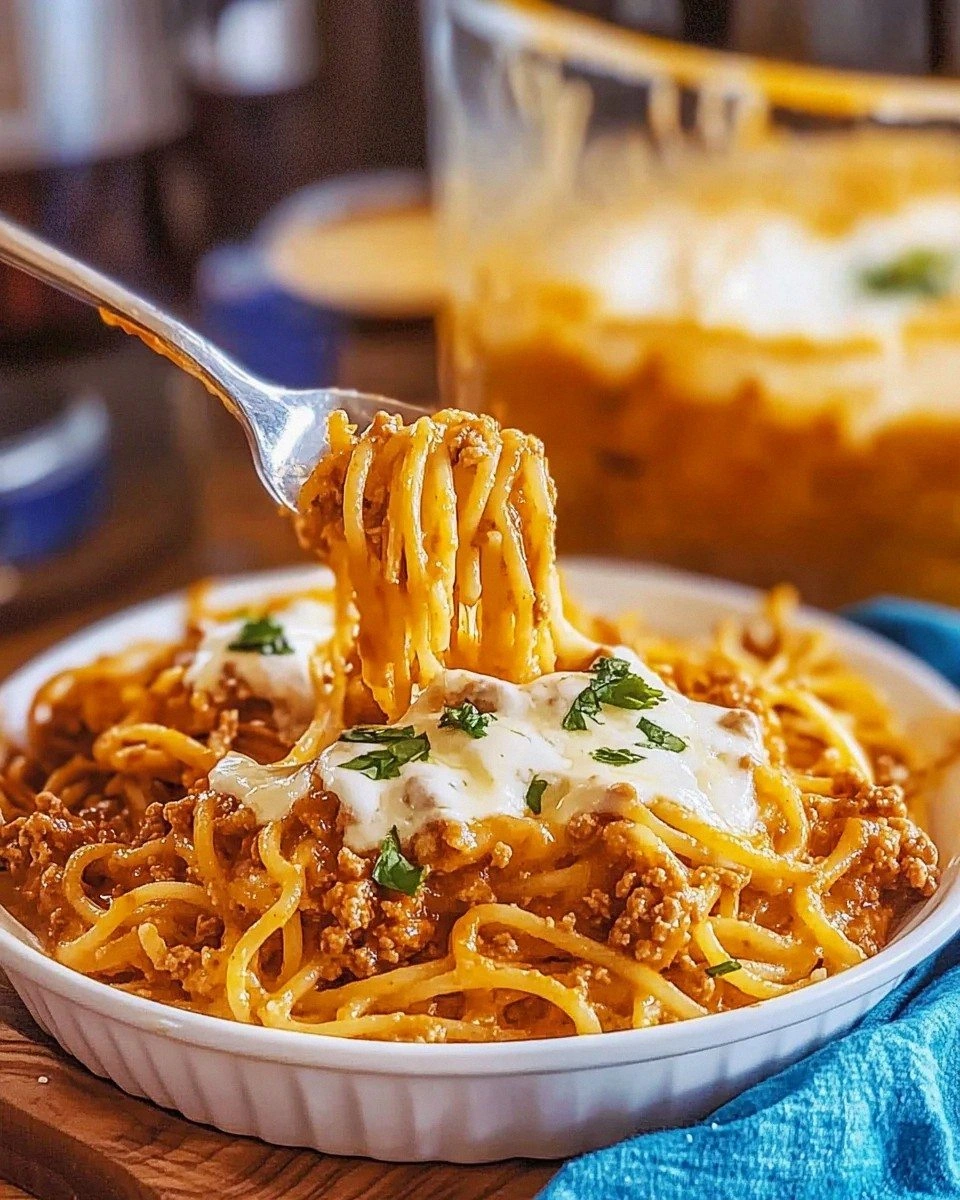
Transfer the pasta to an oven‑safe baking dish, sprinkle an extra cup each of cheddar and Monterey Jack on top for that golden crust, and place under a pre‑heated broiler. Watch closely; after 2‑3 minutes the cheese will bubble and turn a deep, caramelized brown. This is the moment of truth—those crispy edges will shatter like thin ice when you dig in.
Remove from the oven, let it rest for 2 minutes, then garnish with a generous handful of freshly chopped cilantro. The fresh green specks add a pop of color and a bright herbal finish that balances the richness. Serve immediately, and watch as the crowd dives in, spoon after spoon.
That's it — you did it. But hold on, I've got a few more tricks that'll take this to another level. Trust me, you’ll want to keep these in your culinary back pocket for future pasta parties.
Insider Tricks for Flawless Results
The Temperature Rule Nobody Follows
Most home cooks crank the heat to “high” when they want a sauce to thicken quickly, but that’s a recipe for grainy cheese and broken cream. Keep the sauce on medium‑low once you add the cream and cheese; this gentle heat allows the fats to emulsify properly, creating that silky texture. I once tried a “quick fix” and ended up with a curdled mess—lesson learned: patience is the secret ingredient.
Why Your Nose Knows Best
Never rely solely on timers. The moment the sauce starts to smell toasty and the cheese releases a nutty perfume, you know it’s ready. If you’re unsure, lift a spoonful and let it cool; the flavor should be balanced—no single spice should dominate. Trusting your senses prevents over‑cooking and keeps the dish bright.
The 5‑Minute Rest That Changes Everything
After you pull the pasta from the oven, let it sit for exactly five minutes. This rest allows the sauce to settle and the cheese crust to firm up, making slicing cleaner and preventing a soggy plate. I once served it straight out of the oven, and the cheese was still gooey, causing plates to slide—five minutes fixes that.
Cheese Layering Mastery
Instead of dumping all the cheese at once, split it: half goes into the sauce, half on top for the broil. This technique ensures the sauce stays creamy while the top gets that coveted golden crust. It’s a small step that makes a huge visual and textural impact.
Fresh Herb Finish
Don’t add cilantro earlier; its flavor fades with heat. Toss it in right before serving for a burst of freshness that cuts through the richness. If you love a bit of zing, a squeeze of lime over the top adds an extra dimension that makes the dish sing.
Creative Twists and Variations
This recipe is a playground. Here are some of my favorite ways to switch things up:
Spicy Inferno
Swap the standard taco seasoning for a chipotle‑adobo blend, and stir in 1‑2 teaspoons of smoked paprika. Add a diced jalapeño when sautéing the veggies. The result is a smoky, heat‑laden version that will have heat‑seekers cheering.
Veggie‑Loaded Delight
Replace the ground beef with a medley of roasted cauliflower, zucchini, and black beans. The veggies soak up the sauce beautifully, and you get a lighter, fiber‑rich dish without sacrificing flavor.
Cheesy Pull‑Apart
Use a blend of smoked gouda and pepper jack instead of cheddar and Monterey Jack for a deeper, smoky profile. Top with a breadcrumb‑and‑parmesan crust before broiling for an extra crunch.
Southern Comfort
Incorporate ½ cup of shredded sharp cheddar and ½ cup of crumbled bacon into the sauce. The bacon adds a salty crunch that pairs wonderfully with the creamy base, turning the dish into a comfort‑food masterpiece.
Gluten‑Free Upgrade
Swap the spaghetti for gluten‑free penne or rice noodles. Ensure the pasta is al dente; gluten‑free noodles can become mushy if overcooked, which would dilute the sauce’s luxurious texture.
Vegan Version
Replace the ground beef with crumbled tempeh, use coconut cream instead of heavy cream, and opt for vegan cheddar and jack alternatives. The flavor profile stays rich, and you still get that satisfying cheesy melt.
Storing and Bringing It Back to Life
Fridge Storage
Transfer leftovers to an airtight container and refrigerate for up to 3 days. The sauce may thicken as it cools; simply reheat gently on the stovetop, adding a splash of milk or water to restore its silky consistency.
Freezer Friendly
Portion the pasta into freezer‑safe bags or containers, leaving a little headspace for expansion. Freeze for up to 2 months. When ready to eat, thaw overnight in the fridge, then reheat in a skillet over low heat, stirring in a tablespoon of butter to revive the richness.
Best Reheating Method
For the ultimate reheated experience, place the pasta in a covered oven‑safe dish, add ¼ cup of water or broth, and bake at 350°F for 15‑20 minutes, stirring halfway. The added moisture creates steam that revives the sauce, while the top cheese re‑crispes beautifully.