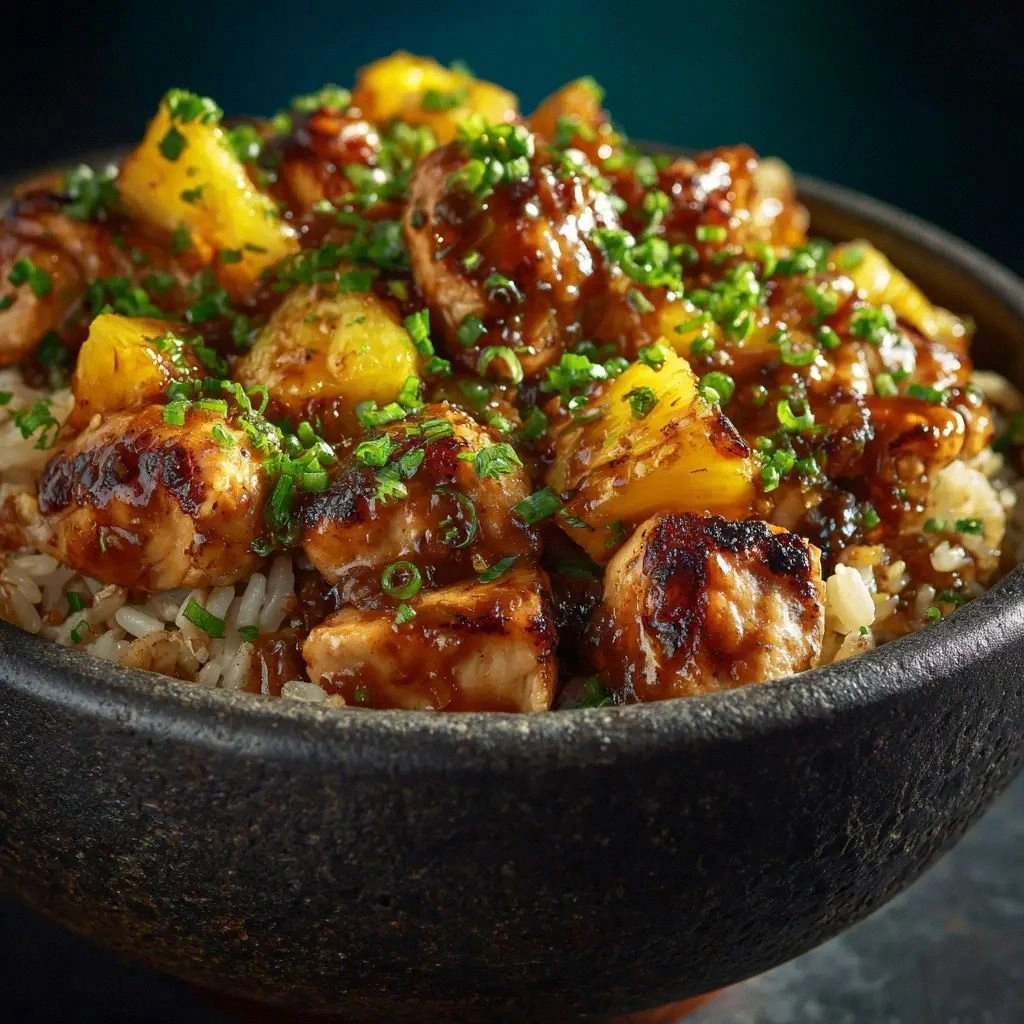
Picture this: it’s a rainy Saturday, you’re trying to impress your roommate with a quick dinner, and you accidentally drop a whole chicken breast onto the stove. The kitchen smells like burnt plastic and you’re left staring at a charred mess that looks more like a science experiment than a meal. That moment of panic was the spark that pushed me to reimagine the humble pineapple chicken and rice dish into something that not only saves the day but also steals the spotlight.
When the first sizzle hits the pan, the air fills with a sweet, tangy aroma that’s almost impossible to resist. The golden brown crust of the chicken releases a savory perfume, while the bright orange of the pineapple chunks glistens like a tropical sunrise. Your eyes catch the glossy sheen of the sauce as it coats the rice, and the gentle pop of the bell pepper adds a playful crunch. The texture is a harmonious blend of tender meat, fluffy grains, and crisp veggies, all wrapped in a silky, umami‑laden sauce that feels like a warm hug.
What makes this version a game‑changer is the meticulous balance of flavors and the single‑pan simplicity that turns a hectic weeknight into a culinary triumph. I’ve stripped away the extra steps that often bog down the classic recipe, replacing them with a streamlined technique that locks in moisture and flavor from the first sear. The result is a dish that’s both visually stunning and bursting with a layered taste profile that will have guests begging for the recipe.
But there’s a twist you won’t see in the standard recipe: the use of toasted sesame oil and fresh ginger creates a subtle, aromatic undertone that elevates the dish from good to unforgettable. I dare you to taste this and not go back for seconds; the first bite will have you questioning why you ever settled for ordinary. If you’re craving something that feels exotic yet comforting, this is hands down the best version you’ll ever make at home.
Picture yourself pulling this out of the pan, the whole kitchen smelling incredible, and the table set with a steaming mound of pineapple‑laden rice that glows in the evening light. The anticipation builds as you ladle a generous portion onto a plate, and the steam curls like a fragrant cloud. The first forkful is a burst of sweet, savory, and slightly spicy notes that dance across your palate. The texture is a delightful contrast: juicy chicken, soft rice, and a hint of crunch from the bell pepper.
Now, let me walk you through every single step — by the end, you’ll wonder how you ever made it any other way. I’ll share the secrets that have turned this dish from a simple dinner into a showstopper, complete with insider hacks and creative twists that will keep your taste buds on their toes. Ready? Let’s dive in.
What Makes This Version Stand Out
- Flavor Depth: The combination of low‑sodium soy sauce, fresh ginger, and toasted sesame oil creates a complex umami backbone that lingers on the tongue.
- Texture Harmony: The chicken is seared to a caramelized crust while remaining moist inside, and the rice absorbs the sauce without becoming mushy.
- One‑Pan Simplicity: Every element cooks in the same skillet, saving you time and cutting cleanup to a minimum.
- Bright Presentation: The vivid orange of pineapple and red bell pepper turns the dish into a visual feast that’s Instagram‑ready.
- Balanced Sweetness: The pineapple juice and chunks add natural sweetness that balances the savory soy, creating a taste profile that feels both exotic and comforting.
- Make‑Ahead Friendly: The flavors intensify after a rest period, making this dish perfect for meal prep or a quick reheating.
- Health Conscious: Using low‑sodium broth and fresh ingredients keeps the calorie count moderate while delivering protein and fiber.
Alright, let's break down exactly what goes into this masterpiece…
Inside the Ingredient List
The Flavor Base
Low‑sodium chicken broth is the cornerstone of the sauce, providing a savory foundation that marries the sweetness of pineapple and the saltiness of soy. It also keeps the rice from drying out during the long simmer, ensuring every grain stays fluffy. Skipping the broth would result in a dry pan and a less cohesive flavor profile. If you can’t find low‑sodium broth, swap for a homemade stock or use regular broth but reduce the soy sauce slightly to balance the sodium.
For a subtle twist, you can add a splash of rice vinegar at the end of cooking. This brightens the sauce and cuts through the richness, giving the dish a refined finish that feels almost Southeast Asian.
The Texture Crew
Jasmine rice is chosen for its fragrant aroma and delicate, slightly sticky texture that holds the sauce beautifully. A quick rinse before cooking removes excess starch and ensures the grains separate cleanly. If you’re in a rush, a quick‑cook rice can be used, but be mindful of the cooking time to avoid over‑cooking.
Red bell pepper adds a vibrant crunch that contrasts with the tender chicken and soft rice. Dice it into uniform cubes so it cooks evenly and releases just enough juice to mingle with the sauce. If you prefer a milder flavor, substitute with green or yellow bell pepper; the color will change but the texture remains the same.
The Unexpected Star
Pineapple chunks in juice are the sweet heart of this dish. They bring natural sugars that caramelize during searing, creating a glossy glaze that coats the chicken and rice. The juice, rich in bromelain, also tenderizes the meat, giving it a melt‑in‑your‑mouth texture. If you’re worried about sweetness, use a smaller portion of pineapple or add a squeeze of lime to balance the flavor.
Fun fact: Pineapple was once considered a luxury in Europe, reserved for the elite. It was brought to the Americas by Spanish explorers, who prized it for its bright flavor and ability to tenderize meats.
The Final Flourish
Fresh ginger and garlic provide aromatic depth that lingers long after the dish is finished. Mince them finely to release their essential oils, which meld with the soy and pineapple to create an unforgettable aroma. A pinch of sesame seeds and chopped green onions add a subtle crunch and a burst of color that makes the dish feel complete.
To elevate the finish, drizzle a teaspoon of toasted sesame oil at the end of cooking. Its nutty aroma enhances the overall flavor profile and gives the dish a polished, restaurant‑grade sheen.
Everything's prepped? Good. Let's get into the real action…
The Method — Step by Step
- Prep the chicken: Pat the chicken breasts dry with paper towels, then cut them into 1‑inch cubes. Season lightly with salt and pepper. This step ensures a quick sear and a crisp exterior. If you’re short on time, you can skip the pepper, but the salt will help bring out the natural flavors.
- Brown the meat: Heat a large skillet over medium‑high heat and add 1 tablespoon of oil. Once hot, add the chicken cubes in a single layer, letting them sear without overcrowding. Flip once and let them brown on all sides, about 4–5 minutes total. The goal is a golden crust that locks in juices; watch the edges pull away as a sign of readiness.
- Set aside and sauté aromatics: Transfer the browned chicken to a plate. In the same skillet, add a splash of oil if needed and toss in minced garlic and ginger. Sauté for 30 seconds until fragrant, making sure not to burn them. This creates a fragrant base that will infuse the sauce.
- Cook the rice: Add the rinsed jasmine rice to the skillet, stirring to coat each grain with the aromatics. Cook for 2 minutes, letting the rice toast slightly. The toasted grains add a nutty undertone and help absorb the liquid later on.
- Deglaze: Pour in 1.5 cups of low‑sodium chicken broth and stir, scraping up any browned bits from the bottom of the pan. Those bits are flavor gold. Bring the mixture to a gentle boil.
- Add veggies and pineapple: Stir in the diced red bell pepper, pineapple chunks (with juice), and reserved pineapple juice. Reduce heat to low and let the mixture simmer, uncovered, for 15 minutes. The rice will absorb the liquid, and the pineapple will caramelize, forming a glossy glaze.
- Finish with sauce: Add the soy sauce, toasted sesame oil, and the browned chicken back into the skillet. Stir to combine and let simmer for an additional 5 minutes, ensuring the chicken is heated through and the sauce thickens slightly. Taste and adjust seasoning if necessary.
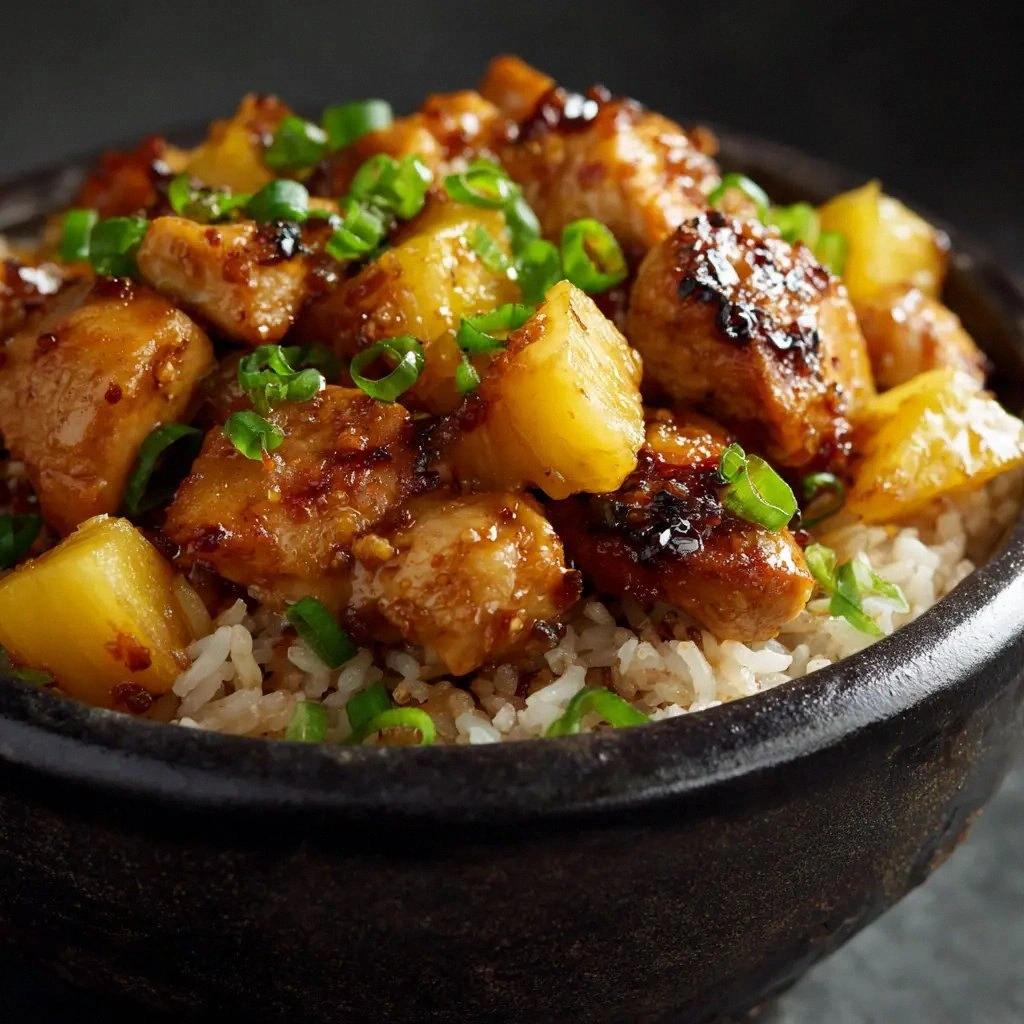
- Garnish and serve: Sprinkle chopped green onions and sesame seeds over the top. The green onions add a fresh pop, while the sesame seeds provide a subtle crunch. Serve hot, spooning extra sauce onto each plate. The final dish should look like a tropical sunrise in a pan, with vibrant colors and an irresistible aroma.
Insider Tricks for Flawless Results
The Temperature Rule Nobody Follows
Many cooks jump to high heat and risk burning the sauce. Instead, keep the simmer low once you’ve added the rice and broth. This slow cook allows the rice to absorb liquid evenly and the flavors to meld. I once tried a high‑heat approach and the rice became gummy and the sauce burnt to a bitter caramel. Lesson learned: low and steady wins the race.
Why Your Nose Knows Best
Trust your sense of smell to gauge doneness. When the aroma shifts from raw to a warm, slightly sweet perfume, the dish is ready. The subtle shift in scent is a reliable indicator that the rice has absorbed the liquid and the sauce has thickened. If you’re unsure, give it a gentle stir and check the texture of the rice.
The 5‑Minute Rest That Changes Everything
After removing the skillet from heat, cover it loosely with foil and let it rest for 5 minutes. During this rest period, the rice continues to steam, resulting in a fluffier texture. The sauce also settles, making it easier to ladle onto plates without splattering. I’ve seen guests complain about uneven sauce distribution; this simple step fixes that.
Use Fresh Ginger, Not Powder
Fresh ginger provides a bright, zesty flavor that powder cannot match. Mince it finely to release essential oils that infuse the dish. If you’re out of fresh ginger, use 1 teaspoon of ground ginger as a last‑minute substitute, but be aware the flavor will be less vibrant.
Keep the Chicken Moist
The secret to juicy chicken is to sear it first before simmering. This locks in juices and gives the meat a caramelized exterior that contrasts with the tender interior. If you skip searing, the chicken will absorb too much liquid from the sauce and become soggy.
Adjust Salt to Taste
Low‑sodium broth and soy sauce provide a baseline, but individual palates vary. Taste the sauce before serving and add a pinch of salt if needed. Over‑seasoning can mask the delicate pineapple sweetness, so go slowly and trust your taste buds.
Creative Twists and Variations
This recipe is a playground. Here are some of my favorite ways to switch things up:
Thai‑Inspired Crunch
Swap the red bell pepper for shredded carrots and add a handful of chopped cilantro at the end. Toss in a teaspoon of Thai fish sauce for an extra umami punch. This variation leans into Thai flavors, offering a fresh, zesty bite that pairs wonderfully with coconut rice.
Spicy Sriracha Kick
Add a tablespoon of Sriracha to the sauce during the simmering stage. The heat will balance the sweetness of pineapple and create a bold, fiery profile. Perfect for those who love a little heat in their comfort food.
Vegetarian Version
Replace the chicken with cubed firm tofu, lightly pan‑fry it until golden before adding the sauce. Use vegetable broth instead of chicken broth and increase the soy sauce slightly to deepen the umami. This version keeps the same flavor balance while offering a plant‑based alternative.
Almond‑Glazed Delight
Stir in a tablespoon of almond butter during the final simmer. The nutty richness complements the pineapple and adds a creamy texture. Top with toasted almonds for an extra crunch and a nutty aroma.
Breakfast Bowl
Serve the dish over a bed of scrambled eggs and top with a drizzle of sriracha mayo. The savory, sweet, and spicy elements create a breakfast that feels indulgent yet balanced. Ideal for a weekend brunch or a late‑night craving.
Low‑Carb Twist
Swap jasmine rice for cauliflower rice and reduce the pineapple juice to keep the dish low in carbs. The cauliflower will absorb the sauce and provide a subtle, mild flavor that complements the pineapple. This version is great for those on a keto or low‑carb diet.
Storing and Bringing It Back to Life
Fridge Storage
Cool the dish completely before transferring to an airtight container. Store in the refrigerator for up to 3 days. The flavors will deepen, making the dish even more delicious when reheated.
Freezer Friendly
Divide the cooled dish into single‑serving portions and place in freezer‑safe bags or containers. Freeze for up to 2 months. When ready to eat, thaw overnight in the refrigerator.
Best Reheating Method
Reheat in a skillet over medium heat, adding a splash of water or broth to keep the rice moist. Stir frequently until heated through, about 5–7 minutes. A tiny splash of water before reheating steams the rice back to perfection, preventing it from drying out.