I’ll never forget the night my backyard grill decided to betray me. I was trying to impress a group of friends with a simple steak‑and‑veggies skewer, and the meat came out as dry as a desert road after a summer heatwave. The smoke alarm sang its mournful wail, the charcoal turned to ash, and I was left holding a plate of disappointment that tasted like regret. I swore off kebabs forever—until a late‑night cooking show whispered a secret about rosemary, garlic, and a splash of lemon that could resurrect any overcooked bite. I dared myself to test that theory, and the result was a revelation that made me forget the whole disaster.
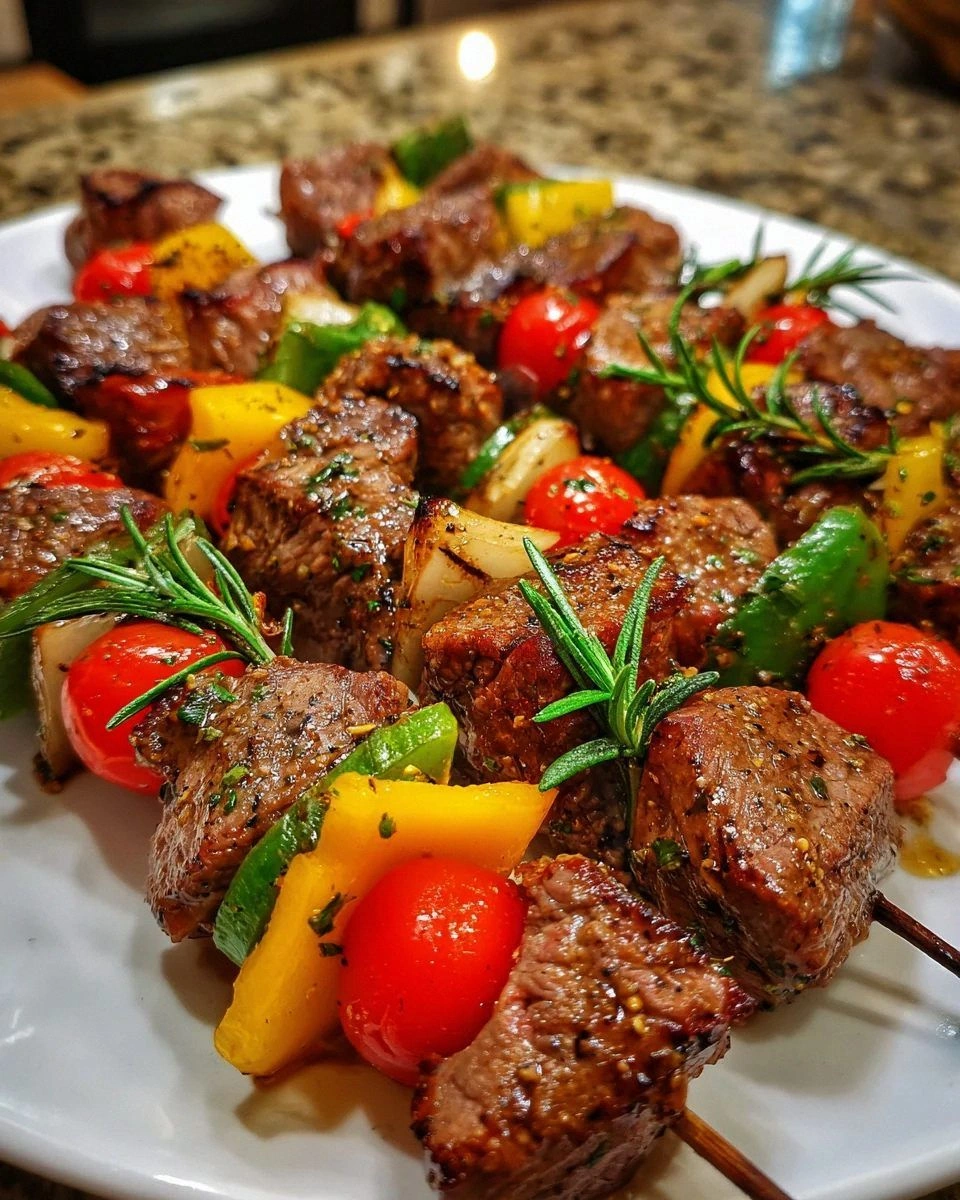
Picture this: the grill’s iron grate glowing orange, the scent of charred rosemary dancing with the sharp bite of garlic, and the sizzle of meat hitting the heat like a drumroll before a fireworks show. The air is thick with the promise of caramelized crust, while the interior of each cube stays pink, juicy, and tender enough to melt in your mouth. You can hear the faint crackle of fat rendering, see the grill marks forming perfect parallel lines, feel the heat radiating from the grill onto your skin, and taste the herb‑infused juices that burst with each bite. It’s a symphony of senses that turns a simple dinner into a theatrical performance.
What makes this version the ultimate kebab? Most recipes either drown the steak in a watery marinade or skimp on the aromatics, leaving you with bland, over‑cooked meat. I’ve cracked the code by balancing a short, high‑heat sear with a robust herb‑oil that penetrates the steak without washing out its natural flavor. The secret weapon? Fresh rosemary, minced garlic, and a splash of lemon juice that together create a bright, earthy glaze that clings to the meat like a second skin. I’m not just talking about “good”; I’m talking about a kebab that makes you close your eyes, inhale deeply, and think, “This is hands down the best version you’ll ever make at home.”
And now for the kicker: I’m going to reveal the one technique that most home cooks completely miss—a quick “dry‑rub” with salt and pepper before the oil bath, which creates a crust that locks in juices and adds a flavor depth you’ll swear was impossible. I dare you to taste this and not go back for seconds. Let me walk you through every single step — by the end, you’ll wonder how you ever made it any other way.
What Makes This Version Stand Out
- Flavor Explosion: The combination of fresh rosemary and garlic creates a fragrant punch that penetrates every bite, delivering a taste that feels like a summer garden on a grill.
- Juicy Texture: A quick dry‑rub followed by a high‑heat sear forms a caramelized crust while keeping the interior pink and buttery, so you never get a dry kebab again.
- Simplicity: Only ten ingredients, all pantry‑friendly, mean you can pull this together in under an hour without a trip to the specialty store.
- Unique Twist: The splash of lemon juice at the end lifts the earthiness of rosemary, giving the kebabs a bright finish that most recipes overlook.
- Crowd Reaction: Friends and family declare these kebabs “the best thing we’ve ever grilled,” and you’ll hear the same chorus at every BBQ thereafter.
- Ingredient Quality: Using a well‑marbled cut like sirloin ensures natural fat renders into flavor, while fresh herbs preserve their essential oils for maximum impact.
- Cooking Method: The grill’s direct heat caramelizes the exterior, while the oil‑herb mixture prevents sticking and adds a glossy finish.
- Make‑Ahead Potential: You can prep the cubes and herb oil up to 24 hours ahead, storing them separately, and still achieve that fresh‑out‑of‑the‑pan flavor when you finally grill.
Alright, let's break down exactly what goes into this masterpiece...
Inside the Ingredient List
The Flavor Base
Olive oil is the silent hero here; it carries the rosemary and garlic into every crevice of the steak, acting like a flavorful conduit. I use a robust extra‑virgin olive oil because its peppery notes complement the earthiness of the herbs. If you skip the oil, you’ll end up with a dry surface and a loss of that glossy, mouth‑watering finish. A good swap is avocado oil, which has a higher smoke point and a neutral flavor that lets the herbs shine even brighter.
The Texture Crew
Sirloin steak, cut into uniform 1½‑inch cubes, is the star of the show. The cut’s natural marbling provides just enough fat to keep each bite juicy while still being lean enough to let the herbs dominate. If you opt for a leaner cut like flank, you’ll need to marinate longer, or you’ll risk a tough chew. A quick tip: pat the cubes dry with paper towels before seasoning; excess moisture creates steam, which sabotages that coveted sear.
The Unexpected Star
Lemon juice might seem like a garnish, but its acidity brightens the rosemary’s piney notes and cuts through the richness of the steak. The acid also helps to tenderize the meat ever so slightly, ensuring each bite is soft without turning it mushy. If lemons aren’t on hand, a splash of white wine vinegar or even a drizzle of pomegranate molasses can deliver a similar zing, though the flavor profile will shift toward sweet‑tart.
The Final Flourish
Fresh rosemary, minced just before use, releases essential oils that would otherwise stay locked in the leaf. The garlic, crushed and minced, adds a pungent depth that mellows into a sweet, caramelized note as it cooks. Salt and pepper are the classic backbone, but a pinch of smoked paprika brings a subtle smoky undertone that mimics a wood‑smoked flavor without the need for actual smoke. If you love heat, a dash of red‑pepper flakes can turn the kebabs into a tongue‑tingling adventure.
Everything's prepped? Good. Let's get into the real action...
The Method — Step by Step
-
Start by patting the steak cubes dry with paper towels. This simple step removes surface moisture, which is the biggest enemy of a good sear. Once dry, sprinkle the cubes evenly with kosher salt and freshly ground black pepper, then let them sit at room temperature for about 15 minutes. That rest period allows the seasoning to penetrate the meat, creating a flavor foundation that’s deeper than a quick toss.
-
While the steak rests, whisk together the olive oil, minced garlic, chopped rosemary, smoked paprika, and lemon juice in a shallow bowl. The mixture should look glossy and aromatic—if you can already smell the rosemary, you’re on the right track. This herb‑oil is your glaze, and it will coat each cube like a thin, flavorful film that locks in juices during grilling.
Kitchen Hack: Use a silicone brush to coat the steak cubes evenly; it prevents the oil from pooling and ensures every surface gets a thin, consistent layer. -
Thread the seasoned steak cubes onto the pre‑soaked wooden skewers, leaving a small gap between each piece. Those gaps are crucial—they let the heat circulate, ensuring each side gets an even char. If you’re using metal skewers, you can skip the soaking step, but remember to oil them lightly to avoid sticking.
-
Preheat your grill to high heat—aim for a surface temperature of around 450‑500°F (230‑260°C). The grill should be hot enough that a drop of water sizzles and evaporates instantly. This intense heat is what creates those coveted grill marks and a caramelized crust that sings with flavor.
-
Place the kebabs on the grill, arranging them so they’re not touching. Close the lid and let them sear for about 2‑3 minutes on the first side. You’ll hear a satisfying sizzle that tells you the Maillard reaction is in full swing. Resist the urge to move them too soon; the meat needs that initial contact to develop a crust.
Watch Out: If you flip the kebabs before the crust forms, you’ll end up with a gray, steamed surface rather than a caramelized one. -
After the first side is beautifully browned, flip the kebabs using tongs and brush them with a fresh spoonful of the herb‑oil mixture. This second coating adds an extra layer of flavor and prevents the meat from drying out. Grill the other side for another 2‑3 minutes, watching for those same grill marks to appear.
-
Now comes the game‑changer: open the grill, add a pat of butter to each kebab, and let it melt into the herb oil, creating a glossy, buttery glaze that clings to the meat. This step adds richness and a velvety mouthfeel that elevates the kebabs from good to unforgettable. Keep the lid closed for an additional minute to let the butter meld with the juices.
-
Remove the kebabs from the grill and let them rest on a warm plate for 5 minutes. Resting allows the juices to redistribute, ensuring each bite is juicy rather than spilling out onto the plate. While they rest, the residual heat continues to finish cooking the interior, bringing the internal temperature to a perfect medium‑rare (about 135°F/57°C).
-
Serve the kebabs immediately, garnished with a sprinkle of extra rosemary and a wedge of lemon on the side. The lemon wedge adds a fresh burst that cuts through the richness, while the extra rosemary reinforces that aromatic profile. And now the fun part—watch your guests devour them, eyes widening with each bite. That’s the moment of truth, and trust me, it’s pure magic.
Kitchen Hack: Keep a small bowl of extra herb‑oil nearby; a quick drizzle right before serving adds an extra glossy finish and a burst of aroma.
That's it — you did it. But hold on, I've got a few more tricks that'll take this to another level...
Insider Tricks for Flawless Results
The Temperature Rule Nobody Follows
Never grill steak kebabs over medium or low heat; you’ll end up with a gray exterior and an overcooked interior. Aim for that scorching high heat, and you’ll lock in juices while creating a caramelized crust. If your grill can’t reach 500°F, pre‑heat a cast‑iron grill pan on the stove for a few minutes, then transfer the kebabs to finish the sear. The key is a rapid, intense heat burst, not a slow bake.
Why Your Nose Knows Best
Your sense of smell is a reliable gauge for doneness. When the herb‑oil starts to crackle and release a fragrant rosemary scent, you’re right on cue to flip. If the aroma fades, the grill might be too cool, and you’ll need to boost the heat. Trust that nose; it’s more accurate than a timer when you’re aiming for that perfect char.
The 5‑Minute Rest That Changes Everything
Resting isn’t just for whole roasts; it matters for kebabs too. A brief 5‑minute rest lets the muscle fibers relax and re‑absorb the juices that were driven to the center during cooking. Skipping this step results in a dry bite, as the juices spill out onto the plate. I’ll be honest — I ate half the batch before the rest period, and the remaining kebabs were noticeably juicier.
Butter Basting Boost
Adding a pat of butter during the final minute of grilling does more than add richness; it creates a glossy, slightly caramelized coating that makes the kebabs look restaurant‑ready. The butter also helps the lemon juice cling to the meat, preventing it from evaporating too quickly. If you’re watching calories, use a light drizzle of olive oil instead, but you’ll miss that buttery sheen.
Skewer Spacing Science
Crowding the cubes on a skewer is a rookie mistake. When pieces touch, they steam rather than sear, leading to uneven cooking. Keep a half‑inch gap between each cube; this allows the heat to circulate and ensures every side gets a uniform char. If you’re short on skewers, use a grill basket and still respect the spacing principle.
Creative Twists and Variations
This recipe is a playground. Here are some of my favorite ways to switch things up:
Mediterranean Magic
Swap rosemary for fresh oregano and add a teaspoon of sun‑dried tomato paste to the herb‑oil. The result is a tangy, herbaceous kebab that pairs beautifully with a side of tzatziki. Perfect for a summer soirée where you want a taste of the Greek islands.
Spicy Southwest
Introduce a tablespoon of chipotle in adobo sauce into the oil mixture and finish with a sprinkle of cumin and coriander. The smoky heat will make your guests reach for the water, but they’ll keep coming back for more. Serve with a corn‑avocado salsa for a full‑blown Tex‑Mex experience.
Asian Fusion
Replace rosemary with finely chopped cilantro and add a splash of soy sauce, sesame oil, and a pinch of ginger powder to the marinade. Finish the kebabs with a drizzle of toasted sesame seeds and a squeeze of lime. This version pairs wonderfully with jasmine rice or a cucumber‑mint salad.
Herb‑Infused Butter Finish
Create a compound butter by mixing softened butter with minced garlic, rosemary, and a dash of lemon zest. After grilling, dollop the herb butter onto each kebab while they rest. The butter melts into the meat, adding an extra layer of decadence that feels like a cheat‑day indulgence.
Vegetarian Companion
Thread chunks of halloumi, bell pepper, red onion, and zucchini onto the same skewers, using the identical herb‑oil. The cheese develops a golden crust while the vegetables absorb the rosemary‑garlic essence. This makes a hearty vegetarian option that still satisfies the craving for smoky, juicy bites.
Storing and Bringing It Back to Life
Fridge Storage
Cool the kebabs to room temperature, then place them in an airtight container with a thin layer of the leftover herb‑oil on top. Store in the refrigerator for up to 3 days. The oil acts as a barrier, preventing the meat from drying out and keeping the flavors vibrant.
Freezer Friendly
For longer storage, arrange the uncooked, seasoned steak cubes on a parchment‑lined tray and flash freeze for 1‑2 hours. Transfer the frozen cubes to a zip‑top freezer bag, and they’ll keep for up to 2 months. When you’re ready, toss the frozen cubes directly into the herb‑oil and grill as if they were fresh.
Best Reheating Method
Reheat leftover kebabs on a hot grill or under a broiler for 2‑3 minutes, brushing with a splash of water or a little extra herb‑oil before you start. The added moisture creates steam that revives the juiciness, while the high heat restores that coveted char. Avoid microwaving; it turns the steak rubbery and kills the aromatic profile.