Okay, picture this: I’m standing in my kitchen on a crisp October afternoon, the kind where the wind whistles through the trees and every leaf looks like it’s been dipped in gold. I had just burned a batch of garlic‑infused roasted carrots—smoke alarm screaming like a banshee—so I was desperate for a quick, comforting fix that wouldn’t set off the fire alarm again. That moment of culinary chaos sparked a dare from my roommate: “Make something that tastes like autumn itself, and do it in under thirty minutes.” I laughed, grabbed the nearest pumpkin purée, a handful of sage, and set the timer. The result? A dish that makes you feel like you’ve been wrapped in a warm, buttery blanket while watching the leaves fall.
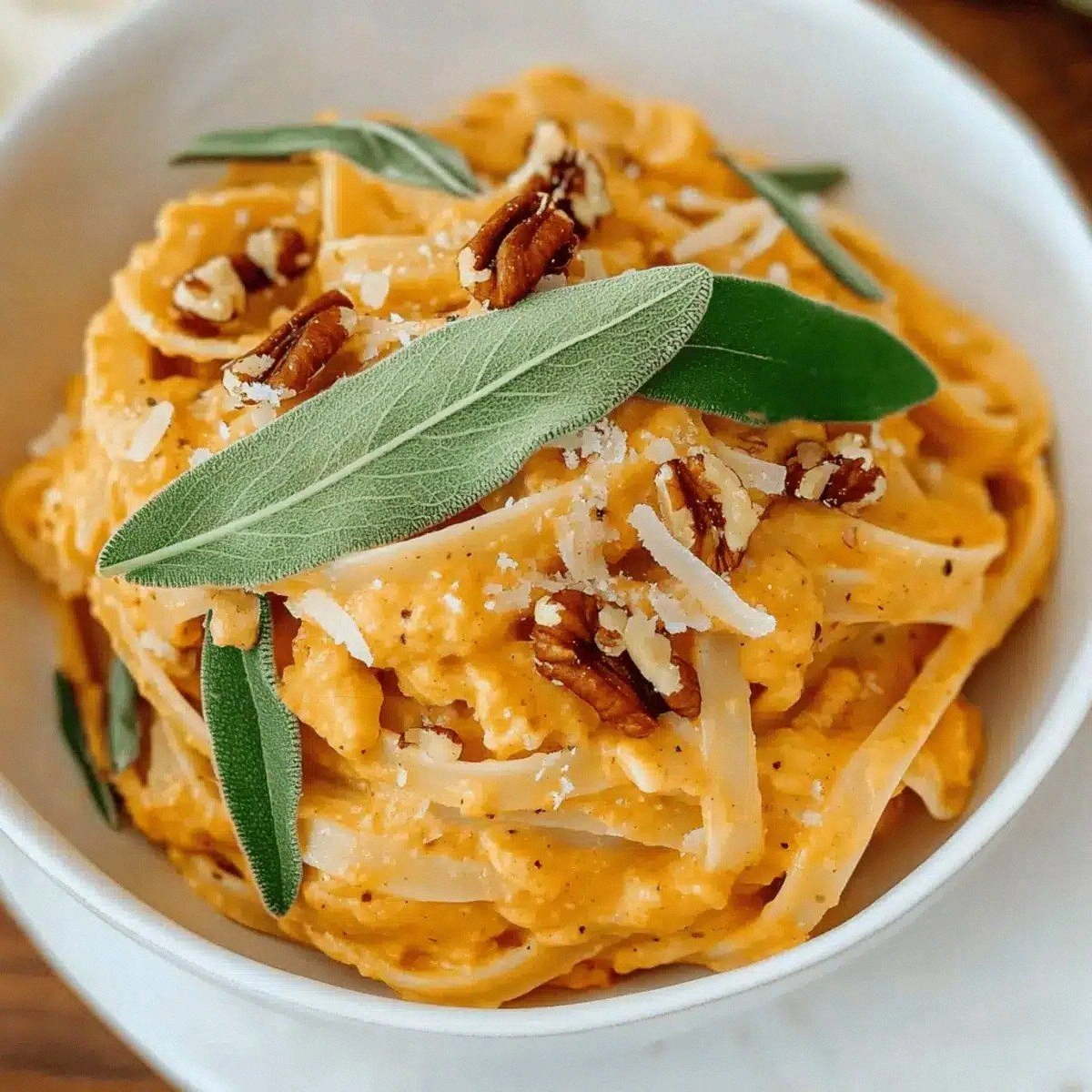
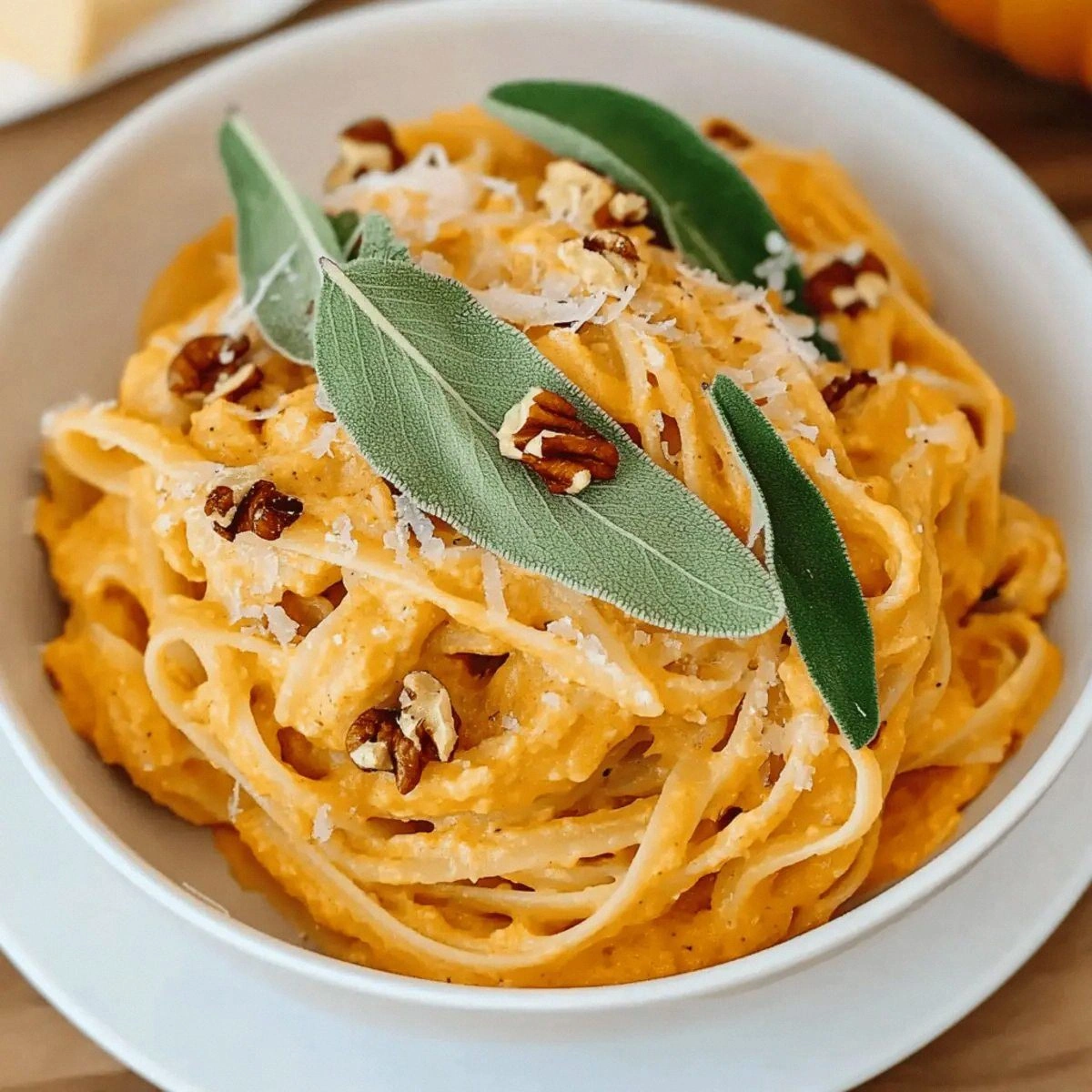
The first thing that hits you is the aroma: earthy sage mingling with sweet pumpkin, a whisper of garlic, and that faint, nutty perfume of toasted walnuts. It’s the kind of scent that makes the whole house feel like a cozy cabin, even if you live in a bustling city apartment. You can hear the faint sizzle of olive oil hitting the pan, a sound that says “we’re about to create magic.” When you finally twirl a forkful of pasta, the sauce clings to each strand like velvet, and the spinach adds a flash of green that looks like a forest after a rainstorm. The texture? Creamy, silky, with just enough bite from the whole‑wheat pasta and a satisfying crunch from the walnuts and pumpkin seeds.
What makes this version truly stand out is the balance of flavors and the speed. Most pumpkin pasta recipes drown the dish in heavy cream, turning it into a cloying dessert‑like mess. I’m here to prove that you can get that rich, autumnal depth using just milk, a splash of white wine vinegar, and a good quality pumpkin purée. The sage is the secret hero, delivering an aromatic punch that cuts through the sweetness and adds a peppery edge. And the best part? You’ll have a plate ready before the first leaf hits the ground, making this the ultimate weeknight hero.
I’m about to walk you through every single step—no vague “cook until done” nonsense. By the end, you’ll wonder how you ever tolerated bland, store‑bought pumpkin pastas. I dare you to taste this and not go back for seconds. Ready? Let’s dive in and make the best version you’ll ever create at home.
What Makes This Version Stand Out
- Flavor Harmony: The sweet pumpkin meets earthy sage, while a touch of white wine vinegar adds brightness, creating a balanced palate that sings.
- Creamy Without Cream: Using milk and pumpkin purée gives a silky texture without the heaviness of heavy cream, keeping the dish light yet indulgent.
- Nutty Crunch: Toasted walnuts and pumpkin seeds provide texture contrast, preventing the sauce from feeling too smooth.
- Whole‑Wheat Goodness: The pasta adds fiber and a hearty bite, making the meal satisfying for both comfort and nutrition.
- Speedy Execution: From start to finish it’s under thirty minutes, perfect for busy weeknights or spontaneous dinner parties.
- Versatile Crowd‑Pleaser: Even picky eaters love the subtle spice of sage and the familiar pumpkin flavor, turning skeptics into fans.
- Make‑Ahead Friendly: The sauce stores beautifully, so you can prep in advance and finish in minutes later.
- Seasonal Star: Pumpkin and sage scream fall, but the dish is adaptable enough for year‑round enjoyment.
Inside the Ingredient List
The Flavor Base
Garlic and olive oil are the foundation, creating that aromatic backdrop you can’t ignore. The three cloves of garlic, minced just enough to release their pungent oils, add a savory depth that balances the pumpkin’s natural sweetness. If you’re out of fresh garlic, a teaspoon of garlic powder works, but you’ll lose that fresh bite. Olive oil, being the conduit for flavor, should be extra‑virgin for its peppery notes; a drizzle of butter at the end can add a luxurious finish if you’re not dairy‑averse.
The Texture Crew
Whole wheat pasta brings a nutty chew that holds the sauce like a sponge. The 8 oz amount is perfect for four servings, giving each plate a generous portion without drowning in carbs. If you prefer a gluten‑free route, try brown rice or quinoa pasta; just be mindful that the sauce may cling differently. The baby spinach is added at the end, wilting just enough to keep its bright color and a slight earthiness that complements the pumpkin.
The Unexpected Star
Toasted pumpkin seeds and walnuts are the surprise guests at this dinner party. The pumpkin seeds add a buttery crunch, while the walnuts bring a slightly bitter, toasted flavor that cuts through the creaminess. If you’re allergic to nuts, substitute with roasted chickpeas for a similar crunch. The key is to toast them just until they’re golden and fragrant—over‑toasting leads to a burnt taste that ruins the dish.
The Final Flourish
Sage, whether fresh or dried, is the aromatic climax. Fresh sage leaves should be stripped of their stems and finely chopped; they release a piney, slightly peppery essence that elevates the entire dish. Dried sage is more concentrated, so use half the amount and crush it between your fingers before adding. Parmesan cheese, added at the very end, melts into the sauce, adding umami and a subtle salty bite. Remember, the cheese should be freshly grated for the best texture.
Everything's prepped? Good. Let's get into the real action…
The Method — Step by Step
Bring a large pot of salted water to a rolling boil. Once boiling, add the 8 oz whole wheat pasta and stir immediately to prevent sticking. Cook for 8‑10 minutes, or until al dente, testing a strand a minute before the package suggests. Drain, reserving a cup of the pasta water, and set the pasta aside. Pro tip: The reserved water will help you achieve the perfect sauce consistency later.
While the pasta cooks, heat 2 tbsp olive oil in a wide skillet over medium heat. Add the minced garlic and let it sizzle for about 30 seconds—watch that golden edge, not the brown. The moment you smell that nutty garlic perfume, you’ll know you’re on the right track. Add the sage (fresh or dried) and let it wilt, releasing its aromatic oils. That sizzle when it hits the pan? Absolute perfection.
Stir in 1 cup canned pumpkin purée, letting it absorb the garlic‑sage mixture for about a minute. The pumpkin should turn a richer amber, and you’ll notice the pan coating in a glossy sheen. Next, pour in 1 cup milk, 1 cup vegetable stock, and 1 tbsp white wine vinegar. The vinegar brightens the sauce, preventing it from feeling flat. Bring the mixture to a gentle simmer, stirring constantly to avoid lumps.
Season with salt and freshly ground pepper to taste. Remember, the Parmesan will add saltiness later, so start light—you can always adjust. Let the sauce simmer for 4‑5 minutes, allowing it to thicken slightly. If it becomes too thick, add a splash of the reserved pasta water; the sauce should coat the back of a spoon without clinging too heavily.
Fold the cooked pasta into the sauce, tossing to ensure every strand is enveloped. Add the 2 cups baby spinach, allowing it to wilt just until it’s glossy and reduced in volume. Sprinkle in ½ cup grated Parmesan, stirring until it melts completely, creating that luxurious silkiness. Taste and adjust seasoning if needed—this is the moment of truth.
Finally, stir in the toasted walnuts and pumpkin seeds, reserving a handful for garnish. The nuts should stay crunchy, providing that satisfying contrast. Serve the pasta hot, garnished with an extra drizzle of olive oil, a pinch of fresh sage leaves, and a generous scattering of the reserved nuts.
Plate each serving with a side of crusty bread (optional) and a glass of crisp white wine if you’re feeling fancy. Sit down, take a bite, and let the flavors transport you to an autumnal forest. That first forkful? It should feel like a warm hug—creamy, nutty, and just a tad peppery. And now the fun part: enjoy the compliments that inevitably follow.
Insider Tricks for Flawless Results
The Temperature Rule Nobody Follows
Keep the heat on medium‑low once the milk enters the pan. High heat can cause the dairy proteins to coagulate, leading to a curdled sauce. By maintaining a gentle simmer, the sauce stays smooth and velvety. A friend once cranked the heat to a high boil and ended up with a grainy mess—lesson learned: patience is key.
Why Your Nose Knows Best
Your sense of smell is the ultimate indicator of flavor development. When the garlic turns golden and the sage releases its fragrance, you’re ready to add the pumpkin. If you can’t smell the earthy notes, give the herbs another 10 seconds. Trusting your nose prevents under‑seasoning and ensures every bite is aromatic.
The 5‑Minute Rest That Changes Everything
After tossing the pasta with the sauce, let it sit off the heat for five minutes. This rest allows the starches to absorb the sauce, creating a cohesive coating. Skipping this step can leave the pasta feeling dry, even if the sauce looks perfect. I’ll be honest—I ate half the batch before anyone else got a chance, but that rest made the leftovers just as amazing.
Walnut Toasting Trick
Toast walnuts in the same pan you’ll use for the sauce. The residual garlic and sage flavor will seep into the nuts, making them taste like they belong in the dish. Keep them moving; they burn fast, turning bitter in seconds. This tiny step upgrades the texture from “nice” to “wow”.
Parmesan Timing
Add Parmesan at the very end, off the heat. This prevents it from clumping and ensures it melts into a silky ribbon. If you add it too early, the sauce can become gritty. The result? A sauce that feels like liquid gold, with an umami punch that lingers on the palate.
Creative Twists and Variations
This recipe is a playground. Here are some of my favorite ways to switch things up:
Spicy Kick
Add a pinch of red pepper flakes or a dash of smoked paprika when you sauté the garlic. The heat cuts through the sweetness of the pumpkin, giving the dish a lively edge that will please heat‑seekers.
Protein Power
Stir in cooked, shredded chicken breast or crisped pancetta for an extra protein boost. The savory meat adds depth and makes the dish suitable for a heartier dinner.
Vegan Version
Swap the Parmesan for a generous sprinkle of nutritional yeast and use olive oil instead of butter. Choose a plant‑based milk (like oat or almond) and ensure the vegetable stock is vegan. The flavors stay intact, and the dish becomes fully plant‑based.
Cheesy Overload
Mix in a half‑cup of ricotta or a dollop of goat cheese right before serving. The extra creaminess takes the sauce to a new level of indulgence—perfect for a cozy weekend brunch.
Herb Medley
Combine sage with a touch of rosemary or thyme for a more complex herb profile. Fresh rosemary adds piney notes, while thyme contributes a subtle earthiness that pairs beautifully with pumpkin.
Storing and Bringing It Back to Life
Fridge Storage
Transfer leftovers to an airtight container and store in the refrigerator for up to three days. The sauce may thicken as it cools; simply reheat gently and stir in a splash of milk or pasta water to restore its silkiness.
Freezer Friendly
Portion the pasta and sauce into freezer‑safe bags or containers, leaving a little headspace for expansion. Freeze for up to two months. When ready to eat, thaw overnight in the fridge, then reheat on the stove over low heat, adding a dash of water to revive the sauce.
Best Reheating Method
The stovetop is king. Warm the pasta in a skillet over medium‑low heat, adding a tablespoon of milk or broth every few minutes. Stir constantly to prevent sticking. This method restores the original creamy texture better than microwave reheating, which can dry out the dish.