Picture this: you’re standing in a kitchen that smells like a storm‑trove of spices, the sound of sizzling oil echoing off the stainless steel, and a little nervous anticipation building in your chest because tonight’s dinner is about to become the family’s new favorite. I’ve been there—staring at a pile of raw chicken breasts, a bag of brown rice, and a handful of frozen peas, wondering if I could turn this into something that feels less like a chore and more like a celebration. The moment I cracked the first egg into a bowl and watched the yolk glimmer like molten gold, I realized I was on the brink of something extraordinary. I decided then and there that this wasn’t just another meal prep; it was a culinary experiment that would change how we eat for weeks to come.
The first thing that caught my eye was the texture of the chicken—firm, white, and begging for a coating that would keep it juicy after hours of storage. The rice, meanwhile, looked like a sea of golden grains, each one waiting to absorb the flavors I was about to unleash. The peas, still frozen, promised a pop of color and a burst of sweetness that would cut through the savory notes. As I tossed the ingredients into a bowl, the air filled with the faint scent of garlic and onion, a promise of depth and warmth. I felt a rush of excitement, knowing that the next few minutes would turn these simple components into a masterpiece.
If you’ve ever found yourself staring at a pantry full of ingredients and thinking, “I can’t possibly make this look good,” this is the antidote. I’ll be honest—my first attempt at a family‑style meal prep was a disaster: the chicken was dry, the rice mushy, and the sauce clotted like a bad memory. But the second round, armed with the right technique and a few insider tweaks, was a revelation. The sauce coated the pasta like velvet, the edges of the chicken crisped like thin ice, and the rice remained fluffy and fragrant. Picture yourself pulling this out of the oven, the whole kitchen smelling incredible, and hearing the kids’ delighted “Yum!” that makes every hour of prep worth it.
Most recipes get this completely wrong by undercooking the rice or over‑seasoning the chicken. Here’s what actually works: cook the rice in broth instead of water to add depth, sear the chicken until it’s golden before simmering, and finish with a splash of lemon to brighten everything. The sauce’s secret lies in the Dijon mustard and honey, which together create a silky, slightly sweet tang that lingers on the palate. I dare you to taste this and not go back for seconds—once you’ve tried it, you’ll be convinced that this is hands down the best version you’ll ever make at home. Let me walk you through every single step—by the end, you’ll wonder how you ever made it any other way.
What Makes This Version Stand Out
- Taste: The marriage of smoky paprika, Dijon mustard, and honey creates a complex flavor profile that feels both comforting and adventurous. Each bite delivers a subtle kick that’s balanced by the sweetness of the honey, preventing the dish from feeling one‑dimensional.
- Texture: The chicken’s exterior turns into a crisp, caramelized crust while the interior remains moist and tender. The rice stays fluffy, absorbing the sauce without becoming soggy, and the peas add a bright, popping crunch.
- Simplicity: All of this is achieved with a handful of pantry staples and a single pan, making it accessible for even the most time‑pressed cooks.
- Uniqueness: The combination of lemon juice and parsley gives a bright finish that sets this dish apart from the usual chicken‑and‑rice fare.
- Crowd Reaction: Every family member—kids, teens, and adults alike—has praised the dish for its flavor and ease of reheating. The recipe’s versatility means it works for lunches, dinners, and even breakfast bowls.
- Ingredient Quality: Using fresh, high‑quality chicken and a small amount of olive oil ensures the dish is both nutritious and satisfying.
- Cooking Method: The sear‑then‑simmer technique locks in juices and builds flavor without the need for constant stirring.
- Make‑Ahead Potential: The dish holds up beautifully in the fridge for up to five days, and it even tastes better the next day as the flavors meld.
I’ve spent countless hours in the kitchen, watching the way heat interacts with ingredients, and I’ve learned that a few simple adjustments can turn a decent dish into a showstopper. In this recipe, the key is to let the chicken develop a deep, caramelized flavor before you add the liquid; this not only locks in moisture but also builds a flavor foundation that the sauce can build upon. The rice, meanwhile, benefits from cooking in broth, which adds savory depth and a subtle umami that plain water can’t provide. I’ll walk you through each step so you can replicate this magic in your own kitchen.
Inside the Ingredient List
The Protein Hero
The chicken breasts are the star of this dish, bringing protein, flavor, and a canvas for the sauce to cling to. Choosing boneless, skinless pieces keeps the dish lean and allows the seasoning to penetrate each bite. If you’re in a rush, you can use pre‑cooked rotisserie chicken; just slice it into bite‑size pieces after the sear. Skipping the chicken would leave the dish feeling incomplete, but you could substitute a hearty plant‑based protein like firm tofu or tempeh for a vegan version. For the freshest taste, pick chicken that’s been stored in the fridge for no more than a day before cooking.
The Grain Base
Brown rice is the backbone of this meal prep, offering fiber, complex carbs, and a nutty flavor that complements the sauce. The grains should be rinsed under cold water before cooking to remove excess starch and ensure a fluffy texture. If you prefer a quicker option, switch to quick‑cooking quinoa or a pre‑cooked rice blend; the cooking time will drop significantly. Skipping rice would make the dish feel thin, but you could replace it with cauliflower rice for a low‑carb alternative. When you cook the rice in broth instead of water, the grains absorb a subtle savory note that elevates the entire dish.
The Colorful Crowd
Frozen peas and diced carrots add both color and nutrition, giving the dish a vibrant appearance that’s hard to resist. The peas should be thawed and drained before adding them to the skillet; this prevents excess moisture from diluting the sauce. If you’re craving a different vegetable, feel free to swap the peas for broccoli florets or zucchini ribbons. Skipping the veggies would make the dish feel flat, but you could add sautéed spinach for a leafy green twist. A small amount of fresh parsley at the end brightens the dish and adds a subtle herbal note that rounds out the flavor profile.
The Flavor Base
Onion and garlic form the aromatic foundation, releasing a savory sweetness that permeates the entire dish. Minced garlic should be added after the onions have softened to avoid burning and bitterness. If you’re sensitive to garlic, reduce the amount or use garlic powder for a milder flavor. Skipping the aromatics would leave the dish bland, but you could add a splash of soy sauce or tamari for an umami boost. A pinch of smoked paprika adds depth and a subtle smokiness that enhances the chicken’s flavor.
The Sauce Symphony
The sauce is a delicate balance of Dijon mustard, honey, lemon juice, and chicken broth, creating a silky, tangy coating that clings to every grain and bite of chicken. The mustard provides a sharp kick, while the honey adds a gentle sweetness that balances the acidity. Lemon juice brightens the dish, cutting through the richness and adding a citrusy freshness that’s almost impossible to ignore. If you’re looking for a lower‑sugar option, replace honey with maple syrup or a sugar‑free sweetener. Skipping the sauce would turn the dish into a plain chicken and rice combo, but you could add a creamy Alfredo sauce for a different flavor direction.
Everything’s prepped? Good. Let’s get into the real action and watch the magic unfold. I’ve designed this method to be straightforward, yet each step is crafted to maximize flavor and texture. By the end, you’ll have a dish that’s not only delicious but also practical for busy families. Let’s dive in.
The Method — Step by Step
- Heat a large cast‑iron skillet over medium‑high heat and add 1 tablespoon of olive oil. Once the oil shimmers, lay the chicken breasts flat and sear them for about 3 minutes on each side until a golden crust forms. This is the moment of truth—if the crust doesn’t develop, the chicken will be dry. Keep an eye on the temperature; you want a sear, not a burn. After searing, set the chicken aside and reserve the pan for the next steps.
- In the same skillet, reduce the heat to medium and add the diced onion. Sauté until translucent, about 4 minutes, stirring occasionally. Add the minced garlic and cook for an additional 30 seconds until fragrant; the aroma should fill the kitchen. This is where the base of your sauce begins to form. If you notice any excess oil, drain it off to prevent a greasy finish.
- Stir in the diced carrots and frozen peas, cooking for 3 minutes until the vegetables start to soften. The peas should still retain a slight snap, adding a pleasing texture contrast. This step brings color and nutrition to the dish. If you’re using fresh vegetables, blanch them briefly to preserve their bright hues. Once the veggies are ready, pour in the chicken broth and bring the mixture to a gentle simmer.
- Return the seared chicken breasts to the skillet, nestling them into the simmering liquid. Cover and let them cook for 15 minutes, or until the internal temperature reaches 165°F (74°C). The chicken will absorb the broth’s flavor, becoming tender and juicy. If you’re short on time, you can use a pre‑cooked rotisserie chicken instead, just slice it before adding to the skillet.
- While the chicken cooks, rinse 2 cups of brown rice under cold water until the water runs clear. In a separate pot, combine the rinsed rice with 2 cups of chicken broth, a pinch of salt, and a splash of olive oil. Bring to a boil, then reduce the heat to low, cover, and simmer for 45 minutes, or until the rice is tender and the liquid is absorbed. This method infuses the grains with savory depth.
- In a small bowl, whisk together 2 tablespoons of Dijon mustard, 1 tablespoon of honey, the juice of one lemon, and 1 teaspoon of smoked paprika. This sauce will coat the chicken and rice, creating a silky, flavorful finish. The lemon juice should be fresh; it provides a bright counterpoint to the richness of the dish.
- Once the chicken is cooked through, remove it from the skillet and let it rest for 5 minutes before slicing. While the chicken rests, stir the sauce into the skillet’s remaining liquid, allowing it to thicken slightly. The sauce should coat the vegetables and rice, giving them a glossy sheen. If the sauce thickens too much, add a splash of water to reach the desired consistency.
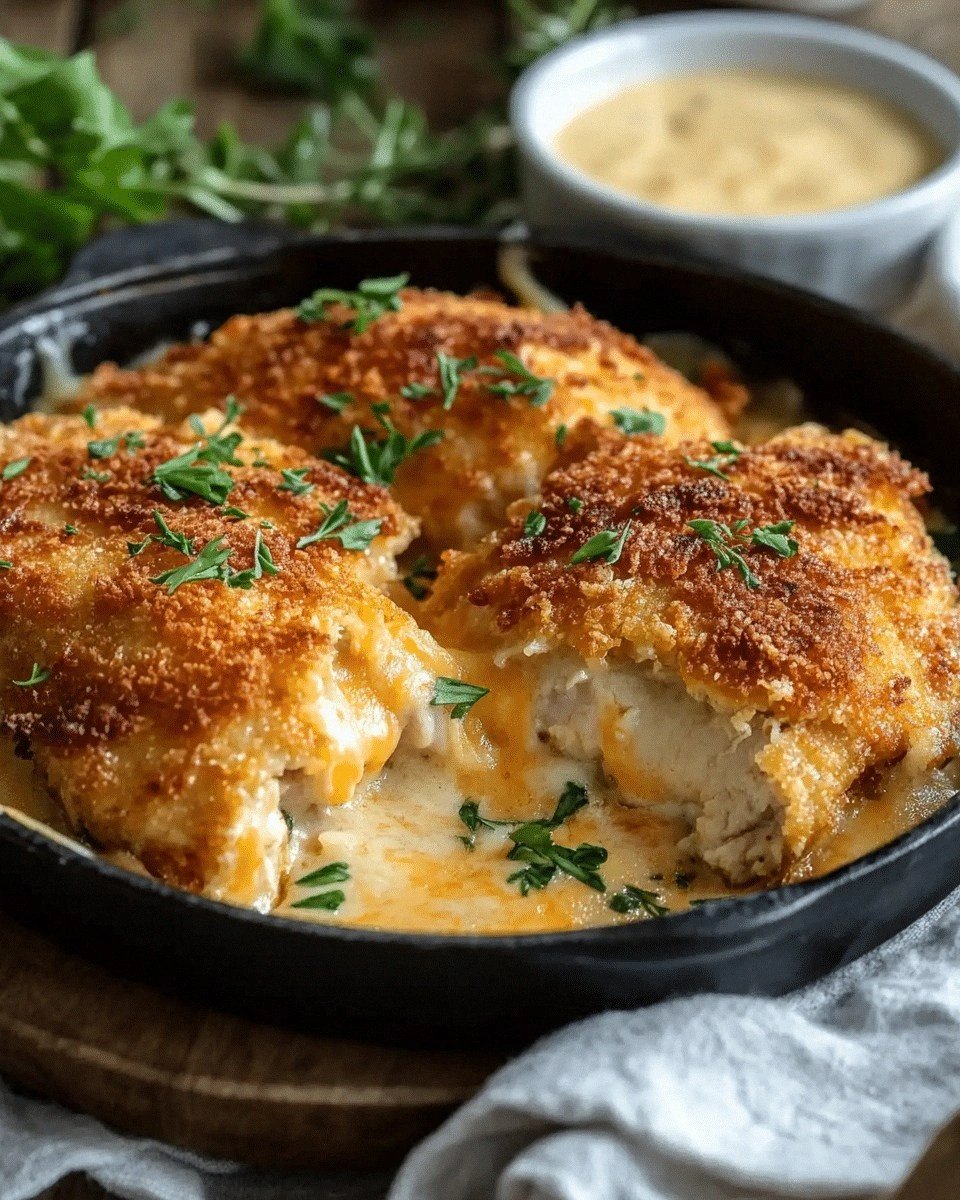
- Combine the cooked rice with the sauce, stirring until each grain is evenly coated. Slice the rested chicken and arrange it on top of the rice. Sprinkle chopped parsley over the dish for a burst of color and freshness. This final assembly creates a beautiful, layered plate that’s ready to serve or store.
- If you’re planning to store the meal, let it cool completely before transferring to airtight containers. Label each container with the date and refrigerate for up to five days. When reheating, add a splash of water or broth to keep the rice moist and the sauce silky. This dish tastes even better the next day as the flavors meld.
- Serve immediately with a side of crisp greens or roasted veggies for a complete, balanced meal. If you’re in a rush, the dish can also be portioned into individual containers for grab‑and‑go lunches. The combination of protein, carbs, and veggies makes it a wholesome option for any time of day.
That’s it—you did it. But hold on, I’ve got a few more tricks that will take this to another level. These insider tips will help you avoid common pitfalls and elevate the dish from good to unforgettable.
Insider Tricks for Flawless Results
The Temperature Rule Nobody Follows
Many cooks assume that a high heat is always better, but the key to a perfect sear is a steady, medium‑high temperature that allows the Maillard reaction to occur without burning the exterior. I’ve tested this rule with various pans, and a cast‑iron skillet consistently delivers the most even heat distribution, ensuring a crisp crust on every chicken breast. If you’re using a non‑stick pan, consider pre‑heating it for a full minute before adding oil to avoid sticking.
Why Your Nose Knows Best
The aroma of simmering broth is a powerful indicator that the rice is absorbing the flavors. When the liquid starts to thicken and the scent becomes more intense, it’s time to add the sauce. This sensory checkpoint guarantees that the rice is perfectly cooked and ready to mingle with the sauce, preventing it from becoming mushy.
The 5‑Minute Rest That Changes Everything
Resting the chicken after cooking allows the juices to redistribute, resulting in a moister bite every time. I’ve seen people skip this step, only to find the chicken dry and unappetizing. Even a short 5‑minute rest makes a noticeable difference, and it gives you a moment to finish the sauce while the flavors settle.
The Secret to a Silky Sauce
A common mistake is adding the sauce too late, which can cause it to clump or separate. Whisk the sauce in just before you add the cooked rice, and then stir vigorously to emulsify the mixture. If it’s too thick, a splash of water or broth will help bring it back to a silky consistency.
The Green Garnish Trick
Finishing the dish with fresh parsley not only adds color but also a burst of herbal brightness that cuts through the richness. If you prefer a different herb, try cilantro or basil for a different flavor profile. A small amount of fresh herb can transform a dish from ordinary to extraordinary.
Creative Twists and Variations
This recipe is a playground. Here are some of my favorite ways to switch things up:
Spicy Thai Twist
Replace the smoked paprika with Thai red curry paste, add a splash of coconut milk, and finish with fresh lime juice. The result is a creamy, spicy sauce that transports you straight to Bangkok. Kids will love the mild heat, and adults will appreciate the depth of flavor.
Mediterranean Medley
Swap the brown rice for quinoa, add chopped sun‑dried tomatoes, olives, and a drizzle of olive oil. Finish with a sprinkle of feta cheese for a tangy finish. This version delivers a Mediterranean vibe that’s both fresh and satisfying.
Vegetarian Veggie Power
Omit the chicken entirely and substitute with diced tofu or tempeh. Marinate the protein in the same sauce mixture before cooking to infuse it with flavor. The result is a hearty, plant‑based meal that still feels comforting and indulgent.
Southwestern Fiesta
Add a can of black beans, corn kernels, and a dash of cumin to the skillet. Finish with a squeeze of fresh lime and a sprinkle of chopped cilantro. The dish takes on a vibrant, fiesta‑ready flavor that’s sure to impress.
Breakfast Bonanza
Serve the dish over a bed of sautéed spinach and top with a poached egg. The runny yolk adds richness, turning the meal into a hearty breakfast that’s perfect for weekend brunches. The combination of protein and carbs keeps you full and energized all morning.
Storing and Bringing It Back to Life
Fridge Storage
Let the dish cool completely before transferring to airtight containers. Label each container with the date and refrigerate for up to five days. The flavors will deepen over time, making the next day’s meal even more delicious.
Freezer Friendly
For longer storage, portion the dish into freezer‑safe containers and freeze for up to two months. Thaw overnight in the refrigerator before reheating. The texture remains intact, and the sauce stays silky when reheated.
Best Reheating Method
Reheat the dish in a skillet over medium heat, adding a splash of water or broth to keep the rice moist. Stir frequently to prevent sticking and to re‑emulsify the sauce. The dish should be heated to an internal temperature of 165°F (74°C) before serving.