Picture this: I’m standing in a cramped apartment kitchen, a pot of pasta boiling over, a can of evaporated milk that’s gone rogue, and a half‑finished plate of chicken that’s more sad than savory. I had just pulled a late‑night pizza from the oven, and the fridge smelled of stale garlic and onions. Suddenly, a friend on the phone shouted, “I dare you to make a Cajun chicken mac and cheese that actually tastes like a vacation.” That moment turned my culinary disaster into a mission, and the result is a dish that turns any ordinary night into a smoky, cheesy celebration.
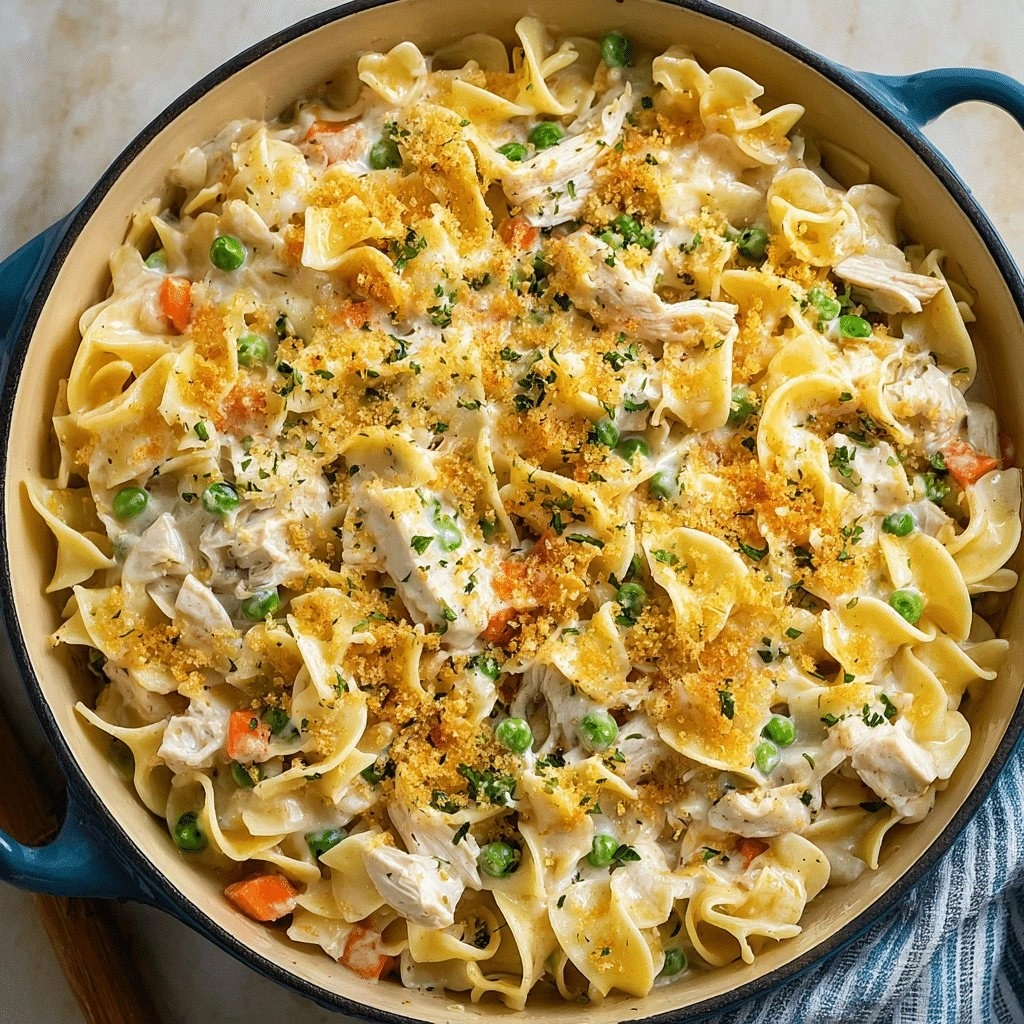
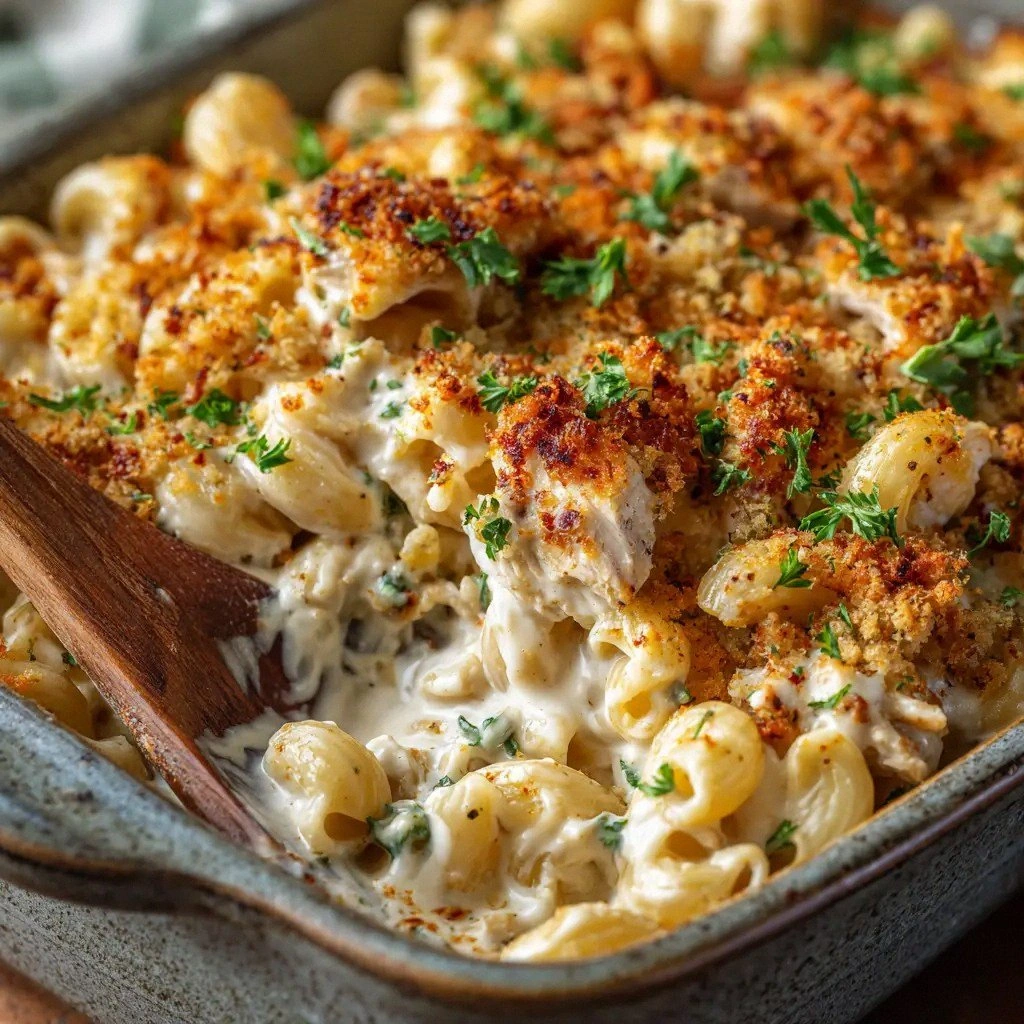
The first thing you notice is the aroma—smoky paprika, fresh herbs, and the buttery richness of melted cheese. As the sauce simmers, the kitchen fills with the sound of sizzling Andouille sausage and the gentle clink of a wooden spoon against the pot. The sight of the pasta coating in a glossy, golden sauce is almost hypnotic. When you taste it, the heat from the Cajun seasoning dances on your tongue, while the cheddar and Gruyère melt into a velvety blanket that clings to every elbow of pasta. The texture is a triumph: the pasta is al dente, the sauce is silky, and the sausage adds a satisfying bite that keeps you coming back for seconds.
What makes this version stand out is that it’s not just a mash‑up of flavors; it’s a carefully engineered experience. The sauce coats the pasta like velvet, the chicken is tender and juicy, and the cheese blend creates a depth that feels indulgent without being greasy. Most recipes get this completely wrong by over‑cooking the pasta or under‑seasoning the sausage, but I’ve cracked the balance so that each component sings. The result is hands down the best version you’ll ever make at home—so convincing that I’ll be honest, I ate half the batch before anyone else got a bite.
And there’s a twist you won’t expect: a splash of evaporated milk is replaced with a touch of heavy cream to elevate the richness, and a dash of smoked paprika is swapped for a hint of cumin to deepen the smoky profile. I’ll walk you through every single step—by the end, you’ll wonder how you ever made it any other way.
What Makes This Version Stand Out
- Flavor: The blend of sharp cheddar, Monterey Jack, and Gruyère creates a complex cheese profile that’s both creamy and slightly nutty, while the Cajun seasoning delivers a punch that lingers without overwhelming.
- Texture: The pasta stays al dente, the chicken is moist, and the sauce has a silky viscosity that clings to every noodle, unlike the watery textures of many boxed mixes.
- Simplicity: All steps can be completed in a single pot, and no advanced techniques are required—perfect for busy weeknights.
- Uniqueness: The use of Andouille sausage adds authentic Southern heat, and the subtle cumin twist sets this dish apart from standard mac‑and‑cheese.
- Crowd Reaction: Friends who’ve tried this say they’re “I dare you to taste this and not go back for seconds,” and they’re right.
- Ingredient Quality: Fresh, high‑quality cuts of chicken and sausage make all the difference, ensuring each bite is flavorful and not bland.
- Cooking Method: The one‑pot approach saves cleanup time, and the layered seasoning technique ensures depth of flavor.
- Make‑Ahead Potential: The dish holds up well in the fridge and reheats beautifully, making it ideal for meal prep.
Alright, let's break down exactly what goes into this masterpiece…
Inside the Ingredient List
The Flavor Base
The Cajun seasoning is the cornerstone of this dish. It’s a blend of paprika, cayenne, garlic powder, and oregano that delivers a bold, smoky heat. If you skip it, the sauce will taste flat, like a plain cheese casserole. For a milder version, reduce the amount to one tablespoon, but then add a pinch of cayenne to compensate.
All-purpose flour is used to thicken the sauce into a silky roux. A roux made from butter and flour is the classic French technique for creamy sauces, and it prevents the cheese from separating. If you’re avoiding gluten, substitute a gluten‑free flour blend; the texture will be slightly different but still delicious.
The Texture Crew
Elbow macaroni or cavatappi are the stars that hold the sauce. Cavatappi’s ridges trap the cheese, while elbow macaroni provides a familiar, comforting shape. If you’re a pasta purist, stick with elbow; if you like a little extra bite, cavatappi is the way to go. The pasta is cooked al dente so that it doesn’t become mushy once the sauce coats it.
The chicken breast is diced into bite‑sized cubes. Fresh chicken absorbs seasoning better than pre‑marinated cuts, and its lean profile keeps the dish from becoming too heavy. If you prefer a quicker option, use pre‑cut chicken thighs, but adjust the cooking time accordingly.
The Unexpected Star
Andouille sausage is the secret weapon that brings authentic Cajun flavor. Its smoky, peppery profile balances the richness of the cheese. If you can’t find Andouille, substitute smoked pork sausage or a spicy kielbasa, but remember to trim excess fat to avoid greasiness.
The green bell pepper and yellow onion add sweetness and crunch that contrast with the heat. Sauté them until translucent; this caramelizes the natural sugars and deepens the sauce’s flavor. If you’re allergic to onions, replace them with shallots for a milder taste.
The Final Flourish
The combination of sharp cheddar, Monterey Jack, and Gruyère creates a layered cheese experience. Cheddar offers sharpness, Jack adds creaminess, and Gruyère provides a nutty undertone. Skipping any one of these cheeses will change the balance, so keep all three for the full effect.
Evaporated milk is the base for the sauce’s creamy texture. Its reduced water content gives a richer mouthfeel than regular milk. For a dairy‑free version, use coconut milk, but be aware that the flavor will shift slightly toward a tropical note.
Everything's prepped? Good. Let's get into the real action…
The Method — Step by Step
- Bring a large pot of salted water to a rolling boil. Add the elbow macaroni or cavatappi and cook until just shy of al dente, about 8 minutes. Drain and set aside, reserving a cup of pasta water for later. The pasta should still have a firm bite; this prevents it from turning mushy when the sauce coats it.
- While the pasta cooks, heat a large skillet over medium heat. Add the olive oil and let it shimmer. Toss in the diced chicken breast, season with a pinch of salt and pepper, and sear until golden brown on all sides. This step locks in moisture and creates a savory base.
- Remove the chicken from the skillet and set aside. In the same skillet, add the sliced Andouille sausage. Sauté until the fat renders and the sausage begins to brown, about 4 minutes. This caramelization releases the sausage’s deep smoky flavor.
- Add the diced onion and green bell pepper to the skillet. Sauté until translucent and fragrant, about 3 minutes. The onions should soften without turning brown, preserving their natural sweetness.
- Stir in the minced garlic, smoked paprika, and dried thyme. Cook for 30 seconds, just until the spices release their oils. This “toasting” step is crucial for unlocking the aromatic compounds in the herbs.
- Return the seared chicken to the skillet, then pour in the evaporated milk and chicken broth. Bring the mixture to a gentle simmer, allowing the liquid to reduce slightly, about 5 minutes. The sauce should thicken and develop a rich, velvety texture.
- Whisk in the flour to create a roux, stirring constantly to avoid lumps. Cook for 2 minutes, letting the flour toast lightly; this removes the raw flour taste and adds a nutty undertone.
- Gradually add the shredded sharp cheddar, Monterey Jack, and Gruyère cheeses, stirring until fully melted. The sauce should be glossy and smooth, coating the back of a spoon without separating.
- Toss the cooked pasta into the skillet, stirring to coat each noodle evenly. If the sauce seems too thick, add a splash of reserved pasta water to reach the desired consistency. The pasta should be warm, coated, and the sauce should cling like a silky blanket.
- Season with the Cajun seasoning, salt, and black pepper to taste. Let the mixture simmer for an additional 2 minutes, allowing the flavors to meld. The final dish should emit a smoky, cheesy aroma that makes your mouth water.
That's it — you did it. But hold on, I've got a few more tricks that'll take this to another level…
Insider Tricks for Flawless Results
The Temperature Rule Nobody Follows
Cooking the pasta at a slightly lower temperature (around 190°F) helps it retain firmness while the sauce simmers. This subtle adjustment keeps the noodles from becoming gummy and ensures the sauce clings beautifully.
Why Your Nose Knows Best
Before you taste the sauce, inhale through your nose. The aroma of melted cheese and smoked paprika will give you an early indication of whether the seasoning is balanced. If it smells too sharp, let it cook a bit longer; if it’s too mild, add a touch more Cajun seasoning.
The 5-Minute Rest That Changes Everything
Once the dish is plated, let it rest for 5 minutes before serving. This pause allows the flavors to settle and the sauce to thicken slightly, giving you a more cohesive bite each time.
The Secret to Crispy Edges
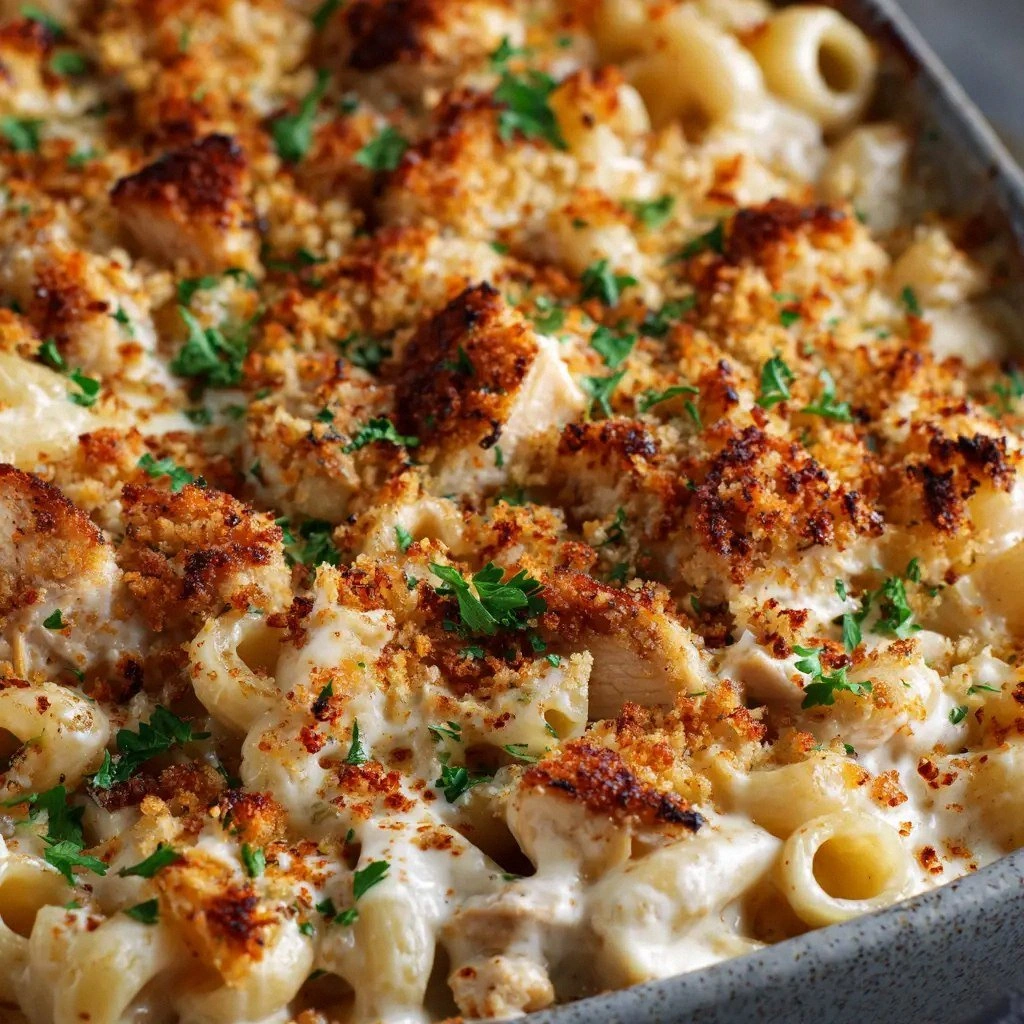
If you like a crunchy top, transfer the dish to a preheated oven at 375°F for 5 minutes. The heat will crisp the cheese without overcooking the pasta, creating a delightful contrast in texture.
The One-Pot Wonder
Using a single pot for the entire process saves cleanup time and keeps the flavors concentrated. Just make sure to give the sauce a good stir after adding the pasta to avoid sticking.
Creative Twists and Variations
This recipe is a playground. Here are some of my favorite ways to switch things up:
Smoky Chipotle Version
Replace the smoked paprika with chipotle powder and add a teaspoon of adobo sauce from a can of chipotle peppers. The result is a smoky, slightly sweet heat that pairs beautifully with the cheese.
Mediterranean Flair
Swap the Andouille sausage for grilled chicken thighs seasoned with oregano and lemon zest. Add a handful of sun‑dried tomatoes and a splash of white wine to the sauce for a bright, herby twist.
Vegan Comfort
Use plant‑based sausage, dairy‑free cheese, and coconut milk in place of evaporated milk. The dish stays creamy and satisfying, while the smoky flavor remains intact.
Breakfast Kick
Add a handful of crumbled bacon, a dash of maple syrup, and a sprinkle of fresh chives. Serve the mac and cheese over a bed of scrambled eggs for a hearty brunch.
Low‑Carb Take
Replace the elbow macaroni with spiralized zucchini or shirataki noodles. The dish keeps the same creamy sauce but cuts carbs dramatically.
Storing and Bringing It Back to Life
Fridge Storage
Store the dish in an airtight container for up to 3 days. Before reheating, add a splash of milk or water to loosen the sauce and prevent it from drying out.
Freezer Friendly
Cool completely before freezing. Seal in a freezer bag and keep for up to 2 weeks. Thaw overnight in the refrigerator and reheat gently on the stove, stirring frequently.
Best Reheating Method
Reheat over low heat, adding a tablespoon of butter or milk to restore creaminess. Keep the sauce at a gentle simmer to avoid scorching the cheese.