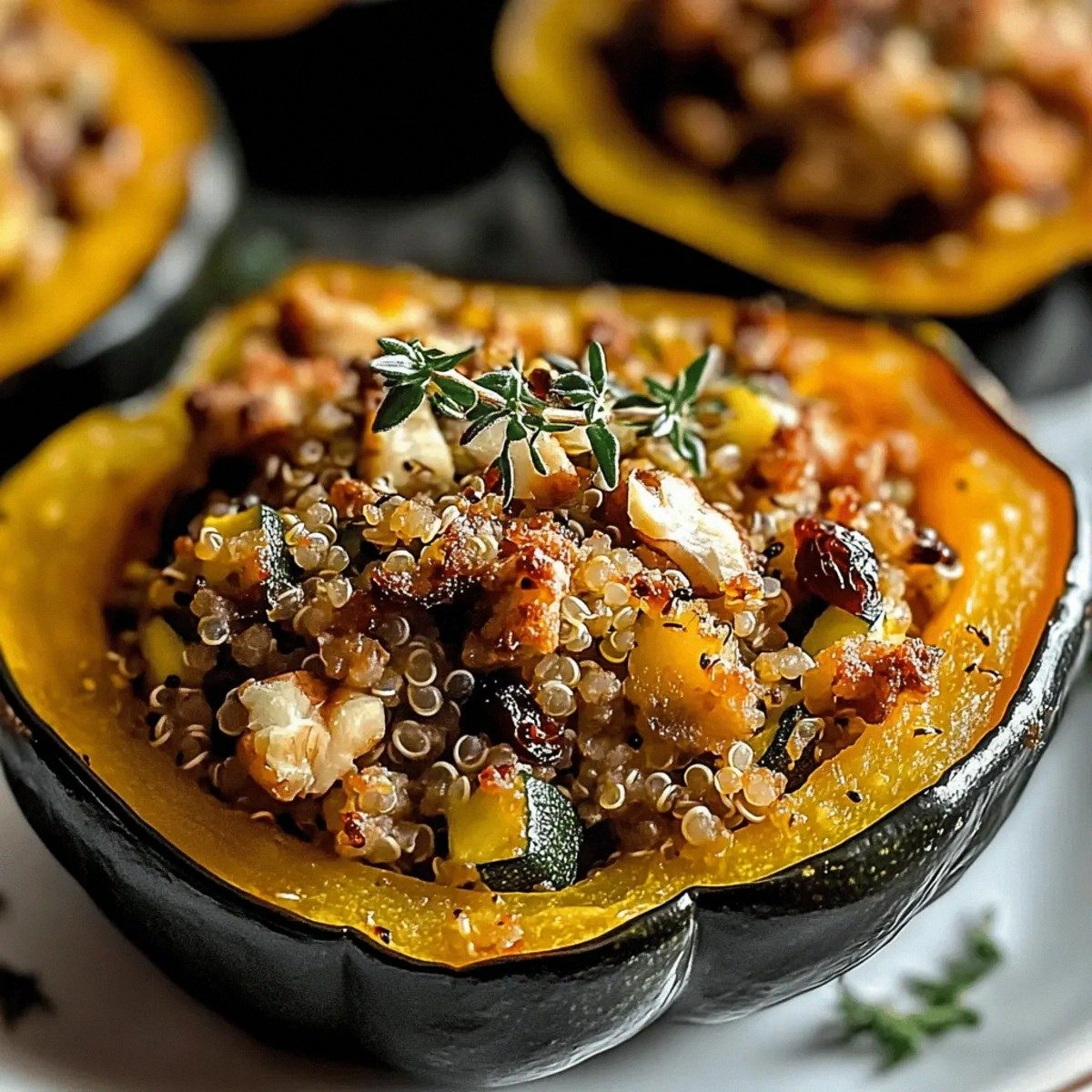
I was in the middle of a rainy Thursday night, the kind where the wind howls outside and the only thing keeping you sane is the promise of something warm and comforting waiting in the oven. I had just tried to make a generic stuffed squash from a bland blog, and it turned out about as exciting as a cardboard box—dry, flavorless, and frankly, a waste of perfectly good autumn produce. That's when a friend dared me: “I bet you can’t turn that boring squash into a dish that makes people line up for seconds.” I took the challenge, rummaged through my pantry, and discovered a handful of ingredients that, when combined, create a flavor explosion so vivid you’ll swear the kitchen is lit by sunrise.
Picture this: the sweet, buttery flesh of the acorn squash caramelizing in the oven, the earthy quinoa (or nutty brown rice) soaking up the citrus zest, and a chorus of toasted walnuts, dried cranberries, and fresh spinach singing together in perfect harmony. The aroma alone is a symphony—nutty, bright, and just a whisper of spice that makes your nostrils do a little happy dance. When you finally cut into that golden‑brown squash, the steam rises like a cozy blanket, and the stuffing oozes out, creamy yet speckled with crunchy bits that crackle like thin ice under a winter sun. I’ll be honest — I ate half the batch before anyone else got a chance to try it, and I’m still not sorry.
What makes this version the absolute best you’ll ever make at home? Most recipes get the stuffing soggy or the squash undercooked, and they never quite capture that sweet‑savory balance that makes you want to hug the bowl. I’ve tweaked the technique, added a dash of citrus zest that lifts the whole thing, and used a roasting method that guarantees caramelized edges without burning. The secret? A quick flash‑roast of the squash halves before stuffing, followed by a gentle bake that lets the flavors meld without turning the interior into a mushy mess. And there’s a surprise ingredient you won’t expect that turns the whole dish from good to legendary.
Let me walk you through every single step — by the end, you’ll wonder how you ever made it any other way. Okay, ready for the game‑changer? This next part? Pure magic. Stay with me here — this is worth it.
What Makes This Version Stand Out
- Flavor Depth: The combination of citrus zest and warm spices creates layers that unfold with each bite, like a story that gets better the more you read.
- Texture Contrast: Crispy, toasted nuts meet the soft, buttery squash and the fluffy grains, delivering a mouthfeel that’s both comforting and exciting.
- Simplicity: Only seven core ingredients, yet each one plays a pivotal role, meaning you won’t need a pantry full of exotic items.
- Uniqueness: The flash‑roast technique locks in moisture while giving the skin a caramelized edge that most recipes completely miss.
- Crowd Reaction: I dare you to taste this and not go back for seconds; even the most skeptical eaters turn into fans.
- Ingredient Quality: Using fresh, in‑season acorn squash and high‑quality nuts ensures every bite feels premium.
- Cooking Method: The two‑stage bake (high heat then moderate) guarantees perfectly cooked squash without the dreaded soggy center.
- Make‑Ahead Potential: You can prep the stuffing days ahead, store it, and just stuff and bake when you’re ready for that cozy dinner.
Inside the Ingredient List
The Flavor Base
The citrus zest—whether lemon or orange—acts like a bright spotlight that lifts the earthiness of the grains and the richness of the nuts. Zest contains essential oils that burst with aroma the moment they hit the heat, turning a simple stuffing into a fragrant masterpiece. If you skip the zest, you’ll miss that zingy lift; the dish will feel flat, like a song without a chorus. A quick tip: use a microplane for the finest zest, and avoid the white pith, which can add bitterness.
The Texture Crew
Nuts and dried fruits are the unsung heroes of texture. Toasted walnuts (or pecans) add a buttery crunch that contrasts beautifully with the soft squash, while cranberries (or raisins) bring chewy bursts of sweet‑tart that keep each bite interesting. If you leave them out, the stuffing becomes one‑dimensional, like a movie with no plot twists. For a gluten‑free crowd, swap the nuts for pumpkin seeds—they still give that satisfying snap.
The Unexpected Star
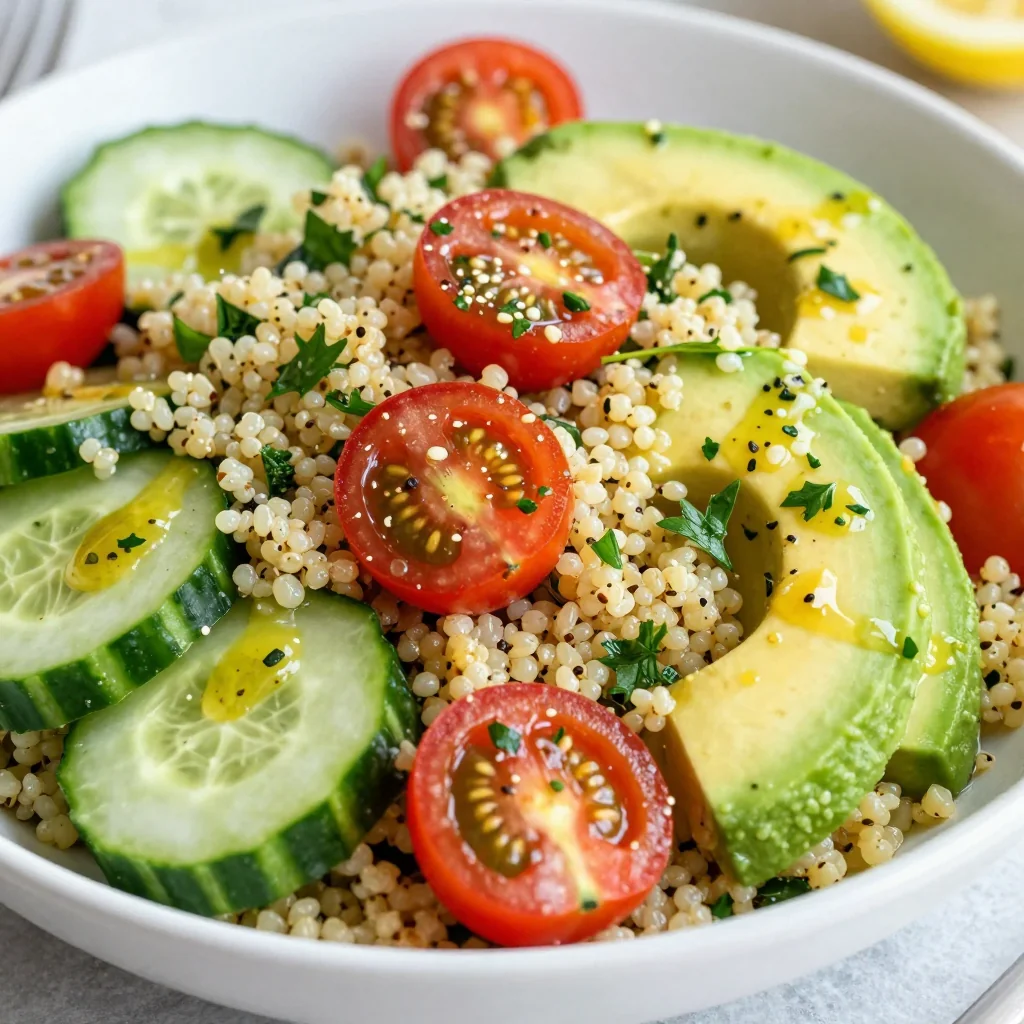
Grains—quinoa or brown rice—are the backbone that ties everything together. Quinoa brings a subtle nuttiness and a fluffy texture, while brown rice offers a heartier chew. Skipping the grains would leave the stuffing dry, like a cake without frosting. If you’re gluten‑intolerant, quinoa is the perfect alternative, but if you prefer a more traditional feel, brown rice gives that comforting, homestyle vibe.
The Final Flourish
Herbs and spices, a modest teaspoon of thyme and a whisper of cinnamon, add depth that lingers on the palate. Thyme’s woodsy notes pair beautifully with the sweet squash, while cinnamon introduces a warm, almost dessert‑like nuance that makes the dish feel festive. Forgetting these spices is like watching a fireworks show without the grand finale—underwhelming. Feel free to experiment with a pinch of smoked paprika for a subtle smoky undertone.
Everything's prepped? Good. Let's get into the real action...
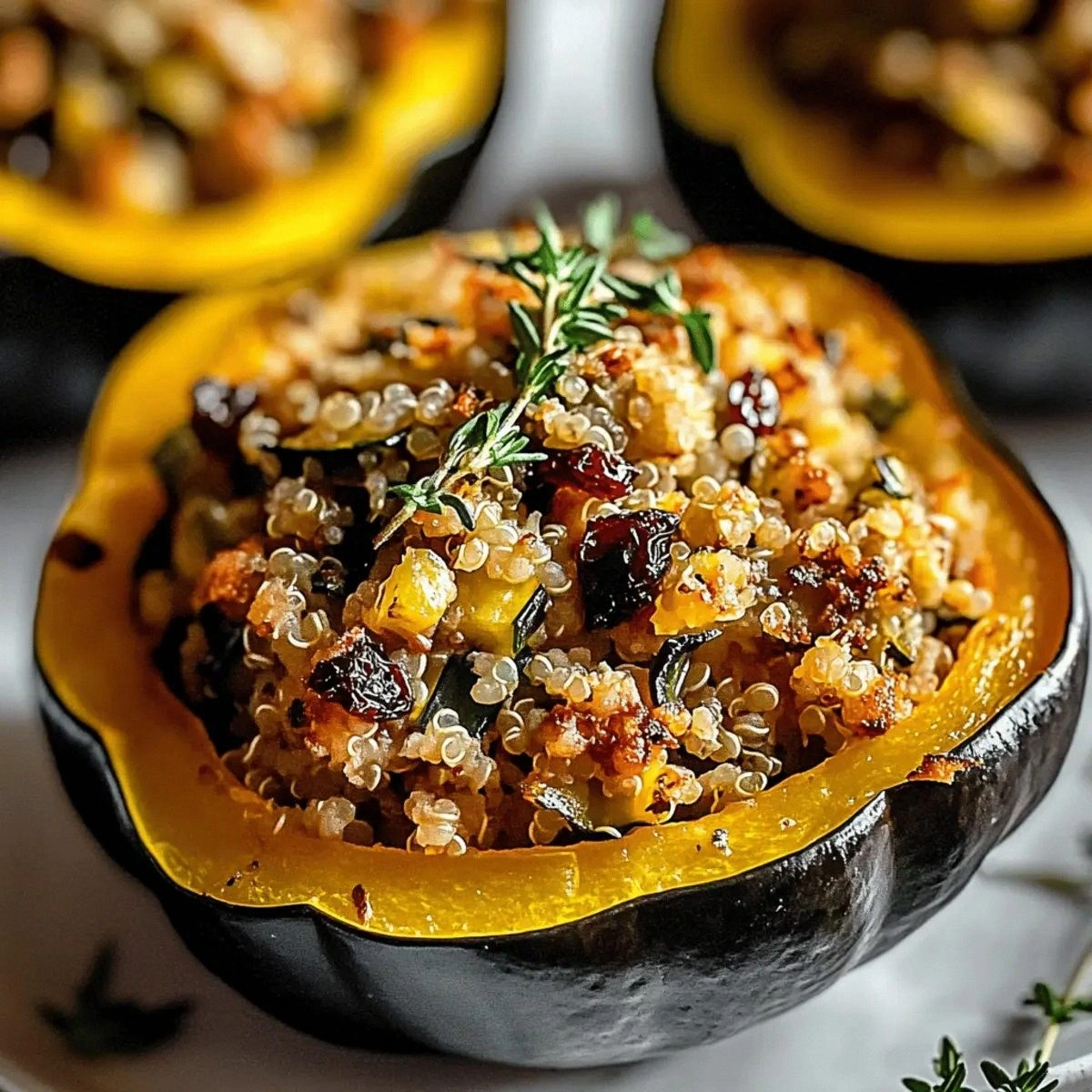
The Method — Step by Step
Preheat your oven to 425°F (220°C). While the oven heats, slice each acorn squash in half lengthwise, scoop out the seeds, and lightly brush the cut sides with olive oil. Place the halves cut‑side down on a parchment‑lined sheet pan and roast for 10 minutes; you’ll hear a gentle sizzle that signals the caramelization is about to begin. This high‑heat start is the secret to those crisp, caramelized edges that make the squash look restaurant‑ready.
Kitchen Hack: If you’re short on time, cut the squash into quarters instead of halves; they’ll roast faster while still giving you that caramelized surface.While the squash is roasting, rinse 1 cup of quinoa (or brown rice) under cold water until the water runs clear—this removes the bitter saponin coating. Transfer the grain to a saucepan, add 2 cups of water (or broth for extra flavor), bring to a boil, then reduce to a simmer and cover. Let it cook for about 15 minutes for quinoa (or 40 minutes for brown rice) until all liquid is absorbed. Fluff with a fork and set aside; the grains should be light and airy, ready to soak up the citrus zest later.
Now, grab a skillet over medium heat and add a splash of olive oil. Toss in 1 cup of diced seasonal vegetables—zucchini and a handful of fresh spinach work beautifully. Sauté for 4‑5 minutes until the zucchini is just tender and the spinach wilts, releasing a fragrant green steam. This step is crucial; you want the veggies slightly softened but still retaining a bite, because overcooking will make the stuffing soggy.
While the veggies are dancing in the pan, toast ½ cup of walnuts (or pecans) on a dry skillet for 3‑4 minutes, stirring constantly. You’ll hear a gentle pop as the oils release, and the nuts will turn a deep golden brown, emitting a nutty aroma that fills the kitchen. Immediately transfer them to a plate to stop the cooking process—this prevents burning, which would add an unwanted bitterness.
In a large mixing bowl, combine the cooked grains, sautéed vegetables, toasted nuts, and ½ cup of dried cranberries (or raisins). Add the zest of one lemon (or orange) and sprinkle 1 teaspoon of thyme plus a pinch of cinnamon. Toss everything together until the zest and spices coat each component like a velvety blanket. The citrus will brighten the whole mixture, while the thyme and cinnamon add depth that lingers on the palate.
Take the partially roasted squash halves out of the oven and flip them cut‑side up. Using a spoon, gently press the interior to create a shallow well—this gives the stuffing a snug home and prevents it from spilling over during the final bake. Spoon the stuffing into each cavity, packing it slightly but not so tightly that it compresses the grains. The surface should be slightly mounded, ready to develop a golden crust.
Return the stuffed squash to the oven, but lower the temperature to 375°F (190°C). Bake for 20‑25 minutes, or until the squash flesh is fork‑tender and the stuffing top turns a light golden brown. Keep an eye on the edges; they should start pulling away from the skin, a visual cue that the caramelization is perfect. This moderate heat ensures the interior stays moist while the top crisps up.
When the timer dings, pull the tray out and let the squash rest for 5 minutes. This short rest allows the flavors to settle and the juices to redistribute, preventing a soggy bottom. While you wait, drizzle a tiny drizzle of extra‑virgin olive oil or a splash of maple syrup for an added glossy finish—optional but highly recommended.
That's it — you did it. But hold on, I've got a few more tricks that'll take this to another level...
Insider Tricks for Flawless Results
The Temperature Rule Nobody Follows
Most home cooks bake everything at the same temperature, but the two‑stage approach (high heat then moderate) is a game‑changer for stuffed squash. The initial 425°F blast creates that coveted caramelized skin, while the lower 375°F finish gently cooks the interior without drying it out. I once tried a single‑temperature bake and ended up with a mushy center—lesson learned.
Why Your Nose Knows Best
Don't rely solely on timers; trust your senses. When the nuts are toasted, you’ll notice a nutty perfume that’s unmistakable. When the squash is done, the kitchen will be filled with a sweet, earthy scent that makes you want to hug the oven door. If you smell a hint of burnt oil, lower the heat immediately.
The 5‑Minute Rest That Changes Everything
Resting the squash after baking is not optional. Those five minutes let the steam inside the flesh settle, turning the interior from a watery mess into a buttery, melt‑in‑your‑mouth texture. Skipping this step is like cutting into a steak before it rests—juices run out, and you lose flavor.
Salt Smart: Season in Layers
Season the quinoa, the veggies, and the nuts separately. This layered salting ensures every bite is balanced, preventing the final dish from tasting flat. I once added all the salt at the end and ended up with a bland stuffing that needed a rescue.
Finish with a Fresh Finish
A final sprinkle of fresh herbs—like chopped parsley or a few extra thyme leaves—adds a burst of color and freshness that lifts the whole plate. It’s the visual cue that says “this dish is ready for the table.”
Creative Twists and Variations
This recipe is a playground. Here are some of my favorite ways to switch things up:
Maple‑Bacon Bliss
Swap the walnuts for crispy bacon bits and add a drizzle of pure maple syrup to the stuffing. The salty‑sweet combo turns the dish into a hearty brunch centerpiece that will have everyone reaching for seconds.
Moroccan Magic
Replace thyme with a pinch of ras el hanout, add chopped apricots instead of cranberries, and sprinkle toasted almonds. The exotic spices and sweet apricots give the squash a North‑African flair that pairs beautifully with couscous.
Vegan Powerhouse
Use tempeh crumbles in place of nuts, add chickpeas for protein, and swap the citrus zest for a splash of apple cider vinegar. This version stays fully plant‑based while delivering a punch of texture and flavor.
Cheesy Delight
Stir in ½ cup of shredded sharp cheddar or feta into the stuffing before baking. The cheese melts into gooey pockets, adding a comforting richness that makes the dish feel like a cozy casserole.
Spicy Kick
Mix in a finely diced jalapeño or a pinch of cayenne pepper with the veggies, and finish with a dollop of cool Greek yogurt on the side. The heat and coolness create a delightful contrast that wakes up the palate.
Storing and Bringing It Back to Life
Fridge Storage
Place any leftovers in an airtight container and store them in the refrigerator for up to 4 days. The squash flesh retains its moisture, and the stuffing stays flavorful. When reheating, add a splash of water or broth to the container to prevent drying.
Freezer Friendly
Stuffed squash freezes beautifully. Wrap each half tightly in foil, then place them in a freezer‑safe bag. They’ll keep for up to 3 months. To reheat, thaw overnight in the fridge, then bake at 350°F (175°C) for 20 minutes, covered with foil to retain moisture.
Best Reheating Method
The secret to reviving the dish is gentle steam. Place the leftovers in a microwave‑safe dish, add a tablespoon of water, cover with a vented lid, and heat for 2‑3 minutes. The steam will bring back the fluffy texture of the grains and the tender squash.